


Trending
- Who got the money and who didn’t in Africa’s 2025 race for foreign direct investments?
- AI’s Dual Capacity and a Strategic Opportunity for African Peace and Security
- How African economies dealt with the 2025 debt maturity wall
- Africa’s Green Economy Summit 2026 readies pipeline of investment-ready green ventures
- East Africa banks on youth-led innovation to transform food systems sector
- The Washington Accords and Rwanda DRC Peace Deal
- Binance Junior, a crypto savings account targeting children and teens debuts in Africa
- African Union Agenda 2063 and the Conflicts Threatening “The Africa We Want”


Author: Caroline Muriuki

Uganda Revenue Authority(URA) disagreed with importers over a recent proposal to amend payments of customs duty. URA wants custom duty to be paid at the port of entry while importers prefer payments to be made under the current system which is once the goods are in the country. A notice signed by the Uganda Revenue Authority commissioner customs, Dickson C Kateshumbwa, stated that all payments for home consumption declarations to Customs will be valid for only 72 hours from the date of assessment as opposed to 21 days reflected on payment registration notices which it said will be effective immediately.…

Equity Group Holding announced it had entered into an agreement with the Commercial bank of the Congo Banque commercial du Congo by assets. The regional lender aims at merging its business with that of the existing Congolese subsidiary. It is on course to establish a presence in ten African countries with a cautious entry into Zimbabwe which is currently weighed down by a volatile exchange rate and hyperinflation. The takeover of the Zimbabwean lender BancABC (Zimbabwe) which serves both corporates and retail was part of Equity’s grand Atlas Mara deal. With the deal, Equity gains entry into two additional countries…

East Africa’s life insurance business is experiencing an upward growth trend fuelled by the increasing demand for life products among the middle class. According to a survey done by Deloitte, the Middle class is the largest class for the life insurance business while the motor and medical business classes are among the most loss-making businesses. It suggested that insurers look into other emerging business classes that have the potential for growth for them to diversify their business. According to the survey group, life faces slower growth compared to other business classes within the life insurance mostly due to price wars…

East Africa Community (EAC) plans to have a single East African currency by 2024 has collapsed, sending member countries back to the drawing board. The East Africa Community (EAC) Council of Ministers, the central decision-making and governing organ of the EAC, resolved that the five years deadline by which the region was supposed to have created a monetary union and adopted a common currency is not attainable. The Council, which had a day-long meeting in Arusha, resolved to draw new timelines to achieve the ambitious target of creating an EAC Monetary Union, which is one of the four pillars of…

Angola’s President Joao Lourenco said the country would increase its daily oil production next year by more than 35,000 barrels in a bid to revive an economy hurting from drought. Angola’s President said output would jump from 1,401, 235 barrels per day to 1, 436,900 barrels per day. Angola continues to heavily depend on oil, which contributes half of the country’s economic wealth, 95 per cent of exports and 80 per cent of government revenue. However, it is struggling with a biting drought that has cost both commercial and traditional cattle farmers without grazing land. Angola’s economy has been affected…

Increased competition between Simba cement and Kampala cement is driving prices down in Uganda. A 50-kilogramme bag now retails at an average price of $7.5 from $10.8 with some brands charging even lower. Before the entry of Simba cement and Kampala cement, Hima Cement and Tororo Cement have been the dominant market players in Uganda. The drop in prices has been long coming following last year’s drastic measures by Uganda’s Ministry of Trade, Industry and Co-operatives to fast track licensing of new cement manufacturers. The removal of 10 per cent import duty on clinker has also lowered production costs. Some…

United Arab Emirates (UAE) has been strengthening its presence in Mozambique with it becoming the third-largest exporter of diverse products to Maputo in 2018. The UAE investment level approved by the Agency of Investment and Export Promotion (APIEX) reached over $1 billion between 2014 and 2018, with 20 companies from the UAE investing in Mozambique market. Abdulla Momade, representative of the Dubai Chamber of Commerce in Maputo said that their investments in Mozambique have focused on energy, logistics and real estate. Looking at commercial transactions, the volume of trade between Mozambique and the United Arab Emirates is reported to be…

East Africa economies are seen to outshine growth of other regional blocks this year due to the fall in the price of oil and commodities that has hit the North, Southern and western countries. In its latest economic update, the Institute of Chartered Accountants in England and Wales (ICAEW) has projected that East African economies will post a GDP growth rate of 6.3 per cent this year. The GDP expansion is higher than the projected estimated growth in North at 2.8 per cent and West Africa at 3.4 per cent. Southern Africa is expected to record a slow pace of…
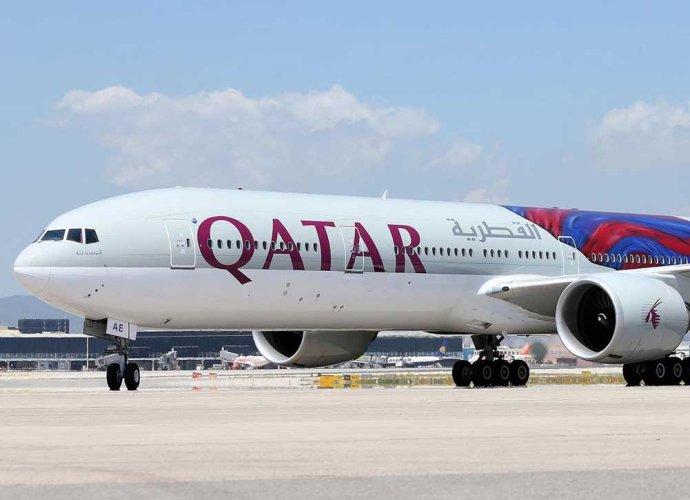
Qatar Airways plans to buy shares that RwandAir is in the process of selling, the succession of the deal is expected to shake up the country’s aviation industry. Aviation experts say by Qatar buying shares in RwandAir, it could enable it to solidify its presence in the African market given its current woes with its Gulf neighbours. Qatar Airways was banned from flying over Saudi Arabia, the United Arab Emirates. since mid -2017 it was also banned in Bahrain due to a dispute between it and the Gulf states. Therefore, buying a stake in the RwandAir will support its expansion…
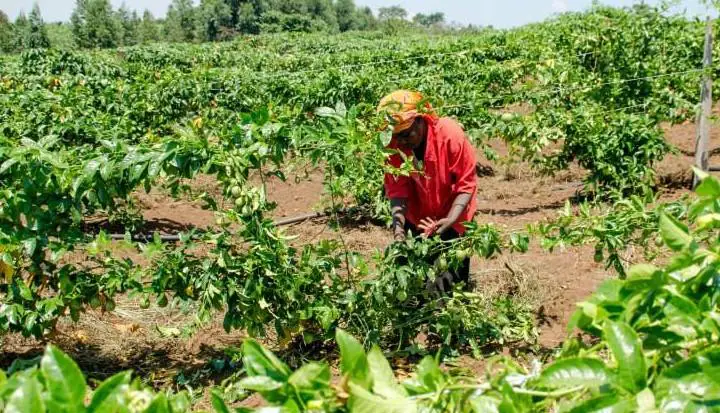
Uganda spends less money in the agriculture sector than any other East African country a World Bank report on public expenditure review shows. The report shows that Uganda spends only 3.6 per cent of its budget on agriculture, which is the lowest in the region. Rwanda spends 5.3 per cent more on agriculture than any other country in the East African region. Kenya follows closely spending spends 5.2 per cent of its budget on agriculture while Tanzania spends 3.9 per cent, which is slightly above what Uganda spends. Agriculture in Uganda remains the largest employer with 68 per cent of…