
Trending
- Who got the money and who didn’t in Africa’s 2025 race for foreign direct investments?
- AI’s Dual Capacity and a Strategic Opportunity for African Peace and Security
- How African economies dealt with the 2025 debt maturity wall
- Africa’s Green Economy Summit 2026 readies pipeline of investment-ready green ventures
- East Africa banks on youth-led innovation to transform food systems sector
- The Washington Accords and Rwanda DRC Peace Deal
- Binance Junior, a crypto savings account targeting children and teens debuts in Africa
- African Union Agenda 2063 and the Conflicts Threatening “The Africa We Want”


In their letter dated June 26th, 2024, High Commissioners and Ambassadors from 10 countries expressed their dissatisfaction with how the Tanzania Revenue Authority (TRA)…
Climate change will push 132 million people into poverty by…
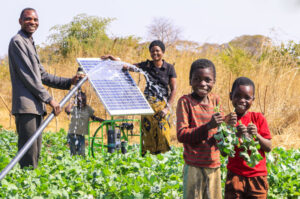
Imaginative agriculture concepts are essential to sustainable food production…

It further explains that the RCF disbursement will continue to help address Tanzania’s urgent balance of payment needs arising from the Covid-19 pandemic.
The money will also serve to provide Tanzania with concessional resources needed to take measures to mitigate the severe socio-economic impact of the pandemic.
Tanzania’s economy is heavily dependent on the tourism industry and as yet, the IMF cautions that travel services receipts and travel arrivals continue to remain below pre-pandemic levels.

Tanzania: The government, through the Central Bank of Tanzania has successfully kept the economy not…

In 2018, the global textile industry’s worth stood at approximately $920 billion. The global Textile Market Analysis of 2021 to 2028 anticipates that the market could reach $1,412.5 billion by 2028.
The market drivers include the rise in consumer awareness, e-commerce platforms to support sales, and the fast-changing fashion trends in the industry.
The CEO of Basra Textiles, Ahmed Othmad, said on January 11 that the factory at Chunguni area in Zanzibar was targeting to export to markets across East and Central Africa.
Detailing on the source of the funding and its uses, the president said the US$100 million (over TShs230 billion) is from the International Monetary Fund (IMF) as a loan to Tanzania, and another US$100 million is for the Isles.
“The IMF fund will be directed to health, education, water and power sectors, as well as economically empowering wananchi (citizens/the public),” local media quoted President Mwinyi.
The president went ahead and gave a very detailed explanation of the planned use of the funding detailing each sector and the allocated amount and then he got to the part about funding to support businesses.
Tanzania’s cement demand is estimated to have clocked 5.9Mt and is growing fast. Maweni Limestone…
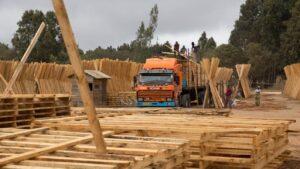
To discourage the use of firewood and charcoal, the European Union (EU) has committed to fund renewable energy solutions specifically designed to set up and support a sustainable cooking solution program.
EU Head of Delegation to Tanzania, Ambassador Manfredo Fanti announced the EU led program late last year in the capital, Dodoma. At the launch, the diplomat said the initiative is part of the EU’s efforts to mitigate climate change through the use of renewable energy solutions for cooking.
However, what is interesting here is that increase in the use of firewood and charcoal is not in rural Tanzania but in the urban centres.