
Trending
- Africa’s Green Economy Summit 2026 readies pipeline of investment-ready green ventures
- East Africa banks on youth-led innovation to transform food systems sector
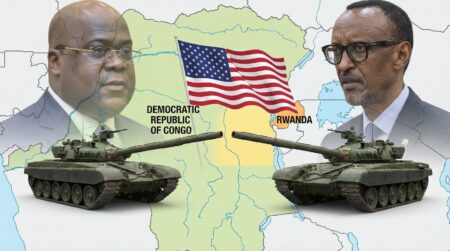
- The Washington Accords and Rwanda DRC Peace Deal
- Binance Junior, a crypto savings account targeting children and teens debuts in Africa
- African Union Agenda 2063 and the Conflicts Threatening “The Africa We Want”
- New HIV prevention drug is out — can ravaged African nations afford to miss it?
- From banking to supply chains, here’s how blockchain is powering lives across Africa
- Modern railways system sparks fresh drive in Tanzania’s economic ambitions


Through blockchain ecosystem, millions of Africans are getting the opportunity to save funds, receive payments, and even access credit using nothing more than a…
Traditional grid extension to drive energy access is rarely feasible…
Universal energy access must be the anchor of Africa’s climate…


The promises made to uplift Africa and its people have failed to provide equitable justice.…
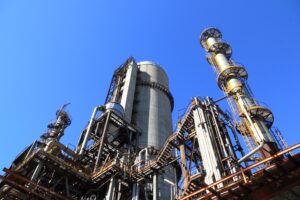
Africa’s oil and gas industry looks flat in the final quarter of 2023. That is, as AEC details in its newly released 2024 African Energy Outlook, capital expenditure (CAPEX) on upstream projects is still rising, but it is on a relatively slow upward trajectory — and it is moving up more slowly than we had predicted last year because of changes in the timeline of certain African upstream projects.
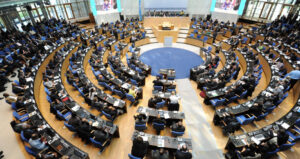
The Conference of the Parties (COP) to the United Nations Framework Convention on Climate Change (UNFCCC) represents an important international forum for countries to discuss and address global climate change issues. However, these conferences have tended to be high-level and process-based, and COP 27 was no exception. – negotiations took place, and some of the highlights included the historic establishment of the loss and damage fund, which was seen as setting a precedent for climate justice.
However, agreements on other matters, such as phasing out fossil fuels and setting emission peak periods, were not achieved. For African countries, COP 28 marks an important pivot point around funding, just transition, and the Nairobi Declaration. There will be a push for realisations on commitments made and innovative funding mechanisms to drive accelerated climate action now and beyond.
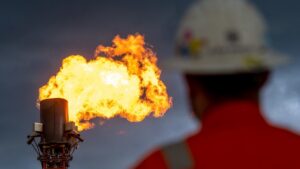
There are formidable challenges faced by the oil and gas industry across Africa, the Middle East and Asia (AMEA) regions, but perhaps the most pressing is the need for environmentally sustainable power solutions.
Currently, flaring poses a significant threat to the sector across its environmental impact and the cost to the company. Around 139 billion cubic metres (bcm) of natural gas are flared annually, releasing carbon dioxide (CO2), methane and black soot that affect climate change and human health. It also directly influences the sector’s ability to achieve Net Zero and the transformative target of eliminating non-emergency flaring by 2030.
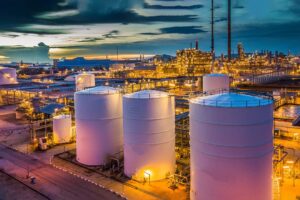
The African Energy Chamber predicts that oil markets in 2024 will stay balanced and somewhat…
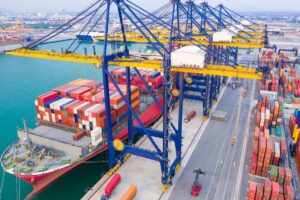
A single window system allows parties involved in trade and transport to lodge standardized information…