

Trending
- Africa’s Green Economy Summit 2026 readies pipeline of investment-ready green ventures
- East Africa banks on youth-led innovation to transform food systems sector
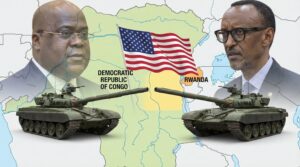
- The Washington Accords and Rwanda DRC Peace Deal
- Binance Junior, a crypto savings account targeting children and teens debuts in Africa
- African Union Agenda 2063 and the Conflicts Threatening “The Africa We Want”
- New HIV prevention drug is out — can ravaged African nations afford to miss it?
- From banking to supply chains, here’s how blockchain is powering lives across Africa
- Modern railways system sparks fresh drive in Tanzania’s economic ambitions


Browsing: African Development Bank (AfDB)
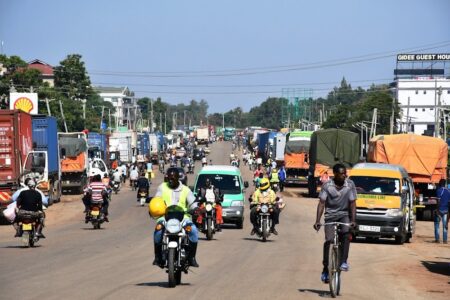
Kenya’s President William Ruto says the free movement was necessary for sustainable growth in the Horn of Africa. Dr Ruto…
Africa’s green bonds market is growing rapidly as the continent increases issuances to power transition to green energy. The Green…

The project is billed to help African countries play catchup as the continent is still relatively behind when it comes…
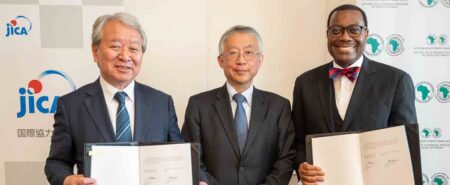
African Development Bank tells Japanese investors putting their money in the continent is profitable. Japan’s Foreign Direct Investments in Africa…
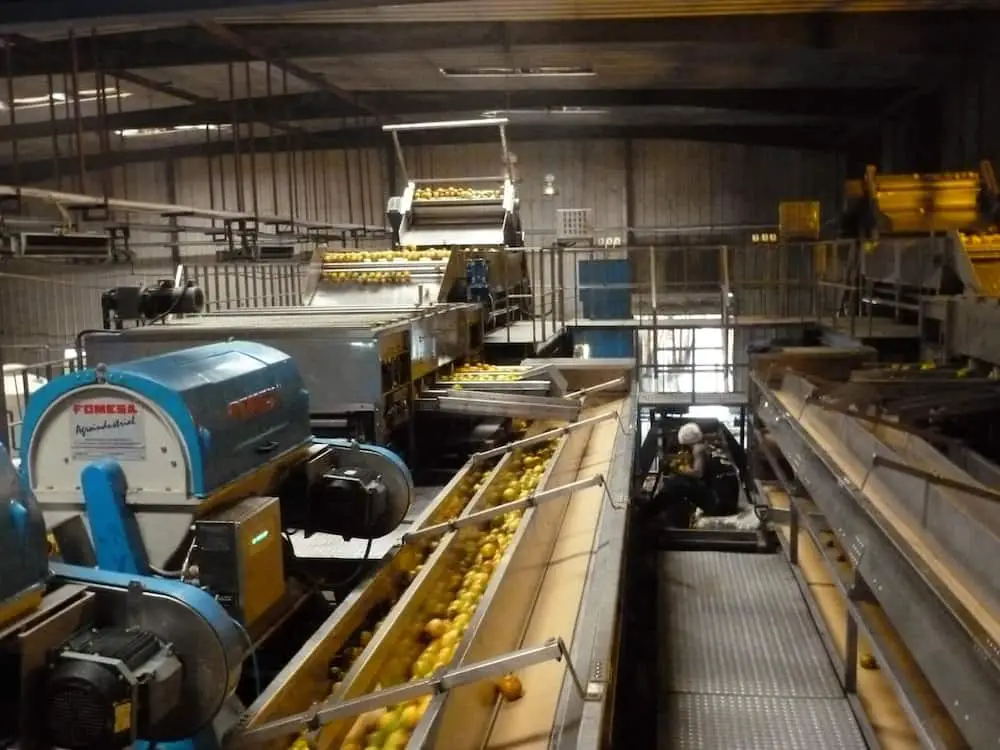
Ghana competes in the global economy primarily using natural resources. Other than the usual exports of cocoa, gold, lumber, and crude oil, Ghana has a competitive advantage in numerous product categories. Increasing the proportion of high-income commodities in the export basket hastens economic transition.
The opportunity is providing better, economically advantageous items to regional and worldwide markets. Cocoa processing, wood processing, aluminium products, palm oil, food and agro-processing, and fish processing are examples of manufacturing sub-sectors that fit these two requirements.
Manufacturing subsectors that capture considerable proportions of manufacturing value-added, such as food and drinks, chemicals, and textiles, have significant technology, knowledge, and skills inherent in them. These assets can be used to produce additional goods within the sub-sector or even outside of it. It is also easier to go up the value chain after you have mastered relevant technologies and markets.
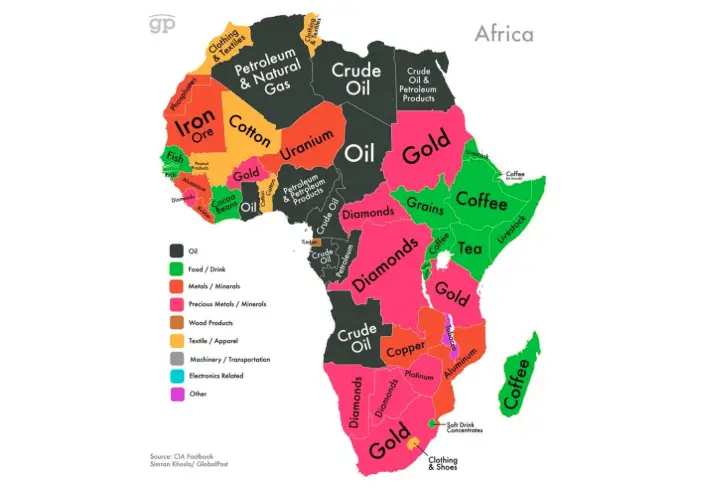
One of the features of many countries that are endowed with abundant natural resources is that they save less than what is expected, considering the rents obtained from extracting and selling natural resources.
If the countries saved more, they would grow at a sustainable and faster rate. To gain a better understanding of sustainable development, it is useful to examine the concept of genuine saving.
Genuine saving is defined as public and private saving at home and abroad, net of depreciation, plus current spending on education to capture changes in intangible human capital, minus depletion of natural exhaustible and renewable resources, minus damage of stock pollutants (CO2 and particulate matter).
There are increasingly more and more ‘outbreaks’ of non-communicable diseases in Africa and more so in sub-Saharan Africa. These lifestyle…
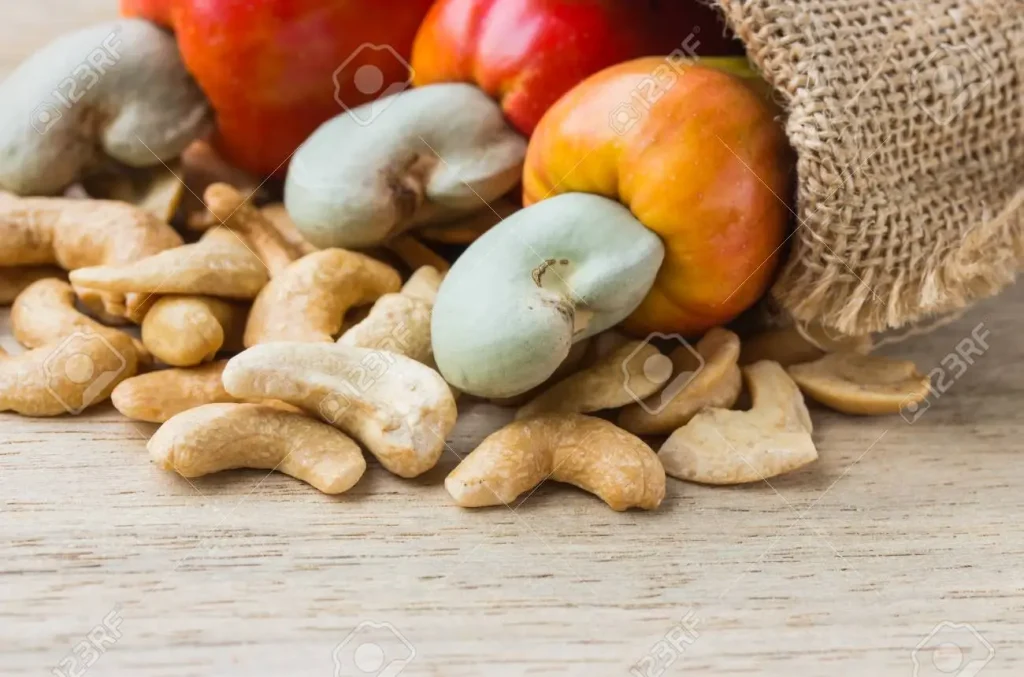
On the backdrop of increasing global demand for cashew nuts, the government of Tanzania is now subsidizing agro-inputs for farmers…
Fuel price rise across EAC National Assembly hears public outcry on the rising cost of living Governments working on solutions…
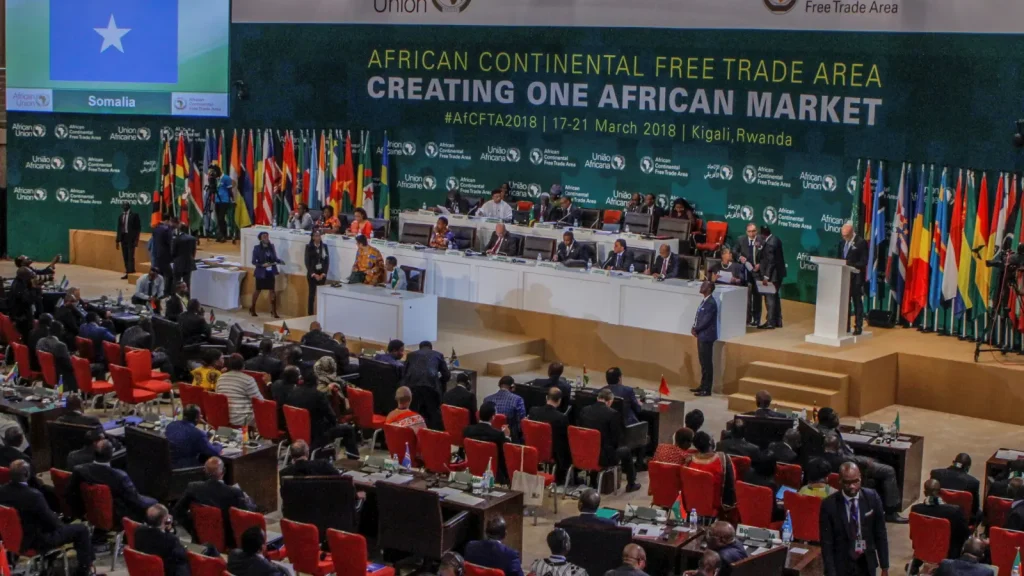
AfCFTA testing new tool to measure ease of trade among African countries Early test results indicate major gender parity issues…