


Trending
- Africa’s Green Economy Summit 2026 readies pipeline of investment-ready green ventures
- East Africa banks on youth-led innovation to transform food systems sector
- The Washington Accords and Rwanda DRC Peace Deal
- Binance Junior, a crypto savings account targeting children and teens debuts in Africa
- African Union Agenda 2063 and the Conflicts Threatening “The Africa We Want”
- New HIV prevention drug is out — can ravaged African nations afford to miss it?
- From banking to supply chains, here’s how blockchain is powering lives across Africa
- Modern railways system sparks fresh drive in Tanzania’s economic ambitions


Browsing: Monetary Policy

Central banks across Africa weighing interest rates in the next three weeks are poised to lower them, cautious that the…
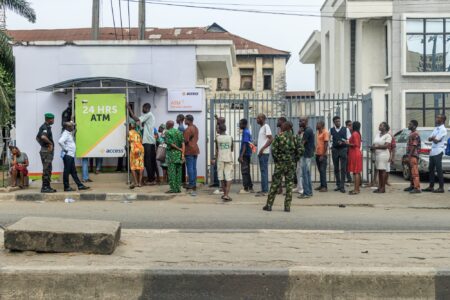
The Central Bank of Nigeria has decided to increase the minimum capital requirement for lenders to bolster the country’s economy.…
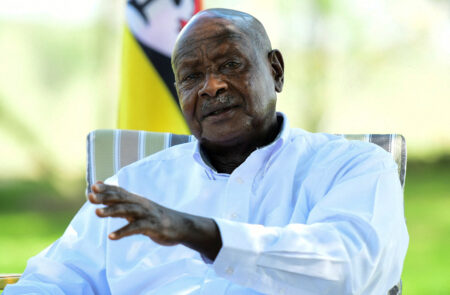
The IMF has issued Uganda $120 million as part of its Extended Credit Facility (ECF) Arrangement to aid recovery. Total…

Non-performing loans in Kenya surged to a 16-year high of 15 per cent in August 2023. The Kenya Bankers Association…
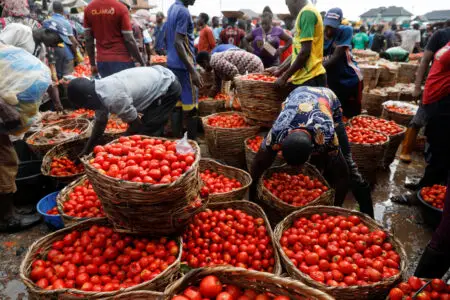
Nigeria’s inflation rate has remained high for the past 9 years, way before COVID-19 and the disruptions it imposed. Experts…

In the last 20 years, Africa’s external debt has grown fivefold to about $700 billion. According to Chatham House, a policy centre in London, Chinese lenders account for about 12 per cent of that amount. As of November 2022, the International Monetary Fund (IMF) and the World Bank considered 22 low-income African countries to either be in debt distress or facing potential external debt distress.

The Reserve Bank of Zimbabwe last month began to loosen the tight monetary policy it had in place over the…
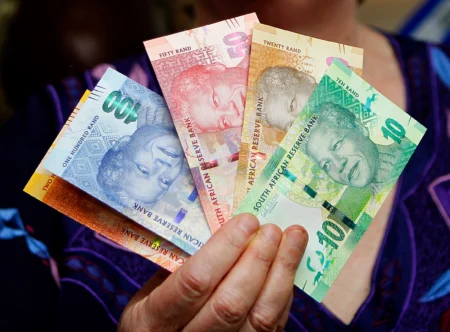
The Kwacha is the official currency of Zambia. The country’s foreign exchange rate remained unsettled for a very long time. However, Zambia has made substantial steps in recent years to strengthen its currency through economic measures and foreign support.
Zambia has set an example for other African nations by efficiently controlling its currency. While facing numerous economic issues, such as a drop in copper prices and a large debt, the Kwacha exchange rate has remained reasonably constant.
Namibia has made progress on structural changes to foster economic diversification and boost productivity. Improving the business environment, promoting access to capital, improving governance, and decreasing skills mismatches are crucial for stimulating growth and achieving long-term debt sustainability.
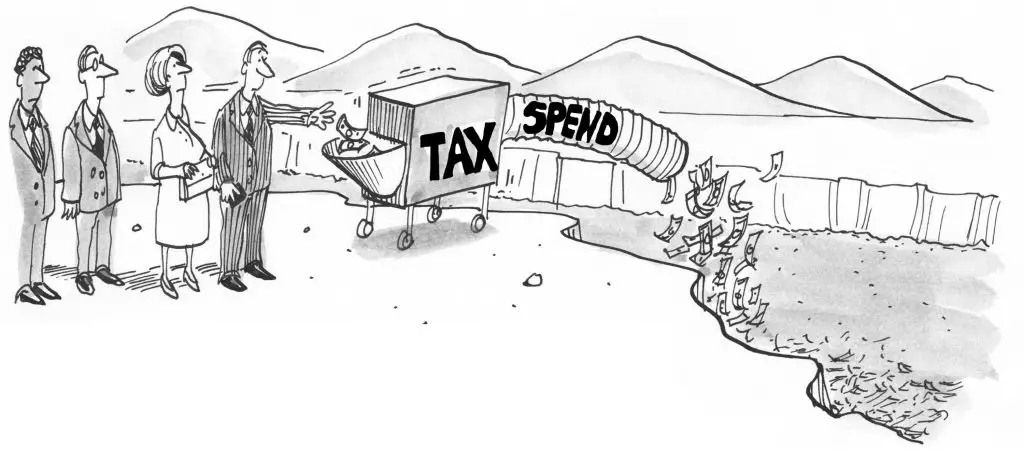
Countries must continue to work to mitigate their vulnerabilities over time. This involves minimizing balance-sheet misalignments, establishing money and foreign exchange markets, and lowering exchange rate passthrough by increasing monetary policy credibility.
However, in the short term—while vulnerabilities remain high—the use of extra instruments may assist relieve short-term policy trade-offs when certain shocks occur. In particular, foreign exchange intervention, macroprudential policy measures, and capital flow controls may help increase monetary and fiscal policy autonomy, promote financial and price stability, and minimize output volatility if reserves are enough and these instruments are available.