


Trending
- Africa’s Green Economy Summit 2026 readies pipeline of investment-ready green ventures
- East Africa banks on youth-led innovation to transform food systems sector
- The Washington Accords and Rwanda DRC Peace Deal
- Binance Junior, a crypto savings account targeting children and teens debuts in Africa
- African Union Agenda 2063 and the Conflicts Threatening “The Africa We Want”
- New HIV prevention drug is out — can ravaged African nations afford to miss it?
- From banking to supply chains, here’s how blockchain is powering lives across Africa
- Modern railways system sparks fresh drive in Tanzania’s economic ambitions


Browsing: Nairobi

In the past two years, short-term rentals in Nairobi have been the new trend. Hospitality has bounced back remarkably after…

East African cities dominate the top five performing cities, including Kampala, Antananarivo, Mwanza, and Dar Es Salaam. While Sub-Saharan cities…

Kenya Airways Cargo introduced a pair of Boeing 737-800 converted freighters two months ago to expand its cargo capacity. Kenya…
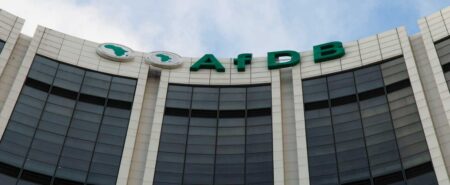
An ongoing diplomatic row in Addis Ababa has prompted the AfDB to withdraw its international expatriates from Ethiopia. At the…

Nairobi, Kenya, will be the site of the highly anticipated Annual Conference of the African Securities Exchanges Association (ASEA) from…

International delegates have gathered in Nairobi, Kenya, hoping to make further progress towards a landmark treaty to address global plastic pollution. The meeting is happening at the UNEP headquarters as negotiators seek to solve the scourge of pollution resulting from more than 430 million metric tonnes of plastic waste produced annually.
More than 2,000 delegates have attended the global plastics summit. They include representatives from environmental organisations, the oil and gas industry, and civil society groups. The delegates in Nairobi will mull two options: a wide-ranging strategy targeting plastics production or a limited approach focussed on waste management.

Bangkok-based hotel chain Dusit International has announced plans to open a hotel-serviced apartment in Westlands Nairobi in 2023 dubbed ‘Dusit…
Kenya has much of what it takes to become a globally competitive tourist destination. With its modern infrastructure, the country has the capacity to receive many more tourists. The favourable investment climate means any increase in demand would easily trigger new investments in accommodation, attractions, and tourist services.
Demand is, however, the most crucial factor here, and with the current visa regime, Kenya faces an unnecessary barrier that limits the growth potential of a key engine of the country’s economy.
An easing of visa policies could be implemented in a matter of days and would provide an immediate boost to Kenya’s tourism competitiveness. Bringing back visa-on-arrival would be a major improvement. Visa-free entry for citizens of the main source markets even more so.
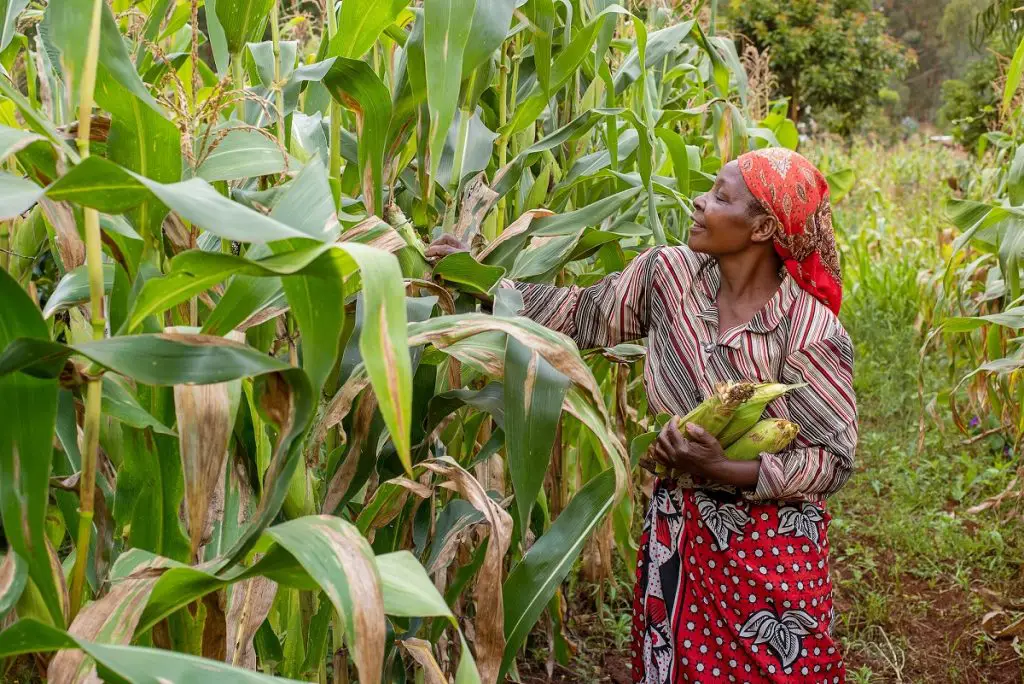
As far as where to put money is concerned, Kenya has numerous investment sectors with tremendous potential. The prospective stability and economic recovery expected under the new administration will no doubt make way for the realization of huge money investments in the countries.

Ruto’s bottom-up economics plan, as described in his manifesto, appealed to the electorate all over the country. The high cost of living and the rising commodity prices have mainly caused despair and hopelessness among those at the bottom of the economic pyramid.
Ruto’s promises, if realised, might give significant relief from poverty and insecurity, notwithstanding the current catastrophic drought, weak institutions, and worldwide economic instability.
Ruto’s victory is thrilling for the most vulnerable members of Kenyan society. Still, if the incoming president fails to deliver on his campaign promises, political confidence will be difficult to regain, and social unrest will likely occur in the long term.