


Trending
- Africa’s Green Economy Summit 2026 readies pipeline of investment-ready green ventures
- East Africa banks on youth-led innovation to transform food systems sector
- The Washington Accords and Rwanda DRC Peace Deal
- Binance Junior, a crypto savings account targeting children and teens debuts in Africa
- African Union Agenda 2063 and the Conflicts Threatening “The Africa We Want”
- New HIV prevention drug is out — can ravaged African nations afford to miss it?
- From banking to supply chains, here’s how blockchain is powering lives across Africa
- Modern railways system sparks fresh drive in Tanzania’s economic ambitions


Browsing: Non-Fungible Tokens
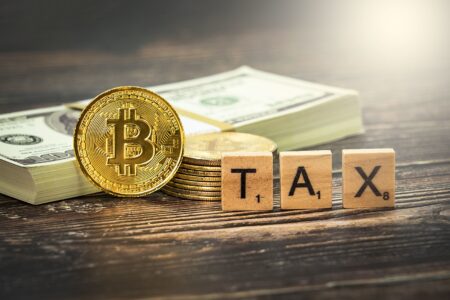
Digital assets have become increasingly important in business and commerce, given their growing adoption by institutions, businesses, and individuals globally. Thus, the impact of crypto assets on tax systems has become all but impossible to ignore. As the number of transactions involving crypto assets continues to rise, so does the need for governments to establish a clear policy on taxing such transactions. In such a context, the absence of a deliberate policy position is a policy decision with consequences for tax systems.
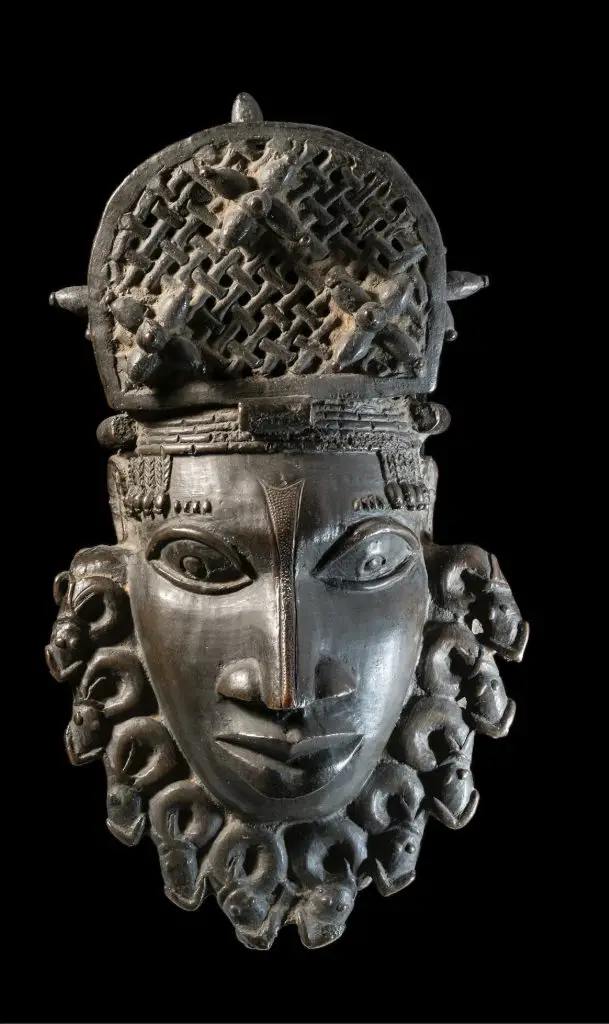
Chidi hopes that activism will eventually see European museums return all stolen artwork to Africa. However, he dreams of building…
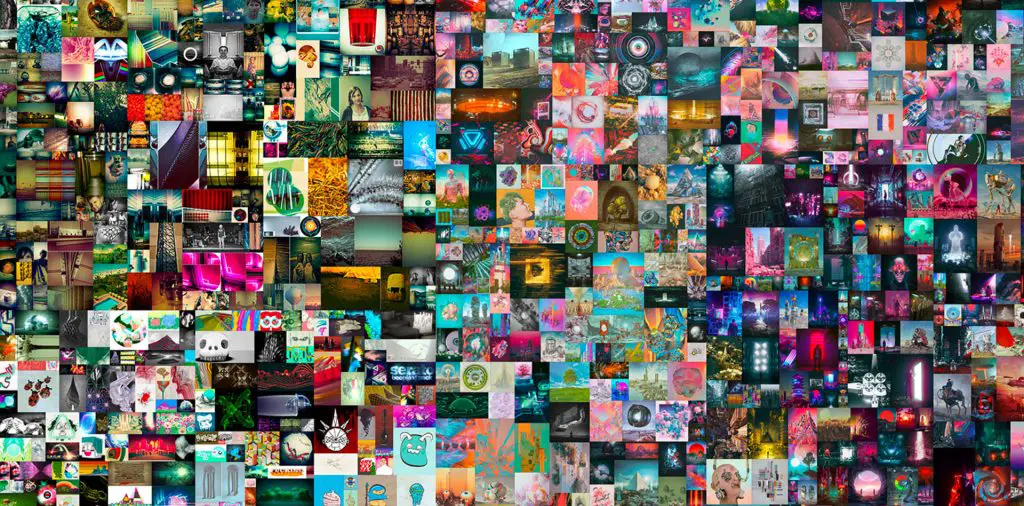
In 2021, the NFT market generated more than US$25 billion in trading volume, and 2022 appears to generate more figures…
Non-Fungible Tokens (NFTs) are the new opportunity for anyone with anything they can monetise and an access to the internet to reap the benefits of minting money on the World Wide Web.
NFTs are “One of a kind” digital assets that can be traded like any other piece of property, but NFTs do not exist in any tangible form. It is possible to think of virtual or real assets as tokens that may be exchanged for tokens.
Therefore, an NFT is a digital title for a piece of content that may be sold on auction sites but is non-returnable because it is unique and irreplaceable. Because of this, its value fluctuates and it is useless as a means of exchange. Cryptocurrency and blockchain are the foundations of NFTs.