


Trending
- Africa’s Green Economy Summit 2026 readies pipeline of investment-ready green ventures
- East Africa banks on youth-led innovation to transform food systems sector
- The Washington Accords and Rwanda DRC Peace Deal
- Binance Junior, a crypto savings account targeting children and teens debuts in Africa
- African Union Agenda 2063 and the Conflicts Threatening “The Africa We Want”
- New HIV prevention drug is out — can ravaged African nations afford to miss it?
- From banking to supply chains, here’s how blockchain is powering lives across Africa
- Modern railways system sparks fresh drive in Tanzania’s economic ambitions


Browsing: Tourism
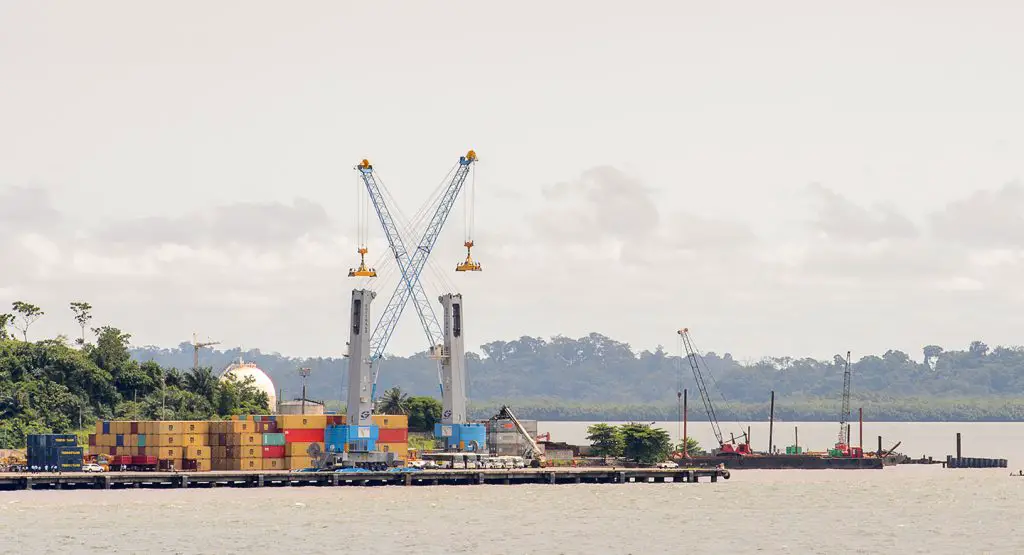
The World Bank estimated the value added in Gabon’s agriculture, forestry, and fishing sectors to be 6.404 per cent of GDP in 2020, a good sign to invest in Gabon.
Gabon imports the bulk of its cereal requirements through commercial channels, with cereal imports accounting for approximately 90 per cent of the total cereal utilization. Imports of cereals in 2021 were estimated at a slightly below-average level of 171,000 tons, including about 110,000 tons of wheat and 55,000 tons of rice.
Gabon is facing escalating agricultural food prices, especially wheat since the war in Ukraine began in February 2022. To keep domestic wheat prices below 25,000 CFA, the government formally budgeted a subsidy of 4,700 CFA (US$7.55) per 50-kg bag to the country’s wheat importers, led by France’s Société Meunière et Avicole du Gabon company.
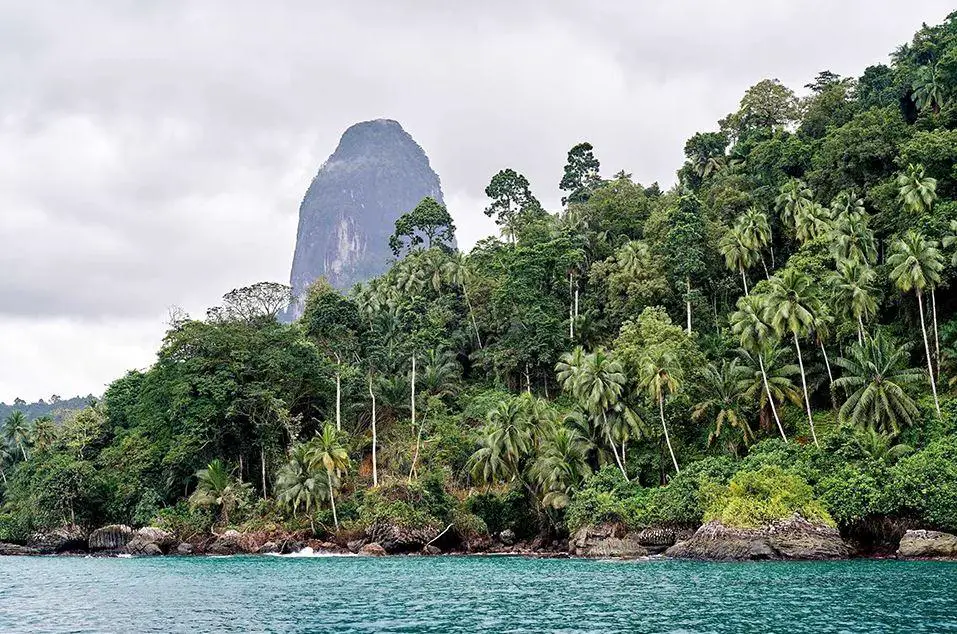
Economically the World Bank categorizes São Tomé and Príncipe as a lower middle-income state with what it calls a fragile economy.
This is not a mischaracterization as the country relies heavily on the tourism sector, making it much more susceptible to external and exogenous shocks. This assertion is confirmed by the African Development Bank, which reported in its economic outlook on São Tomé and Príncipe that the country’s economy shrank by an estimated 6.4% in 2020 after growing by 2.2% in 2018 and 1.3% in 2019.
Will Ghana’s stance on value addition resonate in Africa?
For the first time in a decade, the contraction in output is attributed to a sharp decline in tourism and service sectors, which were severely hurt by weak external and domestic demand and COVID–19 containment measures.
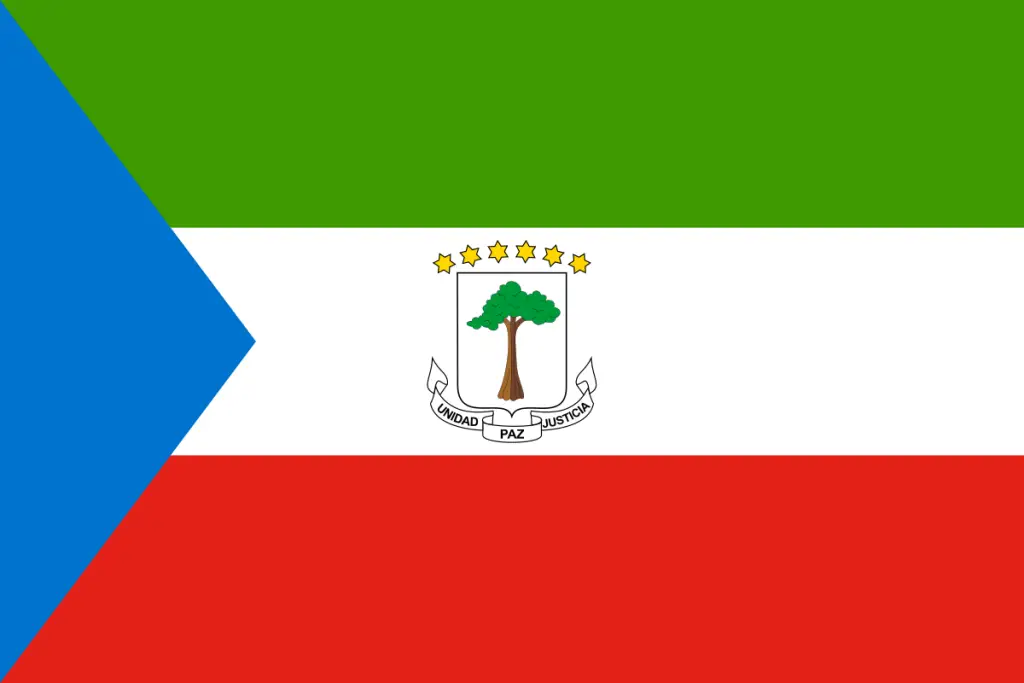
Trading economics’ global macro models and experts’ forecasts indicate Equatorial Guinea’s GDP could reach $12.6 billion by the end of 2022. As such, the long-term trend for the GDP of Equatorial Guinea is anticipated to be about $13 billion by 2023.
Historically, the economy of Equatorial Guinea relied on three commodities: cocoa, coffee, and lumber. However, the discovery and exploitation of petroleum and natural gas in the 1980s radically altered the country’s economic character. As a result, more than four-fifths of Equatorial Guinea’s GDP currently derives from petroleum exports. Nevertheless, the majority of people’s level of living has not changed considerably, and farming remains the predominant source of income.
Nevertheless, the Equatoguinean domestic economy is small, with an estimated population of 1.2 million, despite the country’s membership in the Central African Monetary and Economic Union (CEMAC) sub-region, which comprises more than 50 million people. Notably, the region has a central bank and a shared currency linked to the euro: the CFA franc.

According to Frontiers, AI has been recognized to have a wide potential to reduce human workload or increase human capabilities in complex scenarios, but today it is evident that AI also has an important role in transforming our life by promoting more efficient existing services or new services.
AI is already contributing to a large spectrum of applications in Africa’s aviation and air traffic systems, providing support to its managers (airlines/airport managers, air traffic management) and operators (pilots, air traffic controllers, airport operators, flow controllers).
Governments are focusing on contactless travellers’ experience hence there have been innovations in biometric authentication at airports. For instance, Kenya ruled out paper verification of COVID-19 test results and vaccination certificates upon arrival, sparking local airlines’ adoption of electronic verification processes.
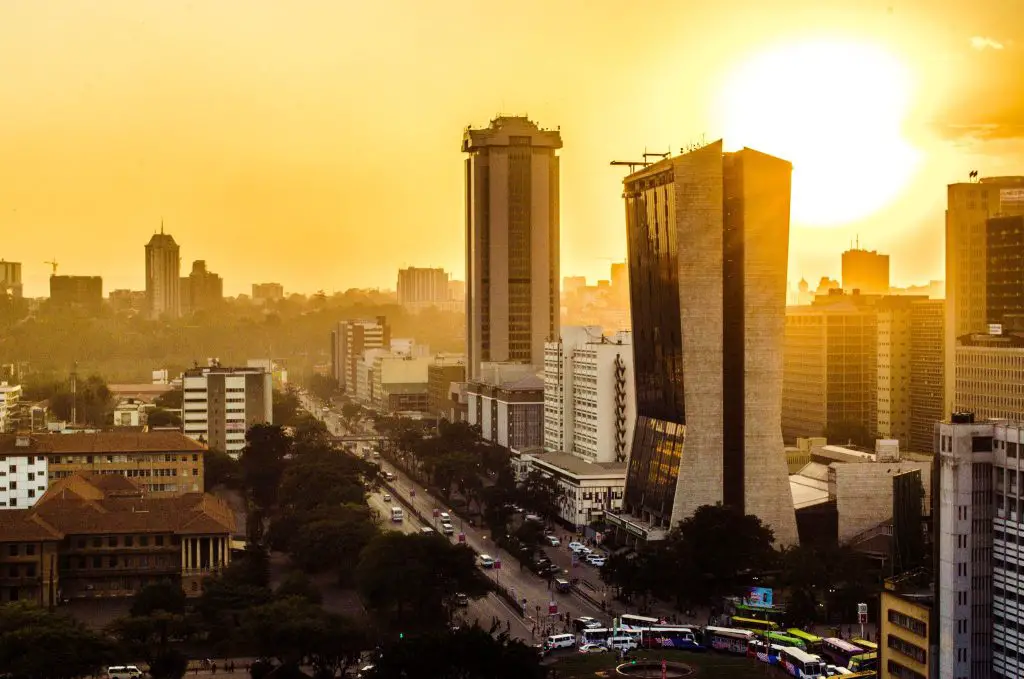
East Africa’s economy is booming, with yearly GDP growth trending upward. The region’s GDP was expected to grow by roughly 5 per cent by 2020. Despite the Covid-19 epidemic, the region increased by 3 per cent in 2021 and is expected to increase to 5 per cent in 2022.

The hospitality sector has been challenged to adopt innovative tech-based solutions to grow and survive the adverse impact of Covid-19…

Nearly 3 million signatures have been gathered to rally against Maasai eviction by a web-based movement, Avaaz Ngorongoro is one…
Tanzania’s cement demand is estimated to have clocked 5.9Mt and is growing fast. Maweni Limestone Ltd will be China’s first…
Rwanda has gone a step further and promoted its tourism attractions on the world stage, through sports via its ‘Visit Rwanda’ tagline on England’s Premium League football clubs.
The EAC core objectives compel the countries to bring collective efforts to promote their industry and share benefits as they come. So far, the EAC treaty (under Article 115) has shown partner states can undertake and develop collective and coordinated approach to the promotion and marketing of quality tourism into and within the community (EAC).
Hence, the entire concept of coordinating policies in the tourism industry to establish a framework of cooperation is vital, as it will promote the equitable manner of benefit-sharing.

The number of tourists arriving in Tanzania has increased an impressive 52% between January and November 2021 and with it,…