

Trending
- AI’s Dual Capacity and a Strategic Opportunity for African Peace and Security
- How African economies dealt with the 2025 debt maturity wall
- Africa’s Green Economy Summit 2026 readies pipeline of investment-ready green ventures
- East Africa banks on youth-led innovation to transform food systems sector
- The Washington Accords and Rwanda DRC Peace Deal
- Binance Junior, a crypto savings account targeting children and teens debuts in Africa
- African Union Agenda 2063 and the Conflicts Threatening “The Africa We Want”
- New HIV prevention drug is out — can ravaged African nations afford to miss it?


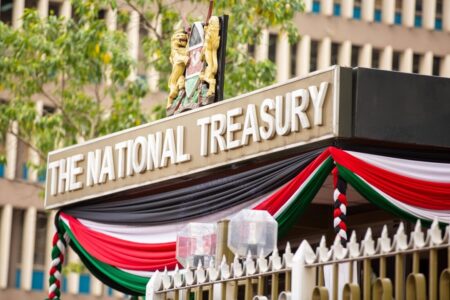
Kenya’s forex reserves dipped to $6.2 billion on May 19, an eight-year low, before a slight improvement to $6.4 billion on May 26. At…
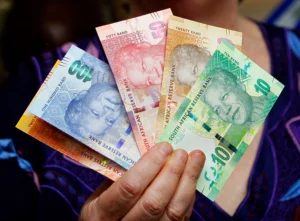
According to SWIFT, African regions with strong integration saw increased use of local currencies and decreased use of hard currencies such as the US dollar. For instance, the use of the West African franc by the eight countries in the West African Economic and Monetary Union has overtaken the South African rand and the British West African pound.
This implies that boosting the use of regional currencies will shield the African trade market from adverse global conditions associated with the performance of US dollars. However, further regional coordination remains necessary to build a continental payment system that encourages the use of local correspondent banks and local currencies. These moves can help in managing currency depreciation to boost African trade finance.
Into a menacing economic quick sand African economies have been…
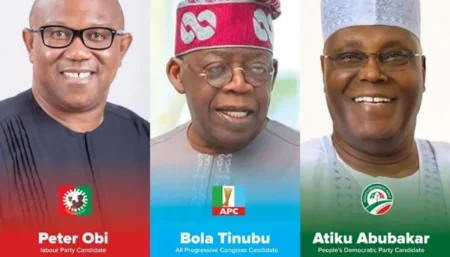



In this case, investing in data is crucial for developing economies. Hence—over time—different organisations such as the World Bank (WB) and the World Economic Forum (WEF) have rallied for the utilization of data and promoting data democratization for effective development planning.
The value of data is vast and elongates further especially in emerging economies. According to a January 2021 publication by WEF, there are more things to explore when it comes to data and Africa has been painted as one of the interesting places on the planet with sufficient opportunities.

The late Magufuli is celebrated and mourned across the East African Community which has also joined hands with Tanzania to remember his legacy—which extended from his fight against corruption and the misuse of public resources to his diplomatic relations, forged across the landscape through several regional communities—where on numerous occasions he had declared that ‘we are unified as one’.
Magufuli was a stern advocate of hard work for economic excellence. His voice on this matter was as strong as his willpower. Throughout his unfinished tenure, he had demonstrated how Tanzania can transform its natural wealth and utilize domestic tax collections to fuel development projects.
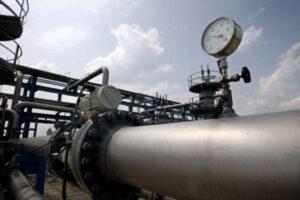
The oil and gas industry in Africa is yet another profitable sector that can transform the energy and revenue generation of gas-endowed nations and contribute greatly to their economic development.
According to the global network firm PriceWaterhouseCoopers (PwC), by the end of 2017, Africa had nearly 487.8 trillion cubic feet (Tcf) of proven gas reserves, comprising 7.1 per cent of global proven reserves.
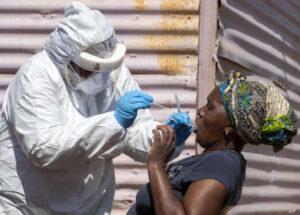
The pandemic has shown the globe that more is needed to fortify our systems, as nearly 95 million people have contracted the virus and more than two million people have succumbed to it, while millions face the economic shocks of the virus, particularly those located in developing economies.
A World Economic Forum (WEF) publication which is part of The Davos Agenda (a virtual global leaders’ meeting on sustaining an inclusive and cohesive future) noted that the pandemic has exposed several threats to the world.

The World Bank (WB)—one of the world’s largest sources of funding and knowledge for the developing sphere published its Global Economic Prospect report in January 2021.
The report zoomed in on the prospects of the global economy and Africa, displaying how the region remains pinned by the shocks of COVID-19 unless sound policy changes and strategic investment-enhancing reforms are made.
On the bright side, the global economy is expected to expand by 4 per cent in 2021—this is dependent on the progression of COVID-19 vaccine provision throughout the year.
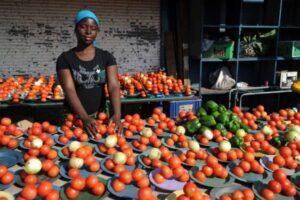
The prosperous future of Africa will be the fruit of both men and women. In…