


Trending
- Africa’s Green Economy Summit 2026 readies pipeline of investment-ready green ventures
- East Africa banks on youth-led innovation to transform food systems sector
- The Washington Accords and Rwanda DRC Peace Deal
- Binance Junior, a crypto savings account targeting children and teens debuts in Africa
- African Union Agenda 2063 and the Conflicts Threatening “The Africa We Want”
- New HIV prevention drug is out — can ravaged African nations afford to miss it?
- From banking to supply chains, here’s how blockchain is powering lives across Africa
- Modern railways system sparks fresh drive in Tanzania’s economic ambitions


Browsing: Africa Beyond Covid-19
A favourable balance of payment translates to good exchange rates for the shilling against the dollar. A strong shilling means more value per shilling, allowing the country to make even larger purchases or investments.
Another aspect is the fact that a decrease in the oil price should translate to similar, if not multiple decreases in the cost of doing business and even the cost of living. This is because the cost of transportation is expected to fall, and with it, the cost of the goods being delivered is another gain for Africa (where borders were not closed during that time).
Also, in economic terms, there is a difference between an increase or decrease and rise or fall in price. An increase or decrease in price means a short-term price hike or price drop, which is what we expected to see during the period of oil price increase/decrease.
On the other hand, rise/fall in price refers to persistent increase/decrease over a prolonged period. When this happens, we see sustained inflation or deflation, that is, the general increase or decrease in the price of goods and services over time.
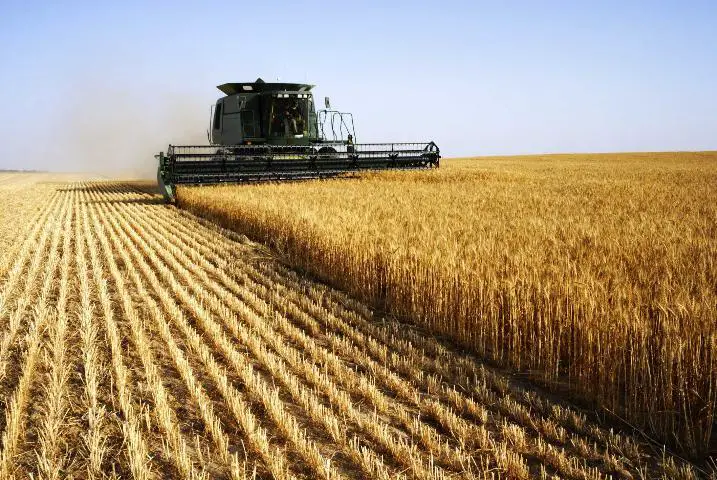
Dangote also plans to launch an oil refinery that would produce 650,000 barrels per day. Currently, the Dangote Group is the second-largest employer in Nigeria after the federal government, and a new plant is a tremendous opportunity to replace Russian fertilizer imports with African jobs that create warehousing, transport, and logistics infrastructure that help to reduce poverty.
Global wheat, sunflower, and oil crude prices have soared to unprecedented levels. Africa is heavily reliant on food imports from both countries, and the Continent is already experiencing price shocks and disruptions in the supply chain of these commodities.
Over the past decade, the Continent has seen growing demand for cereal crops, including wheat and sunflower, which has been mainly supported by imports than local production. Africa’s wheat imports increased by 68 per cent between 2007 to 2019, surging to 47 million tonnes.
The Board of Directors of the African Development Bank Group (www.AfDB.org) has approved a $20 million flexible loan to finance…
In a 2019 Human Development Index1 (HDI) issued by the UNDP, countries with low human development include Liberia, Guinea Bissau, Sudan, Niger,…
Any predictions regarding what economies are going to look like after this crisis, have to be taken at face value…

Global leaders have called for African governments to collaborate with the private sector in order to save the economy post…