


Trending
- Africa’s Green Economy Summit 2026 readies pipeline of investment-ready green ventures
- East Africa banks on youth-led innovation to transform food systems sector
- The Washington Accords and Rwanda DRC Peace Deal
- Binance Junior, a crypto savings account targeting children and teens debuts in Africa
- African Union Agenda 2063 and the Conflicts Threatening “The Africa We Want”
- New HIV prevention drug is out — can ravaged African nations afford to miss it?
- From banking to supply chains, here’s how blockchain is powering lives across Africa
- Modern railways system sparks fresh drive in Tanzania’s economic ambitions


Browsing: African Continental Free Trade Area
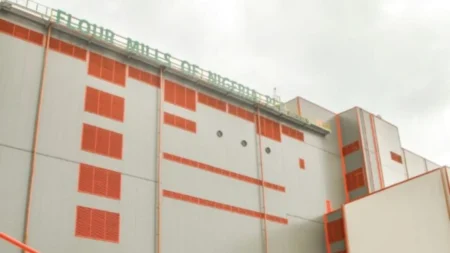
Flour Mills of Nigeria Plc plans to invest up to $1 billion over the next four years in an expansion…
Kenya’s tea exports increase on the reopening of the Tanzanian market Kenya had earlier in the month unveiled the China-Kenya…

Market size of Africa’s digital economy could reach $712 billion by 2050. In 2022 only 36 percent of the African…

Intra-African Payment Systems is expected to simplify trade among member states on the platform. In West Africa Nigeria, Ghana, Guinea,…

President Sisi says Africa’s vast natural resources and its agricultural, educational, and mineral potential should be leveraged to drive intra-African…
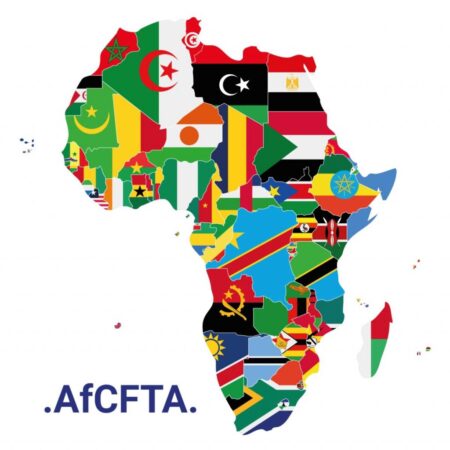
The African Continental Free Trade Area (AfCFTA) is now widely touted as the African Union’s (AU) most audacious project. The framework ties together the most significant number of member countries of any trade agreement since the World Trade Organisation (WTO) in 1995.
The AfCFTA had become topical even before its formal launch. Members of the business community eagerly awaited the full implementation of the AfCFTA. But two years since its formal launch, how far has the AfCFTA ushered in the ‘new era’ of African integration it promised?

An infusion of new investments and regulatory transformations is shaping financial interactions and digital payments in Africa. Africa’s digital payments…

African Development Bank tells Japanese investors putting their money in the continent is profitable. Japan’s Foreign Direct Investments in Africa…

The rising commodity prices, surging inflationary pressures, and the contracting global financial situation have risked African trade and production capabilities. Moreover, the rising threat of sovereign defaults poses a severe risk to the growth of African trade. Thus, African trade prospects remain unclear, considering the challenging global economic scenario.
The Covid-19, energy and food shortages have hit with the countries having minimal or no policy space to respond. As a result, African countries have fallen into a real risk of debt distress and even possibilities for sovereign debt default.
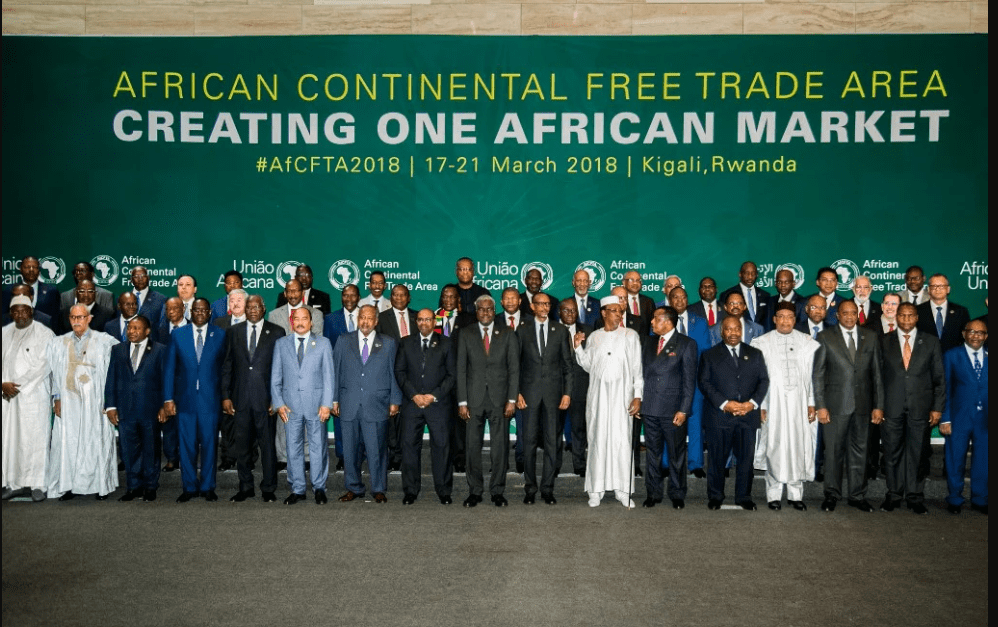
For historic reasons, bilateral and regional trade in Africa has been hampered by trade routes designed for export away from the continent rather than for facilitating intra-Africa trade. Obstacles include long distances, inadequate transport services, and inefficient institutional and transit regimes.
In many landlocked African countries, economic centres are located several hundred kilometres away from the closest seaport. Overcoming geographic constraints or the lack of economies of scale caused by small transportation volumes is key for all countries, particularly transit countries. A renewed focus on the efficiency of transport and logistics services is long overdue, given that many countries retain policies that favour closed, small, and inefficient services markets.
By committing to no new barriers to services trade during the progressive liberalization process, at least in the five priority sectors—business, communication, financial, transport, and tourism services, and with declining trade costs—the transport sector is bound to expand.