


Trending
- Africa’s Green Economy Summit 2026 readies pipeline of investment-ready green ventures
- East Africa banks on youth-led innovation to transform food systems sector
- The Washington Accords and Rwanda DRC Peace Deal
- Binance Junior, a crypto savings account targeting children and teens debuts in Africa
- African Union Agenda 2063 and the Conflicts Threatening “The Africa We Want”
- New HIV prevention drug is out — can ravaged African nations afford to miss it?
- From banking to supply chains, here’s how blockchain is powering lives across Africa
- Modern railways system sparks fresh drive in Tanzania’s economic ambitions


Browsing: African Development Bank (AfDB)

In September last year, the government started making quarterly token payments of $100,000 to each of the 16 Paris Club creditors as it sought ways to extinguish the mounting debt.
As of the end of May, Zimbabwe had made $8 million in token payments to multilateral banks and $4.8 million to the Paris Club creditors.
The article added that Zimbabwe is already defaulting on active loans from China, which is affecting the disbursement of funds for ongoing projects, the debt management office said in the report.

The African Development Bank (AfDB)’s Board of Directors has approved the establishment of the African Pharmaceutical Technology Foundation, a new ground-breaking institution that will significantly enhance Africa’s access to the technologies that underpin the manufacture of medicines, vaccines, and other pharmaceutical products.
Africa has great potential for drug discovery. The continent has natural resources, indigenous knowledge, and human capacity
AfDB Group President, Dr. Akinwumi Adesina said: “This is a great development for Africa. Africa must have a health defence system, which must include three major areas: revamping Africa’s pharmaceutical industry, building Africa’s vaccine manufacturing capacity, and building Africa’s quality healthcare infrastructure.”
The World Trade Organization and the World Health Organization, respectively, also welcomed and lauded the AfDB’s decision to establish the African Pharmaceutical Technology Foundation.

The widespread adoption of information and communication technology (ICT) by manufacturing companies the world-over is driving competition and permanently disrupting…
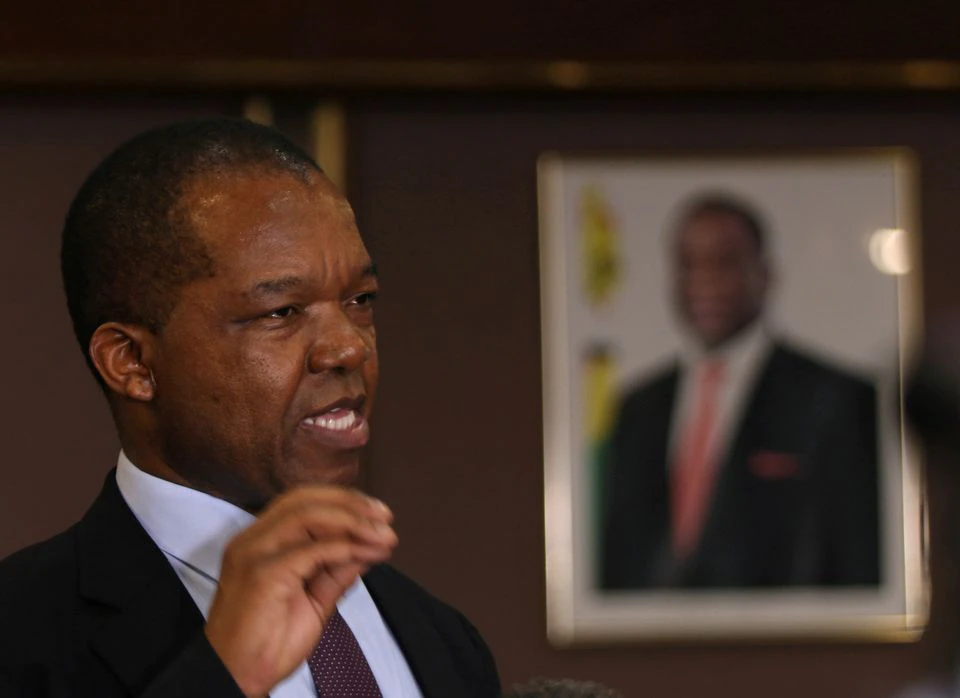
Zimbabwe’s Central Bank said the increase in its policy rate to 200 per cent from 80 per cent will take effect from July 1 after annual inflation hit almost 192 per cent this month.
The benchmark interest rate was last raised to 80 per cent in April from a previous 60 per cent.
“The committee noted that the increase in inflation was undermining consumer demand and confidence and that, if not controlled, it would reverse the significant economic gains achieved over the past two years,” central bank governor Dr. John Mangudya said.
The latest figures from the Zimbabwe National Statistics Agency (ZIMSTATS) showed Saturday that the country’s annual inflation rate reached 191 per cent in June. A new blow to the purchasing power of Zimbabweans, stoking fears of a return to the 2008 hyperinflation period where savings were wiped out.
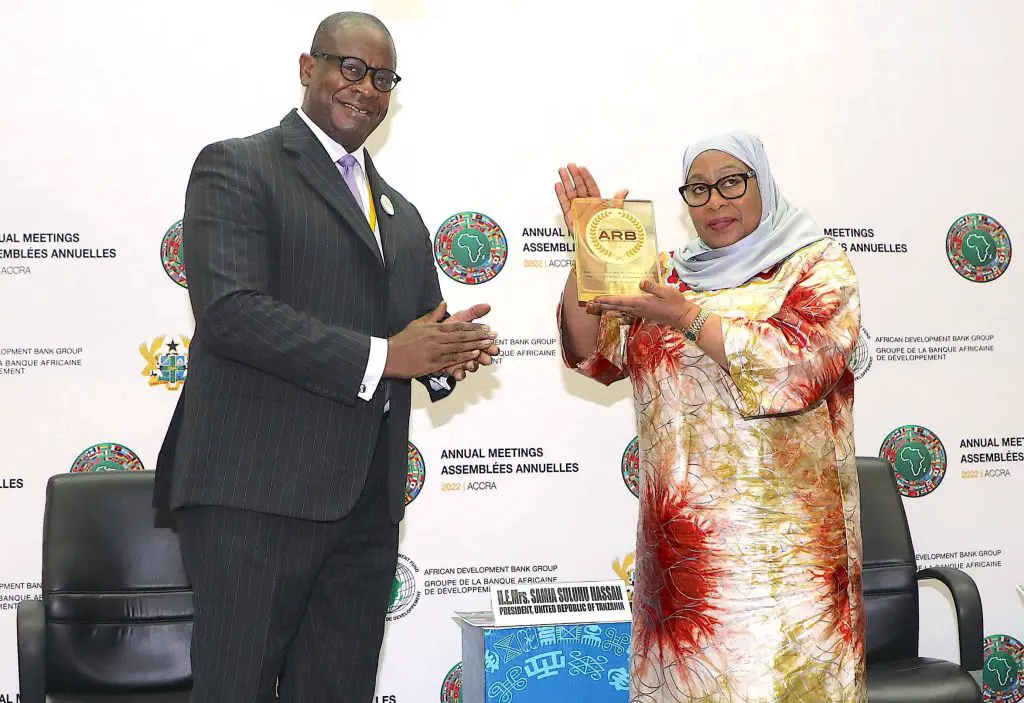
Last year, the Board of Directors of the African Development Fund (AfDB) approved another loan of around $116 million to Tanzania for the upgrade of a 160-km road corridor in the southern part of the country.
This enormous funding by the Bank actually served to cover 98.71% of the project cost; while the remaining 1.29% was met by the government of Tanzania. It is expected that the AfDB will continue funding Tanzania’s road works and other transport infrastructure especially given the country’s strategic geographical location.
Tanzania is the gateway into Africa’s interior and it is also the way out to the rest of the world via the Indian Ocean.
In Tanzania, it is the Tanzania National Roads Agency (TANROADS) is responsible for the improvement of road maintenance and development. The Agency is responsible for the management of 35,000 Km of roads made up of 12,786 Km of trunk roads and 22,214 Km of regional roads.
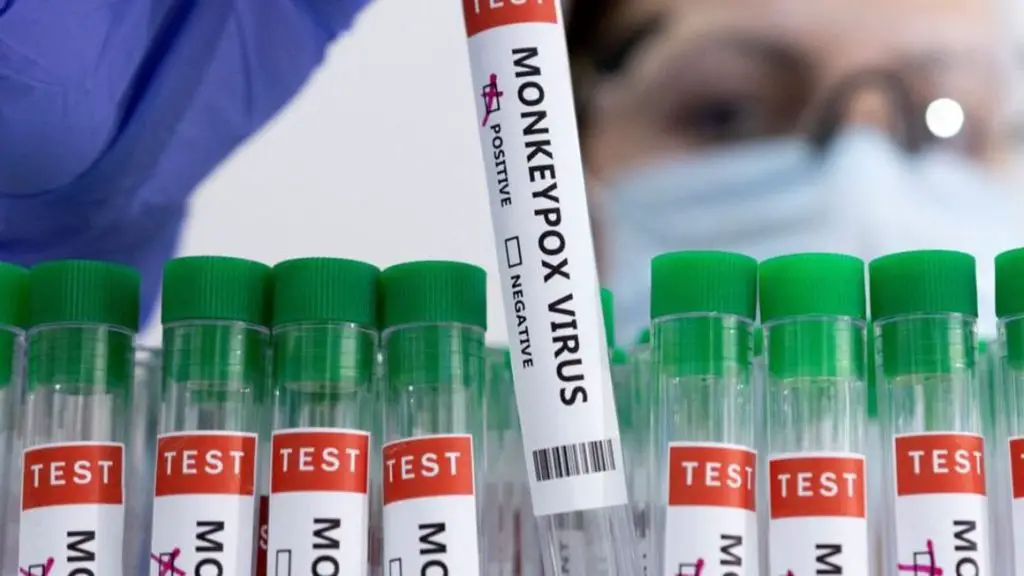
Cases so far have “mainly but not exclusively been identified amongst men who have sex with men,” according to WHO. This new revelation is against known medical knowledge of the disease because the WHO considers monkeypox not to be a sexually transmitted infection.
In a recent media briefing, Dr John Brooks, an epidemiologist with the US Centers for Disease Control and Prevention, explained that “…monkeypox is not a sexually transmitted infection in the typical sense, but it can be transmitted during sexual and intimate contact.”
From there onwards, the disease has continued to spread, as of May 21st the WHO has reported some 92 confirmed cases and 28 suspected ones. In the wake of this outbreak in the UK, other cases have been reported in Spain and Portugal and several other European countries.

Uganda to resume sugar imports into Tanzania Kenya is yet to allow the proposed import of 90000 tonnes of Ugandan…
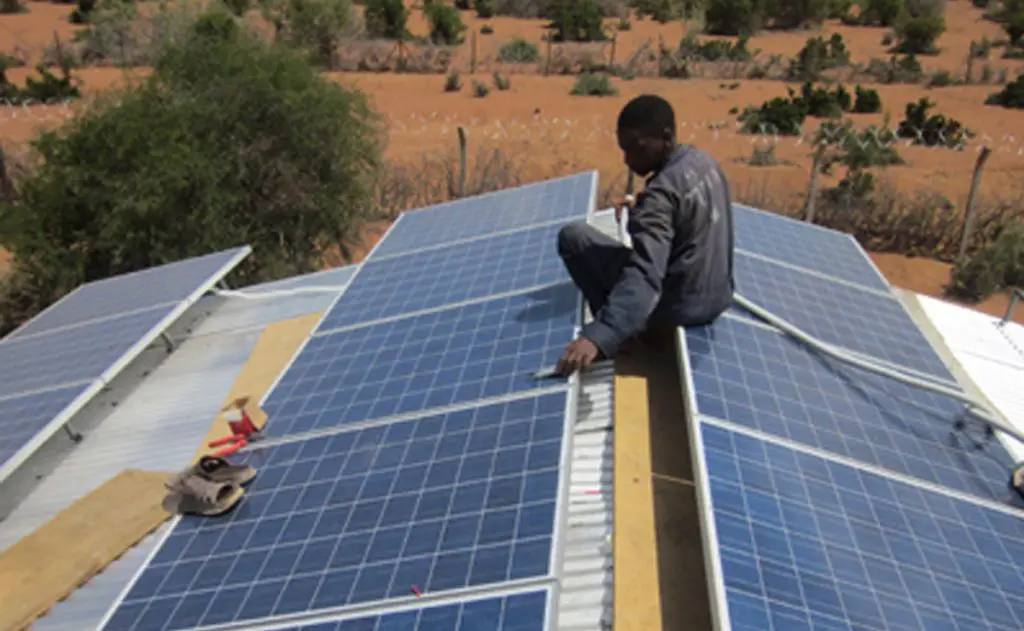
Unfortunately, even with an increased power supply, electricity is mostly used for lighting but the vast part of the community still relies on biomass ‘…which makes up close to 90% of the total primary energy consumption in Tanzania.’
According to REA, this reliance on biomass leads to the deforestation of 100,000 hectares every year and only about a quarter of this is ever reforested. At the moment, at least 63.5% of the households in Tanzania Mainland use firewood as the main source of energy for cooking which is the main cause of deforestation along with the clearing of forests for cultivation.
Another 26.2% of Tanzanians rely on charcoal for cooking and another 5.1% use, liquified petroleum gas and a mere 3 per cent use electricity. These figures show that even though there is an increased supply of electricity there is still profound destruction of forests and the atmosphere through deforestation and the burning of fossil fuels respectively.
Detailing on the source of the funding and its uses, the president said the US$100 million (over TShs230 billion) is from the International Monetary Fund (IMF) as a loan to Tanzania, and another US$100 million is for the Isles.
“The IMF fund will be directed to health, education, water and power sectors, as well as economically empowering wananchi (citizens/the public),” local media quoted President Mwinyi.
The president went ahead and gave a very detailed explanation of the planned use of the funding detailing each sector and the allocated amount and then he got to the part about funding to support businesses.
Toxic substances that are contained in e-waste contaminate the soil; however, they do not stop with the topsoil.
Heavy metals such as mercury, lithium, lead and barium leak through the earth all the way to the table water contaminating groundwater.
Now groundwater is the basic source of all water that we consume because groundwater is the water that eventually resurfaces as springs, ponds, streams, rivers and lakes.