


Trending
- AI’s Dual Capacity and a Strategic Opportunity for African Peace and Security
- How African economies dealt with the 2025 debt maturity wall
- Africa’s Green Economy Summit 2026 readies pipeline of investment-ready green ventures
- East Africa banks on youth-led innovation to transform food systems sector
- The Washington Accords and Rwanda DRC Peace Deal
- Binance Junior, a crypto savings account targeting children and teens debuts in Africa
- African Union Agenda 2063 and the Conflicts Threatening “The Africa We Want”
- New HIV prevention drug is out — can ravaged African nations afford to miss it?


Browsing: BoT
According to the review, money supply to accommodative monetary policy measures and supportive fiscal policy during the first half of 2021/2022.
Tanzania is a nation whose economy is driven by the healthy participation of the private sector, the sector fair well amid slow times.
Credit to the private sector grew by 5.9 per cent compared with an average of 5.1 per cent from July to December 2020.
It further explains that the RCF disbursement will continue to help address Tanzania’s urgent balance of payment needs arising from the Covid-19 pandemic.
The money will also serve to provide Tanzania with concessional resources needed to take measures to mitigate the severe socio-economic impact of the pandemic.
Tanzania’s economy is heavily dependent on the tourism industry and as yet, the IMF cautions that travel services receipts and travel arrivals continue to remain below pre-pandemic levels.
Gold exports accounted for 43 per cent of goods exported by the year ending September 2021 The Tanzanian shilling is…
As the world and the East African region continue to recover from different kinds of economic shocks triggered by Covid-19, inflation in Tanzania has also taken different turns. According to the review, in August 2021, twelve-month inflation remained at 3.8 per cent, which is noted to be the same, as the last month.
On the other side of the fence, the review showed that core inflation—of which its index calls of the largest share in consumer price index (CPI), rose to 4.5 per cent in August 2021 from 4.1 per cent in July 2021, this is attributed to the increase in transport costs, “reflecting an upward shift in fuel prices”.
Things seemed to work better in food inflation, whereby annual food inflation—excluding alcoholic beverages, slimmed down to 3.6 per cent from 5.1 per cent, the review argues that this is due to a decrease in prices of maize and maize flour, meat, vegetable and beans.
Energy, fuel, and utility inflation increased to 5.1 per cent in August 2021 from 3.6 per cent in July 2021…
The central bank of Tanzania (BoT) has painted the state of the economy on a different canvas. BoT’s economic bulletin for the quarter ending June…
The central bank of Tanzania (BoT) released the monthly economic review report on Wednesday, August 2021. The report brought various…
The Central Bank of Tanzania (BOT) published the monthly economic review on June 2, 2021, highlighting key economic performance in…
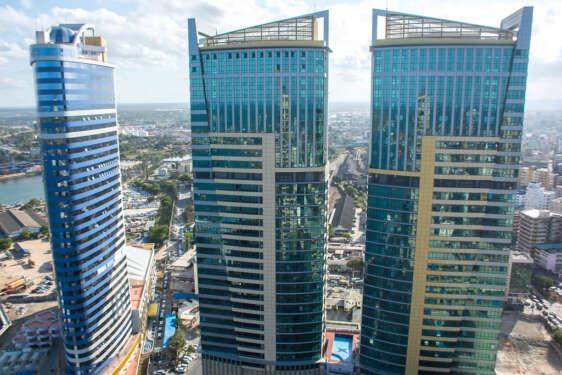
The central bank of Tanzania released the monthly economic review for May 2021 and it has reviewed different sections of…
Tanzania economy is projected to grow at 5.6 per cent, the central bank of Tanzania (BoT) revealed during its May…