


Trending
- Africa’s Green Economy Summit 2026 readies pipeline of investment-ready green ventures
- East Africa banks on youth-led innovation to transform food systems sector
- The Washington Accords and Rwanda DRC Peace Deal
- Binance Junior, a crypto savings account targeting children and teens debuts in Africa
- African Union Agenda 2063 and the Conflicts Threatening “The Africa We Want”
- New HIV prevention drug is out — can ravaged African nations afford to miss it?
- From banking to supply chains, here’s how blockchain is powering lives across Africa
- Modern railways system sparks fresh drive in Tanzania’s economic ambitions


Browsing: Niger

The AfDB-backed fibre-optic cable project estimated at $50 million (€43 million) covers five key routes in the country: Arlit-Assamaka to…
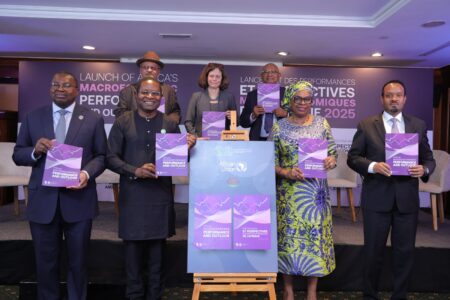
The AfDB projects real GDP growth to accelerate to 4.1 percent in 2025 and 4.4 percent in 2026. However, Africa’s…
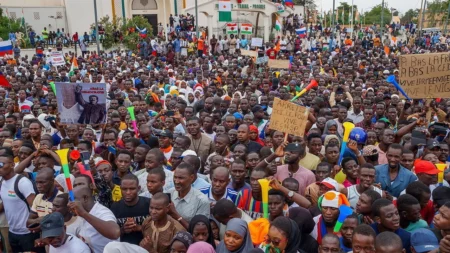
Months after the Military takeover in Niger, the African Development Bank (AfDB) forecasts the country’s GDP to jump by 11.2…

Africa will be the second fastest-growing regional economy in 2024. Over 10 African countries will experience substantial GDP growth. In October 2024, the International Monetary Fund emphasized Africa’s pivotal role in global economic development and resilience.
Africa could face economic headwinds this year. However, some of the continent’s brightest spots are lighting up the economic prospects. According to the International Monetary Fund, six of the top 10 performing nations globally are projected to come from Africa in 2024.
United States officials and politicians have shown much interest and support for renewing the African Growth and Opportunity Act (AGOA) as its expiration date approaches in September 2025. The fate of this landmark legislation, which provides duty-free access to the US markets for some African countries, remains uncertain for the next 22 months but has significant implications for trade between the United States and Africa.
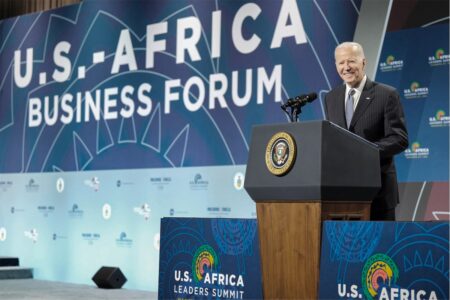
Four African countries are staring at huge losses running into billions of dollars starting January 2024 following their expulsion from the African Growth and Opportunity Act (AGOA). The move will further worsen the unemployment crisis in the affected countries. Agoa offers thousands of jobs in apparels industry, especially to the youth.

China signs deal to reopen closed uranium mining site in crisis-hit Niger. Niger further agrees to give Chinese Company an…

Niger military overthrows the democratic government led by President Mohamed Bazoum. Niger’s Colonel-Major Amadou Abdramane announces coup d’état on national…
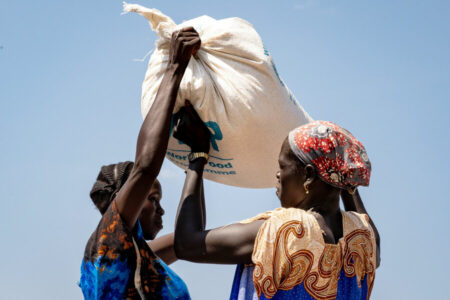
In West Africa, half of the 11.6 million individuals, who were set to receive food aid between June to August,…

According to the Central Bank of West African States (BCEAO), growth should accelerate in the WAEMU economic region in the medium term. The increased production in the tertiary and secondary sectors remains crucial. These sectors should benefit from controlling the current health crisis in the Union and the continued implementation of the NDPs.
Growth in the Union is expected to drop from 6 per cent in 2021 to 5.9 per cent in 2022 before settling at 7.2 per cent in 2023. The contribution to growth from the tertiary sector should stand at 3.5 per cent in 2023, up by 0.3 points compared to 2022. The contribution of the secondary sector should grow by 0.9 points between the two years to settle at 2.6 per cent in 2023.