


Trending
- Who got the money and who didn’t in Africa’s 2025 race for foreign direct investments?
- AI’s Dual Capacity and a Strategic Opportunity for African Peace and Security
- How African economies dealt with the 2025 debt maturity wall
- Africa’s Green Economy Summit 2026 readies pipeline of investment-ready green ventures
- East Africa banks on youth-led innovation to transform food systems sector
- The Washington Accords and Rwanda DRC Peace Deal
- Binance Junior, a crypto savings account targeting children and teens debuts in Africa
- African Union Agenda 2063 and the Conflicts Threatening “The Africa We Want”


Browsing: technology
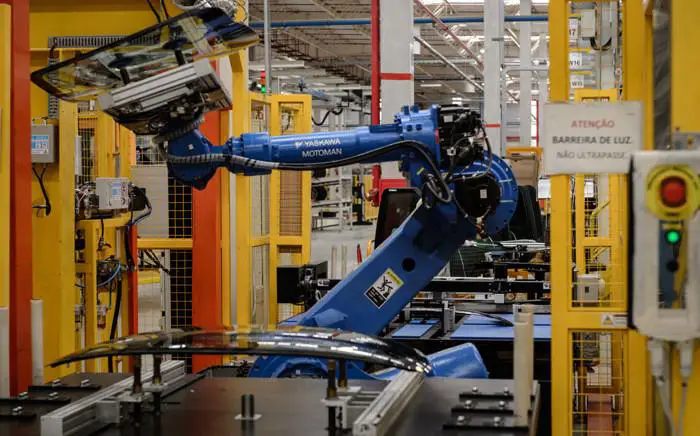
The widespread adoption of information and communication technology (ICT) by manufacturing companies the world-over is driving competition and permanently disrupting…

The economies of African countries’ are dominated by agriculture and the continent’s growth relies heavily on the performance of the…

Due to the pandemic, the topic of innovation in education has never been more crucial.
While most developed countries moved their classes online with ease, many developing countries have had a hard time adapting to the home-school model due to a lack of infrastructure and the high cost of data.
According to the United Nations Educational, Scientific and Cultural Organization (UNESCO), 91.3% of the world’s learning population was impacted by global shutdowns brought about by the pandemic.
This means that about 1.5 billion students were not in school, a situation that largely impacted developing nations, a lot of which are in Africa.

The additional Gbps will be part of the highly anticipated global submarine cable. It is aimed at increasing the availability of high-performance and reliable internet connectivity access across the continent leveraging Liquid’s 100,000km of terrestrial fibre across 12 countries.
While acting as a new global internet route between Asia, Europe and the USA, the additional capacity will help increase the proliferation of faster and more affordable internet, Cloud and cyber security services to the African people and businesses.
“We are delighted to provide new subsea capacity between Mombasa, Karachi and Marseille, with extensions planned towards Singapore and Asia. This creates a cost-effective, low-latency and diverse route that our customers can leverage to serve their business-critical connectivity needs. The submarine cable will be ready in 2022,” Liquid Dataport (a division of Liquid Intelligent Technologies) CEO David Eurin said.
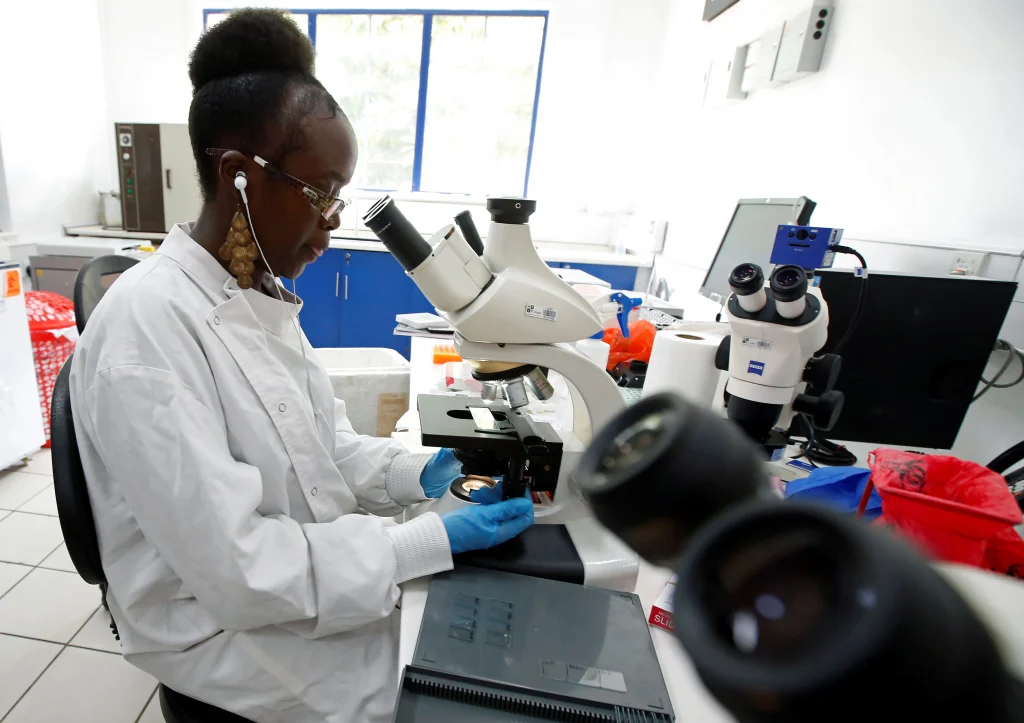
The continent’s digital revolution can largely be driven by building the necessary skills for the short- and long-term future, and this starts in the classroom.
The recent technological influx across Africa, largely boosted by the adoption of mobile phone use, needs to be capitalized upon by the education sector.
This can be achieved through reimagining the education landscape by addressing the challenge of exclusion through increased investment, to achieve quality education in science and technology for all.
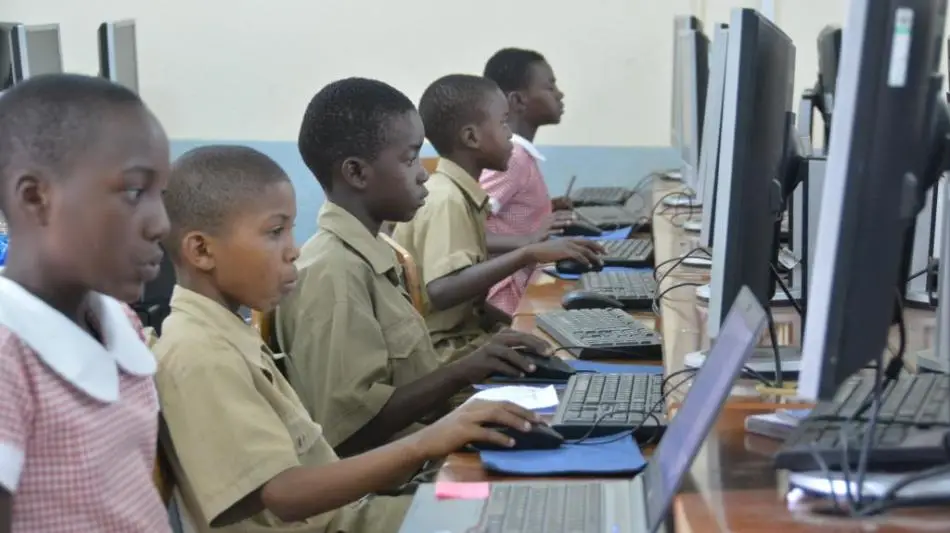
After a decade the Government launched the Presidential e-Learning Programme of 2011 which aimed to strengthen the use of ICTs for teaching and learning. In an article published by the Herald on March 28, 2012, former President Mugabe said the projects brought on board e-learning software solutions to complement the benefits of the Presidential Computerisation Programme launched 10 years back.
“Encouraged by the Presidential Computerization Programme, the first successful step of transforming Zimbabwe into an information society, we have now decided to go a gear up and add value to the initial programme by introducing a new dimension to it, this time, in the form of an e-learning Programme,” he said.
The Connect a School Connect a Community Project was launched in 2013, it provided disadvantaged schools with modern technology. Afterwards, Zimbabwe drafted through the Ministry of ICT, Postal, and Courier Services a National ICT Policy that acknowledges a role for ICTs in the education sector. However, while the policy is dated 2016, it was launched in 2018. In 2019 ICT Policy for Primary and Secondary Education (2019–2023) was launched and all of these show efforts by the Government to embrace technology in the education sector.

Zimbabwe to introduce electronic courts early next month, with all the partners trained and geared to embrace the development. President…

Within the service industry, 4IR creates a potential for new goods and processes enabled by technology. As demand develops in lockstep with income, possibilities exist as African countries resume economic growth. Because technology complements rather than replaces labour in many service industries where formal companies and employment dominate, the adoption of technology should develop new formal wage positions for young and educated job seekers.
Adoption of 4IR technology may also result in improvements in job quality (e.g., earnings, income security) in the large non-farm informal sector (63 per cent of total employment)—for example, by the use of online stores and channels to find customers and satisfy their needs safely and efficiently.
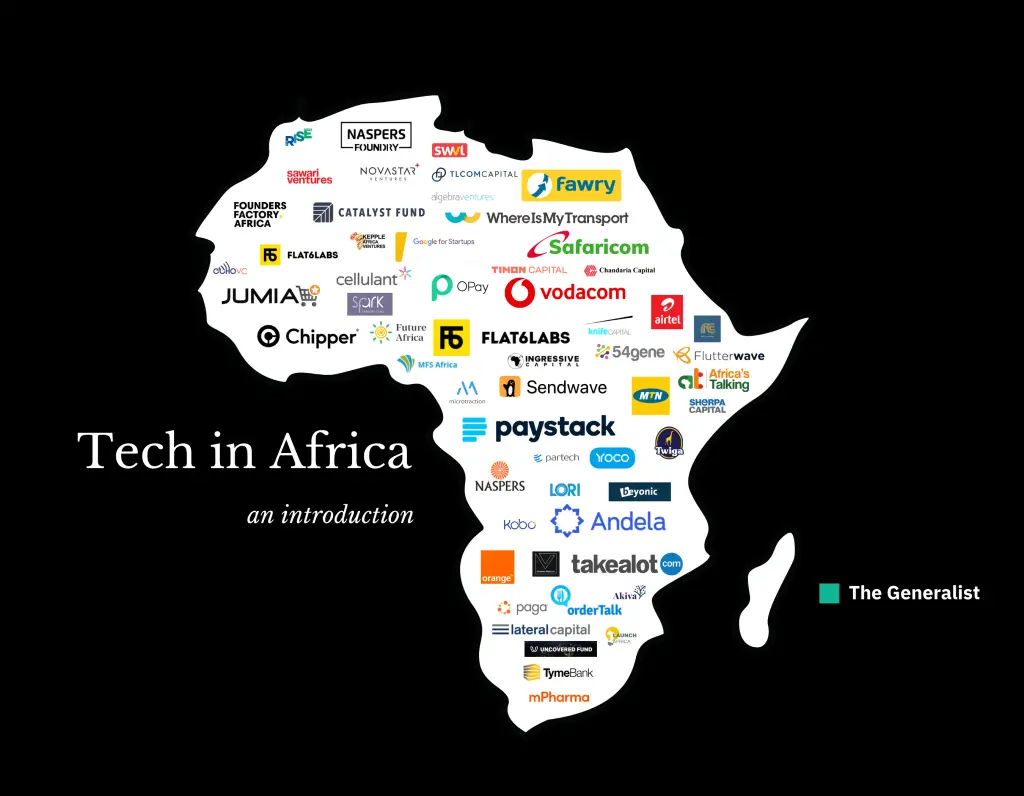
A sense of well-being encompasses a wide range of factors, including access to education and employment, as well as the…

However, economic growth and the rapid expansion of digital and mobile services are set to change this.
With the African middle class growing across many African nations, the target market for insurance products is growing.
The report highlighted that there has been a significant rise in demand for digital solutions, as smartphone and affordable internet penetration deepens across the continent, providing opportunities for InsureTechs to step in and offer innovative products.