


Trending
- Africa’s Green Economy Summit 2026 readies pipeline of investment-ready green ventures
- East Africa banks on youth-led innovation to transform food systems sector
- The Washington Accords and Rwanda DRC Peace Deal
- Binance Junior, a crypto savings account targeting children and teens debuts in Africa
- African Union Agenda 2063 and the Conflicts Threatening “The Africa We Want”
- New HIV prevention drug is out — can ravaged African nations afford to miss it?
- From banking to supply chains, here’s how blockchain is powering lives across Africa
- Modern railways system sparks fresh drive in Tanzania’s economic ambitions


Browsing: Ukraine

The AfDB and ECOWAS have signed a $11.78 million grant to boost rice production across West Africa, aiming to reduce…

Russia’s invasion of Ukraine in February 2022 threw oil and gas markets into disarray. Consequently, the world experienced the first real global energy crisis during the uneven economic recovery from the COVID-19 epidemic. Russia’s inclusion in the OPEC+ group has hampered international attempts to manage the situation. This has made it harder to handle the significant inflationary effects of rising global fuel prices, particularly in developing nations.
Global fuel prices have risen exponentially in the last few months. The rise is hugely significant, as it has seriously aggravated the global cost-of-living crisis. African economies have particularly been on the receiving end. The continent has suffered from disrupted supply chains and a slowdown in the global economic outlook. Thus, rising energy costs complicate matters even further.
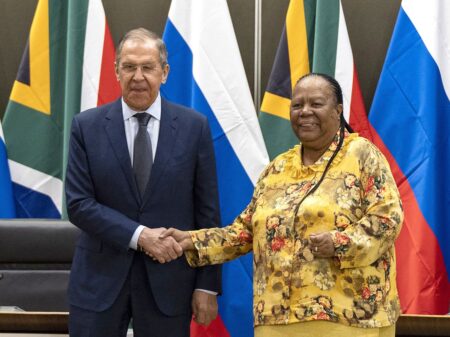
As a signatory to the ICC, South Africa is under a legal obligation to heed the warrant and arrest the…
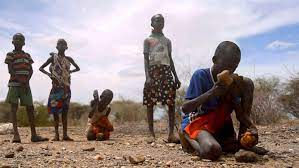
At the close of 2022, between September to December, food prices soared around the world and with no signs of…
The Russia-Ukraine war has impacted Africa’s economic growth by increasing food shortage Africa is facing impending food crisis that will…

Elon Musk Starlink satellite internet in Tanzania expected as early as first quarter of 2023 Tesla to access nickel…
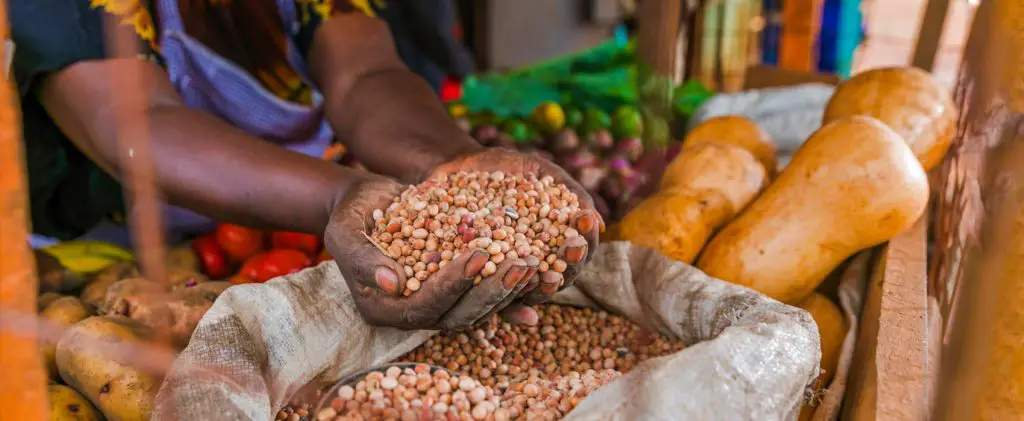
Food security in Africa has always been the centre stage of all major global meetings. Photos of starving naked children have been paraded so much that hunger and Africa have become synonymous.
However, after years of talks, recommendations, solutions, funding, monitoring, evaluation, more talks, more recommendations, more funding…and then more years of new talks, new recommendations, new solutions, new funding… it’s exhausting; Africa is still hungry!
The cool acronyms, the endless list of organizations, the countless projects and initiatives, the billions upon trillions issued every year, its all mind-boggling.
Global Development Goals (GDG), Sustainable Development Goals (SDG), World Food Organisation (WFP), International Monetary Fund (IFM), World Bank (WB), African Development Bank (AfDB), Alliance for a Green Revolution in Africa (AGRA)…it goes on and on.
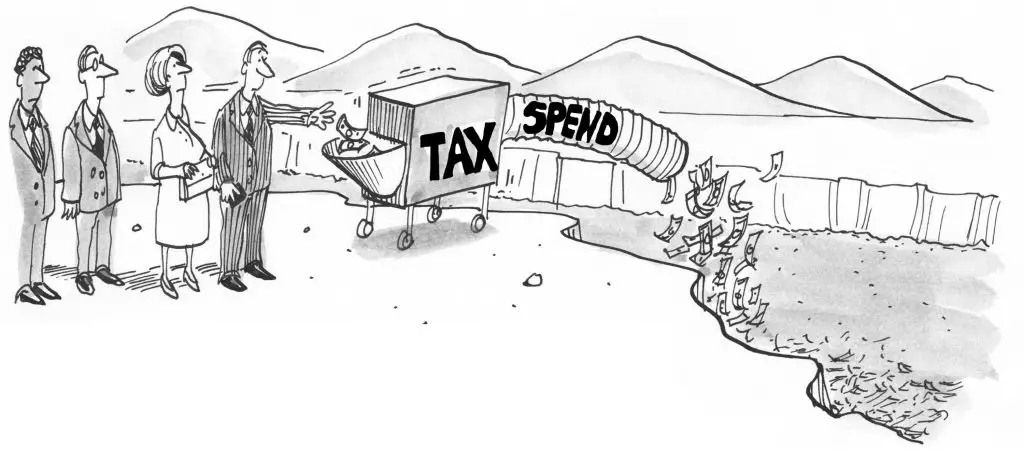
Countries must continue to work to mitigate their vulnerabilities over time. This involves minimizing balance-sheet misalignments, establishing money and foreign exchange markets, and lowering exchange rate passthrough by increasing monetary policy credibility.
However, in the short term—while vulnerabilities remain high—the use of extra instruments may assist relieve short-term policy trade-offs when certain shocks occur. In particular, foreign exchange intervention, macroprudential policy measures, and capital flow controls may help increase monetary and fiscal policy autonomy, promote financial and price stability, and minimize output volatility if reserves are enough and these instruments are available.
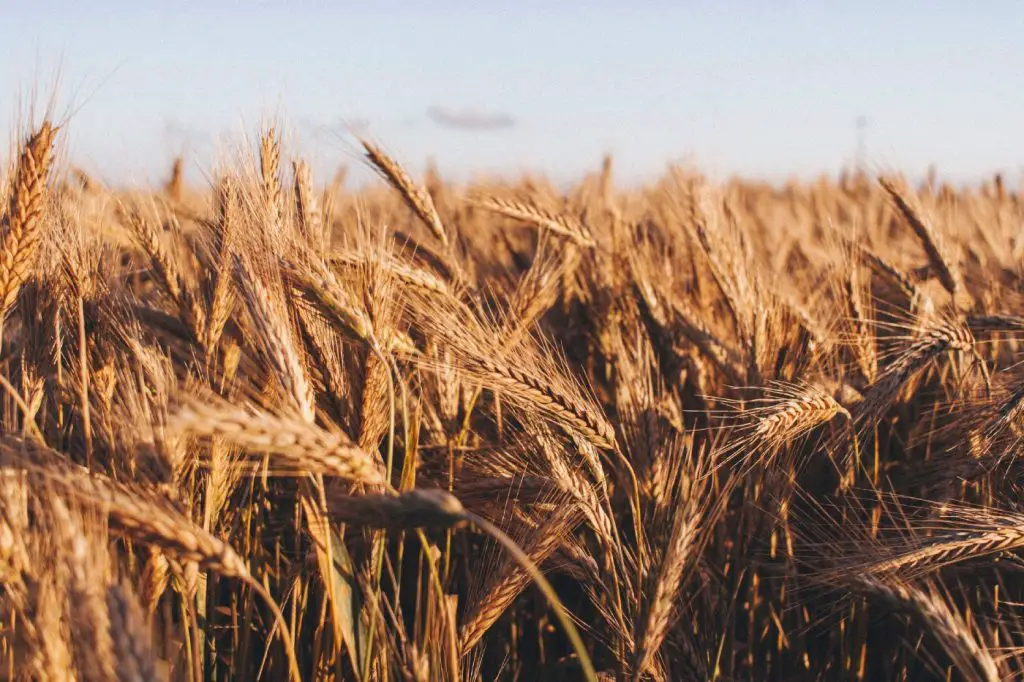
Dr. Tiberio Chiari, former Manager of the Agricultural Value Chains Programme in Oromia- Ethiopia, within the Ethio-Italian Development Cooperation Framework, offers some of these efforts that the government has implemented in the Ethiopian wheat value chain that other African countries can learn from.
Launch and execution of suitable growth policies
The government keeps working harder to ensure the country’s current dependence on wheat importation (of about 1.7 million tonnes) is fully nullified. After years of field experimentation, in 2021, the Ethiopian government launched its new plan.
The objective of the plan is to cut down the import of wheat by producing during the cold season in pastoral dry areas currently available in the Awash, Omo and Shebelle river basins. The approach includes the cultivation of 400,000 hectares of land and the deployment of a large-scale commercial farming model to achieve a productivity of 4.4 tonnes/ha.

Every African region has felt the effects of Russia’s invasion of Ukraine, with West Africa also bearing the burden of…