


Trending
- Africa’s Green Economy Summit 2026 readies pipeline of investment-ready green ventures
- East Africa banks on youth-led innovation to transform food systems sector
- The Washington Accords and Rwanda DRC Peace Deal
- Binance Junior, a crypto savings account targeting children and teens debuts in Africa
- African Union Agenda 2063 and the Conflicts Threatening “The Africa We Want”
- New HIV prevention drug is out — can ravaged African nations afford to miss it?
- From banking to supply chains, here’s how blockchain is powering lives across Africa
- Modern railways system sparks fresh drive in Tanzania’s economic ambitions


Browsing: UNCTAD

As national debts grow, many African countries find themselves spending more on debt than on health. IMF says the debt…
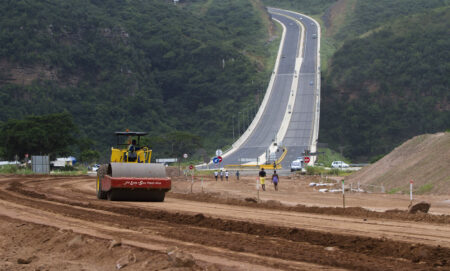
The United Nations Conference on Trade and Development (UNCTAD) has stated that inadequate infrastructure investment in African countries hinders the continent from securing a more advantageous position as a global supply chain destination.
The organization highlights, among other points, in its annual 2023 Africa economic development report, the need to prioritize certain aspects to strengthen Africa’s role in the supply chain, recognizing its potential to become a key player in the global supply market.
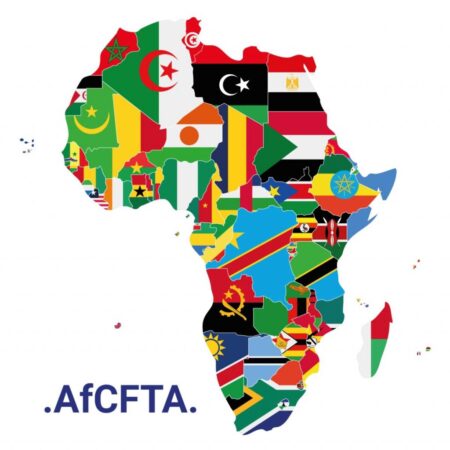
The African Continental Free Trade Area (AfCFTA) is now widely touted as the African Union’s (AU) most audacious project. The framework ties together the most significant number of member countries of any trade agreement since the World Trade Organisation (WTO) in 1995.
The AfCFTA had become topical even before its formal launch. Members of the business community eagerly awaited the full implementation of the AfCFTA. But two years since its formal launch, how far has the AfCFTA ushered in the ‘new era’ of African integration it promised?
The forum offers a unique chance to shape global investment policies by tackling the challenges to international investment. The forum…
Southern Africa, East and West Africa saw their flows of FDI rise in 2021. It was only in Central and North Africa that flows of foreign direct investment were flat or declined, respectively. Flows to North Africa fell by 5 per cent to $9.3 billion.
Egypt saw its FDI drop by 12% as large investments in exploration and production agreements in extractive industries were not repeated. Despite the decline, Egypt has the second highest flows of FDI in 2021 on the continent.
UNCTAD reports that it expects FDI flows to increase in North Africa owing to pledges of as much as US$ 22 billion to the region from Gulf states. In Egypt, according to the UNCTAD World Investment Report 2022 tripled green field projects of US$ 5.6 billion and real estate projects of US$ 1.5 billion.
In Morocco, FDI flows increased by 52% to US$ 2.2 billion. This was driven by a large international project finance deal announced in that country to finance the construction of a power line.
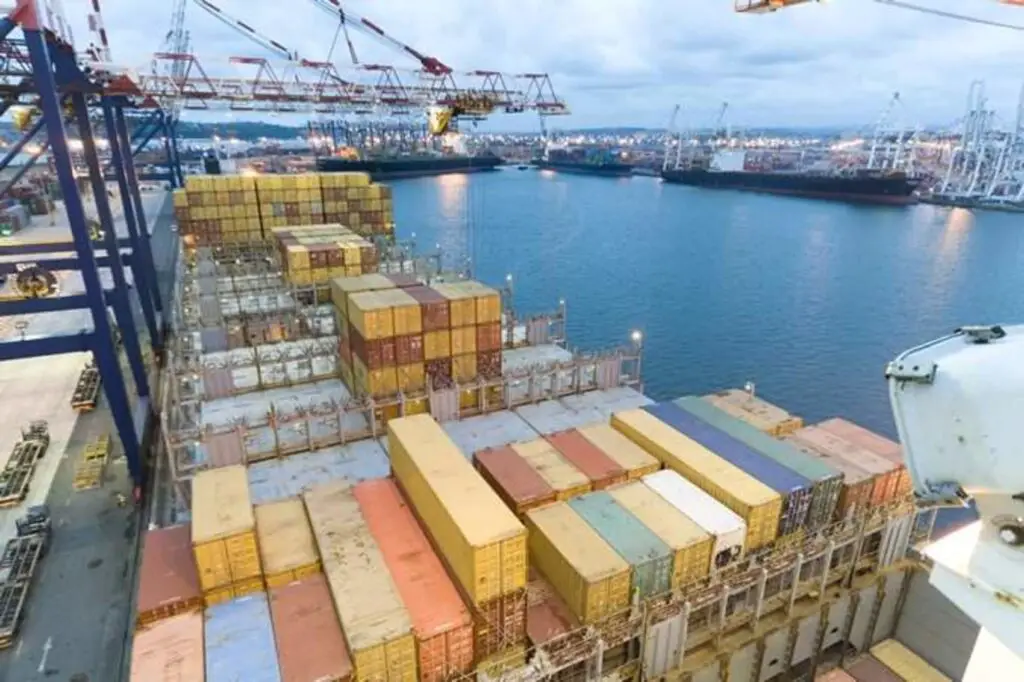
UNCTAD argued that in the fourth quarter of 2021, all major trading economies saw imports and exports rise well above pre-pandemic levels of 2019. Moreover, the report pointed out that trade in goods increased more strongly in developing countries than in developed ones.
It is essential to realize that Africa has more to tap into the intra-African trade, standing at around $21.9 billion, according to UNCTAD.
Further, exports of developing countries were about 30 per cent higher than during the same period in 2020, compared with 15 per cent for wealthier nations.
The UNCTAD report argued that growth spiked in commodity-exporting regions as commodity prices increased.
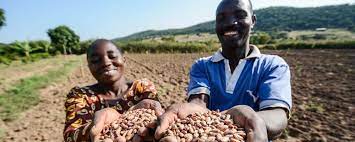
So now the government through its Ministry for Agriculture has decided to take action to increase domestic production of edible oils. To do this, the government has developed several strategic approaches including upgrading peasant technology.
This initiative fits into the country’s overall industrialization initiative that targets mainly agricultural mechanization. By increasing funding for the set up of factories and smaller production plants, Tanzania is able to increase its output of edible oils.
However, the country needs to increase seed production hand in hand with increasing its value chain capacity. This is where the Tanzania Agricultural Research Institute (Tari) based in Dar es Salaam comes in. A globally-renowned research institute that develops hybrid seeds among other agricultural research works.
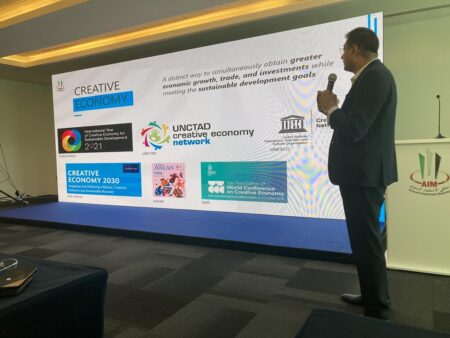
Africa’s creative digital economy, which includes music, film, art, fashion, cultural artefacts, apps and games is not only creating wealth for the creators but also contributes to the gross domestic product, exports and boosting development outcomes according to the United Nations Conference on Trade and Development (UNCTAD).
“The creative economy is recognized now as a tool of sustainable development,” says Marisa Henderson, Chief of the Creative Economy Program at UNCTAD. UNCTAD defines this “creative economy” aka “orange economy” as the sum of all the parts of the creative industries, including trade, labour, and production.
They have tracked trade in creative goods and services for close to twenty years and consistently found that the growth rate of creative economy exports outpaces that of other industries[11]. Africa’s cultural goods sector is estimated to employ about half a million people and generate US$4.2 billion in revenue[12].
For the 2030 Agenda for Sustainable Development to be actualized appropriate financing is required and remains a major challenge, added to concerns over insufficient financial accountability, transparency and integrity. The President of the UN General Assembly and the President of the UN Economic and Social Council instituted a 15-member panel on Financial Accountability, Transparency and Integrity (FACTI) in March 2019, to look at ways to address illicit financial flows (IFFs), among other issues. Earlier, the problem of IFFs was brought to light by the Thabo Mbeki-led High-level Panel on Illicit Financial Flows from Africa in a 2015 report. Tackling the issue further the United Nations Conference on Trade and Development (UNCTAD) released the Economic Development in Africa Report 2020 titled, Tackling Financial Flows for Sustainable Development in Africa. All these efforts serve to highlight the urgency with which world leaders need to deal with this issue.
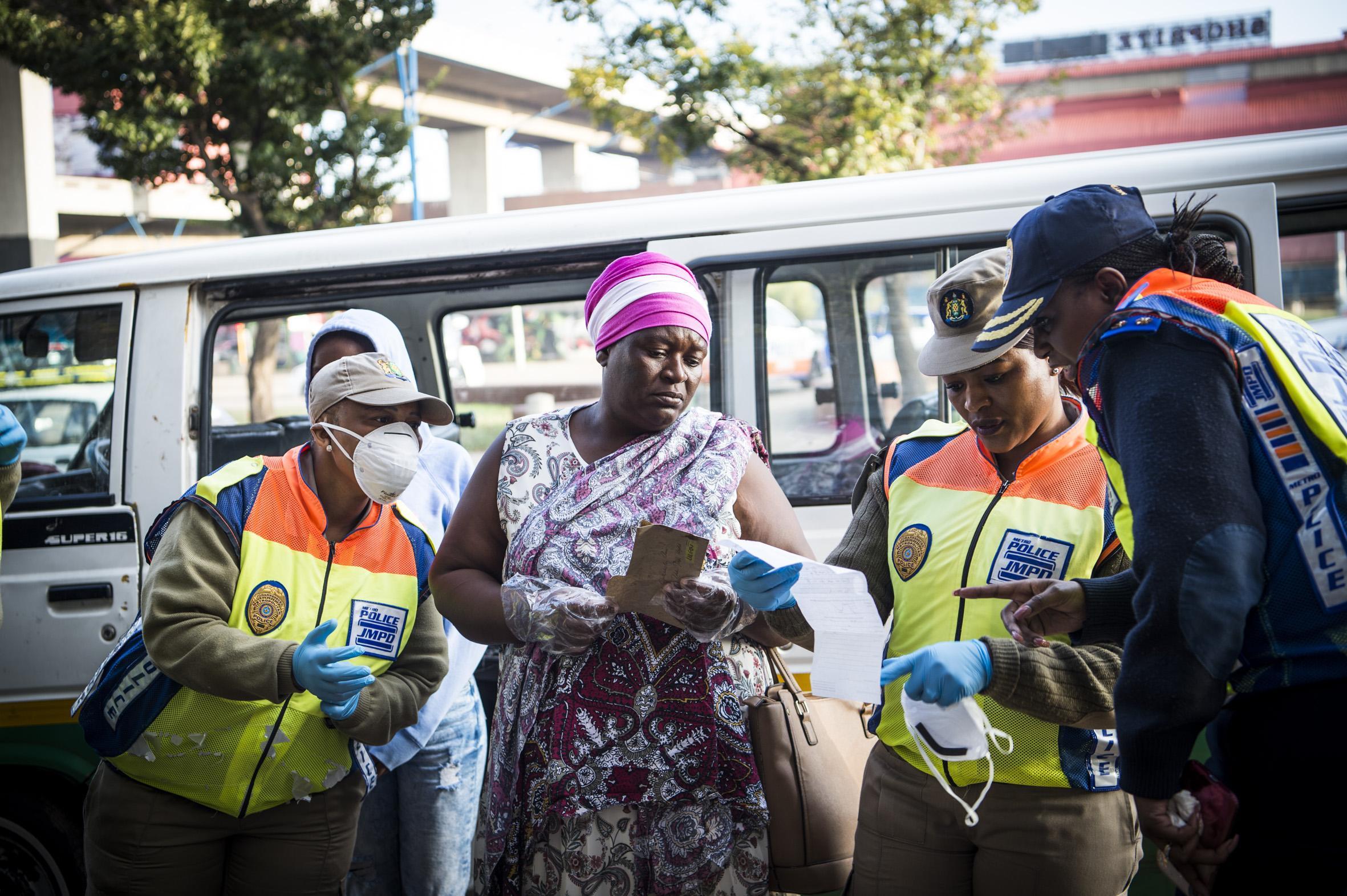
It is with no doubt that the coronavirus pandemic (COVID-19) has caused serious troubles for economies around the world, namely in the…