


Trending
- Africa’s Green Economy Summit 2026 readies pipeline of investment-ready green ventures
- East Africa banks on youth-led innovation to transform food systems sector
- The Washington Accords and Rwanda DRC Peace Deal
- Binance Junior, a crypto savings account targeting children and teens debuts in Africa
- African Union Agenda 2063 and the Conflicts Threatening “The Africa We Want”
- New HIV prevention drug is out — can ravaged African nations afford to miss it?
- From banking to supply chains, here’s how blockchain is powering lives across Africa
- Modern railways system sparks fresh drive in Tanzania’s economic ambitions


Browsing: USAID
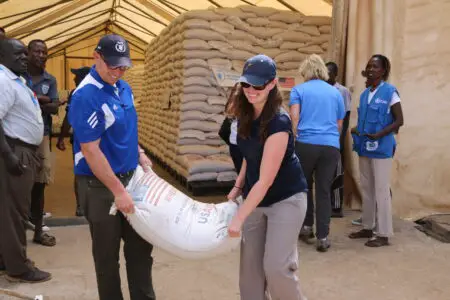
Questions are lingering about US food aid to Tanzania that targets schools, with critics terming it unnecessary. US food aid…
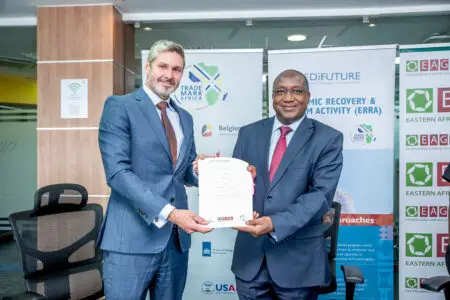
EAGC funding seeks to tackle trade challenges directly by removing trade impediments and building food export capacity in Kenya, Tanzania,…
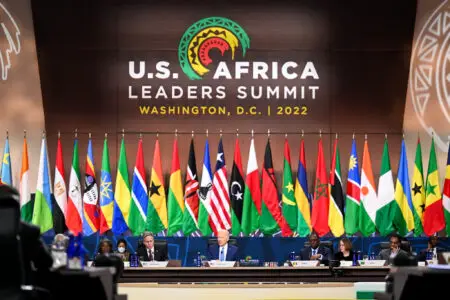
In recent years, Africa has emerged as a promising destination for global investment, with its vast natural resources, expanding consumer markets, and growing middle class. As the continent’s economies continue to strengthen and diversify, global players increasingly recognise the potential for mutually beneficial partnerships. The United States has significantly contributed to Africa’s economic transformation among these partners.
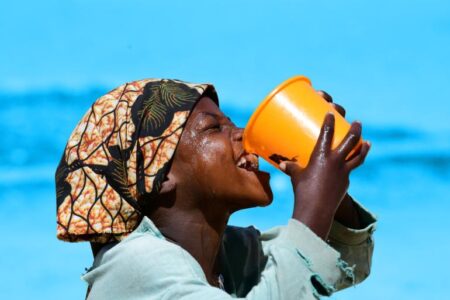
USAID is committing $3 million in funding for water and sanitation investment projects in Africa. The financing through African Water…
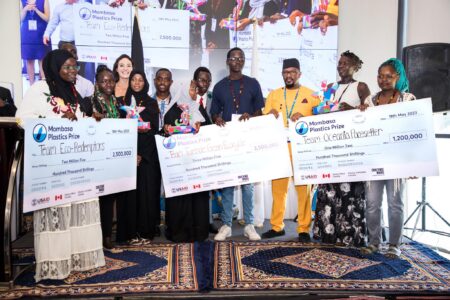
Three startups Twende Green Ecocycle, Oceania Pacesetter, and Eco-Redemptors offered the most effective solutions in tackling Mombasa’s marine plastics problem. …

The government of Tanzania is looking to make the country cooking oil self-sufficient by 2025, that is in just two…
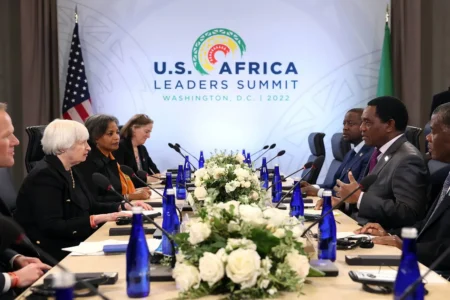
US$55 billion to be invested in Africa over the next three years along with several new partnerships and initiatives. The…

Before it infects humans, Ebola ‘is introduced into the human population through close contact with the blood, secretions, organs or other bodily fluids of infected animals such as fruit bats, chimpanzees, gorillas, monkeys, forest antelope or porcupines found ill or dead or in the rain forest.
Notice the list of animals, these are very common not only in an African forest but any bushes or shrubs in any human settlement (across the world). Again, while scientists explain the epistemology of the disease, they fail to explain why after centuries of safe contact, now these animals are infecting humans.
What scientists do know is ‘Ebola then spreads through human-to-human transmission via direct contact (through broken skin or mucous membranes) with blood or body fluids of a person who is sick with or has died from Ebola.’
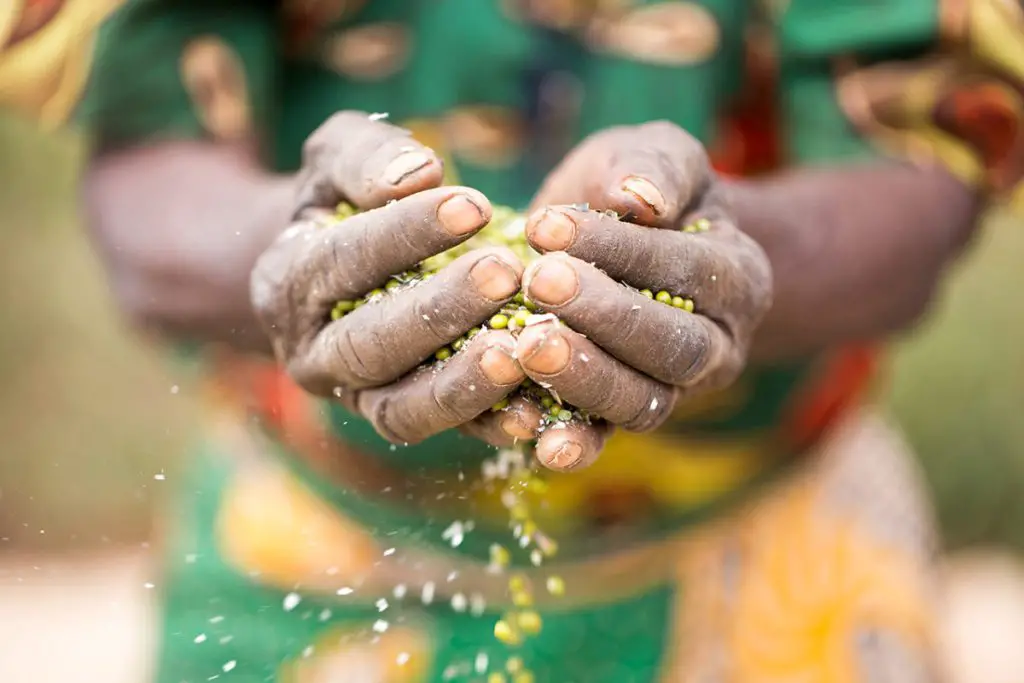
Worse still, the institute points to a much deeper conspiracy to force African farmers to buy agro-inputs from large corporations. In its report, the Oakland Institute says AGRA ‘imposes a regime in which farmers lose power over their own seeds and are forced to buy them back from large corporations year after year.’
“This system may also contribute to the marginalization of women.9 million smallholder farmer households, who are witnessing increased food security through AGRA’s direct interventions,” reads the report in part.
Then there is the matter overarching matter of climate change. The Food and Agriculture Organization (FAO) warns that the use of synthetic nitrogen fertiliser will increase nitrous oxide emissions, which increase the atmospheric temperature significantly.
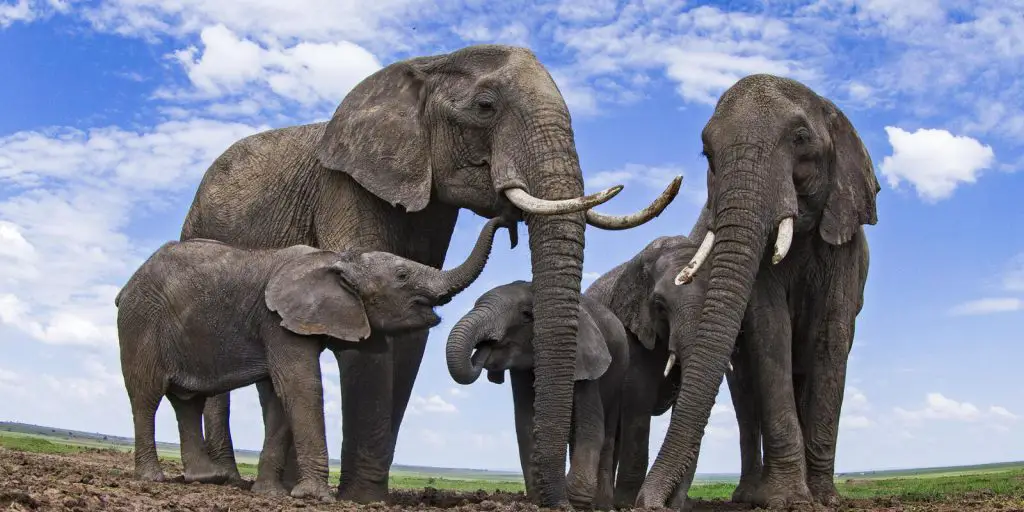
On behalf of Tanzania’s Minister for Tourism and Natural Resources, Director of Wildlife Division, Dr Maurus Msuha said; “The project is key especially in our changing environment as many of our wildlife movement corridors are increasingly becoming fragmented to reduce encroachment and conflicts.”
The project will extend across five years to restore destroyed wildlife corridors along with supporting the surrounding communities. As such, the majority of the funding will go into strengthening the institutional capacity of key players from both the public and the private sectors.
“Although we cannot reverse previous damage to wildlife and natural resources, moving forward, USAID Tuhifadhi Maliasili will foster sustainable management at the community and national level,” Dr Masuha told stakeholders.
The project will engage and empower women and youth groups at both local and national levels. It is only through such communal engagement that the project can be sustained. A key part here is conducting awareness campaigns on the importance and relevance of ecosystem protection and environmental conservation.