


Trending
- Turkey Brokers a Dispute Ceasefire Between Ethiopia and Somalia
- BRICS antitrust authorities turn the heat on trade platform Covantis
- From fossil fuels to green futures: Oxford and EBC Financial Group on what’s holding us back
- Africa’s natural resources: Will Trump’s policies benefit or exploit the continent?
- US Sanctions Zimbabwe’s gold smuggling Kingpin Kamlesh Pattni
- From Industry 5.0 to Future Finance: AIM Congress 2025’s bold agenda, key partners unveiled
- John Mahama Makes a Comeback as Ghana’s President
- Zambia’s solar energy drive: Fighting rural energy poverty with renewable options



Browsing: livestock farming

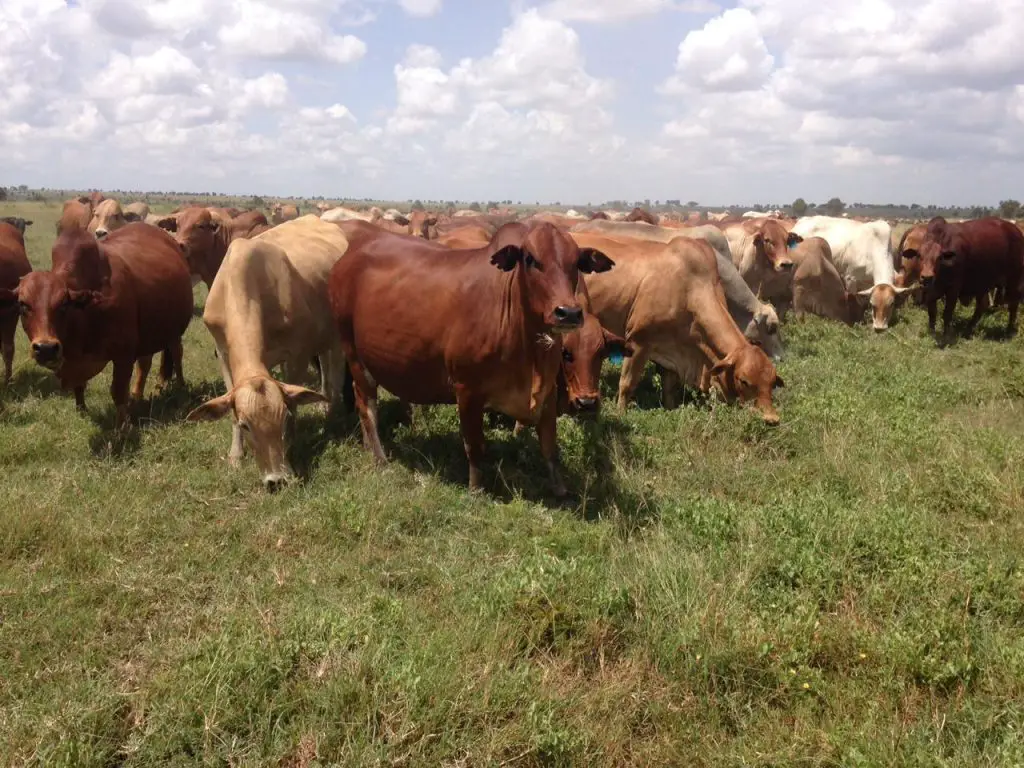
- Financing will create more jobs, and reduce national expenditure on the importation of milk and dairy products. It will also improve the nutritional status of Nigerians.
- The credit scheme also seeks to reduce protracted conflict between farmers and herders as well as drive investments in the industry.
- Ministry of Agriculture says plan will improve security and foster harmonious existence between farmers and herders.
Livestock farmers across Nigeria are set to benefit from a $10.8 million credit scheme that seeks to enhance their business value chains and attract more investors in the sector.
According to the Minister of Agriculture and Rural Development, Mohammad Mahmood Abubakar, the $10.8 million credit scheme targeting livestock farmers, will be run by the Bank of Agriculture.
Mr Abubakar said Nigeria is committed to reforming the livestock sector with notable programmes such as the National Livestock Transformation Plan, and Livestock Productivity Resilience and Support Plan, among others.…