


Trending
- Africa’s Green Economy Summit 2026 readies pipeline of investment-ready green ventures
- East Africa banks on youth-led innovation to transform food systems sector
- The Washington Accords and Rwanda DRC Peace Deal
- Binance Junior, a crypto savings account targeting children and teens debuts in Africa
- African Union Agenda 2063 and the Conflicts Threatening “The Africa We Want”
- New HIV prevention drug is out — can ravaged African nations afford to miss it?
- From banking to supply chains, here’s how blockchain is powering lives across Africa
- Modern railways system sparks fresh drive in Tanzania’s economic ambitions


Browsing: Mining
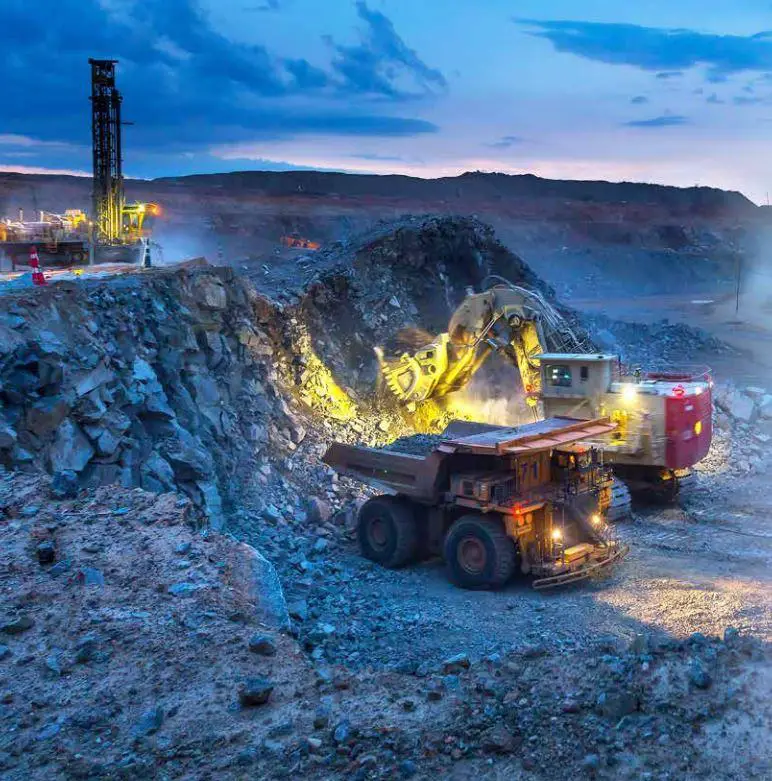
Caledonia’s chief executive, Mark Learmoth, speaking of the Bilboes Project called it a “premier gold development project in Zimbabwe and one of the best gold development projects in Africa”.
Through its acquisition strategy, Caledonia is steadily and certainly transforming itself from being a single mine operator to one where it produces a single commodity but operating various mines and mining projects. The company’s boss called this transaction a “transformational asset” and said it was the next step in Caledonia’s journey to becoming a multi-asset mid-tier gold producer.
Prior to its acquisition strategy Caledonia operated a single mine in Zimbabwe which is the Blanket Mine situated in Gwanda, in the Matabeleland South province of Zimbabwe. The company targeted producing 80,000 ounces of gold from its mine in 2022. The acquisition of the Bilboes project, considering that it will produce 168,000 ounces of gold annually over its 10-year life of mine, means that Caledonia will exceed its annual gold production target by at least 3 times!
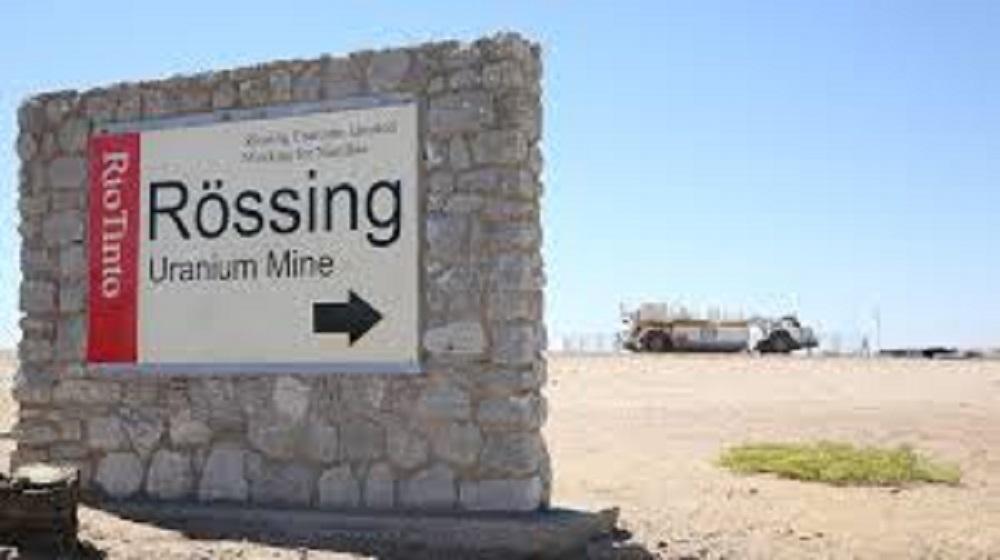
Paladin is restarting its Langer Heinrich uranium mine in Namibia that was idled due to low prices. Australian uranium producers, including Paladin, have raised close to US$282.08 million in share sales this year to fund exploration and resuscitate mines.
The current primary uranium supply is unable to meet demand, and the deficit is being met by secondary supplies and inventory drawdowns, Paladin CEO Ian Purdy said at the Digger & Dealers Mining Forum in Kalgoorlie, Australia.
The average annual deficit is projected to be in the range of 40 million pounds over the coming decade, he told the forum.
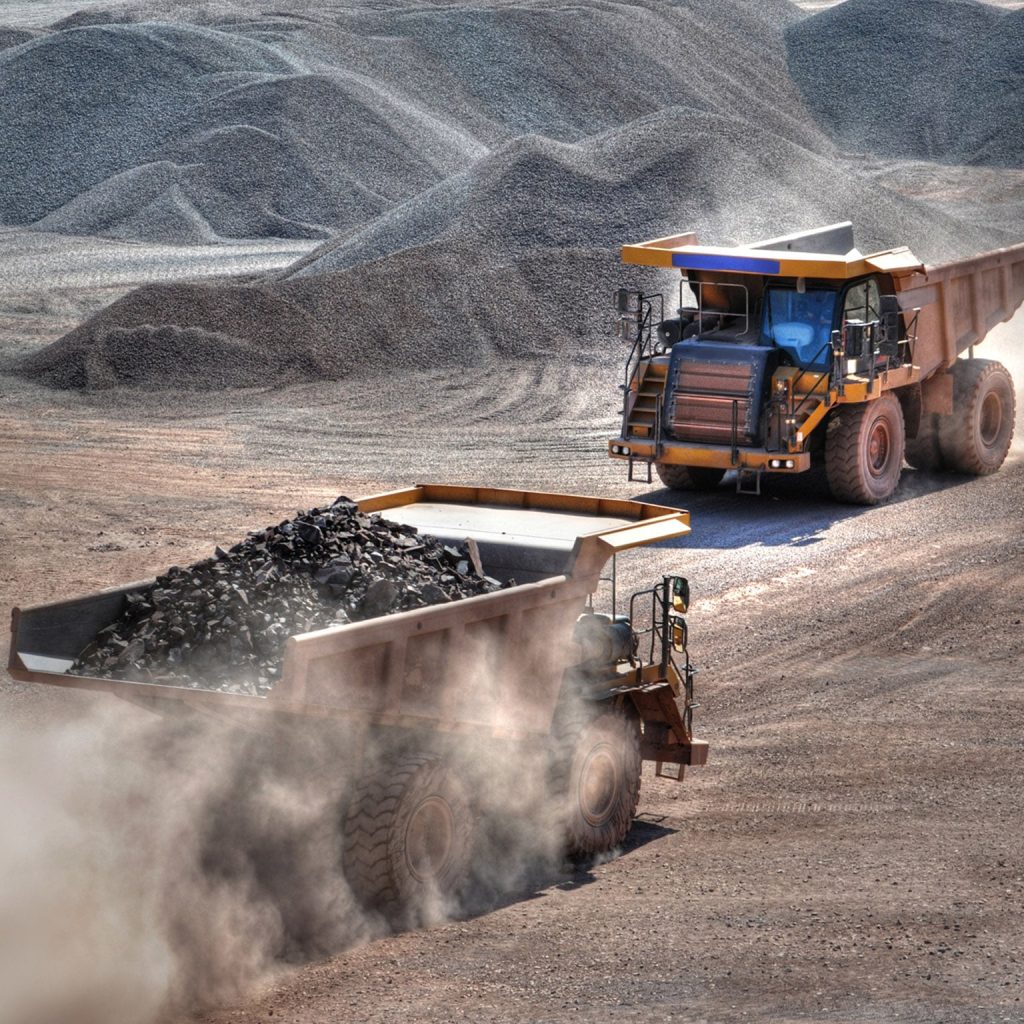
The global mining industry is changing minerals that drove mining activity and profits are slowly being eclipsed by the emergence…

In as far as global trade is concerned Africa has a central role to play. So critical is this role that should Africa be absent from the global trade equation the global economy simply will not prosper. Africa’s mining sector offers in 2022 and going forward a real opportunity for expansion.
Africa’s economic transformation will come from its ability to leverage the comparative advantage position its natural resources offer. Africa needs to become the seventh corridor of the Belt & Road Initiative (BRI). China will be able to enhance its dominance in the global economy if it does more to invest in and develop economic ties with Africa.
Currently the BRI in as far as Africa is concerned restricts the role of Africa to providing access to raw materials.
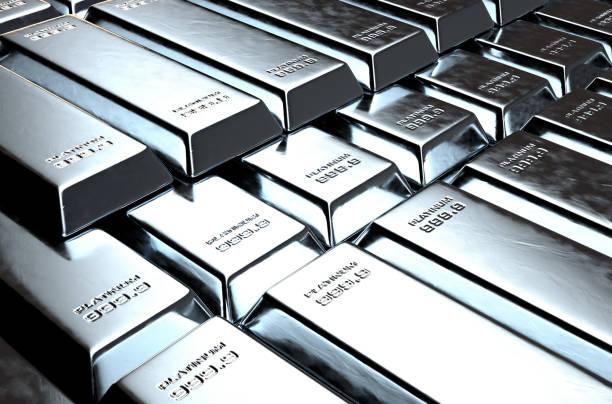
Zimbabwe’s platinum resources are out of reach for most of the investing public. Platinum is one the largest generators of…
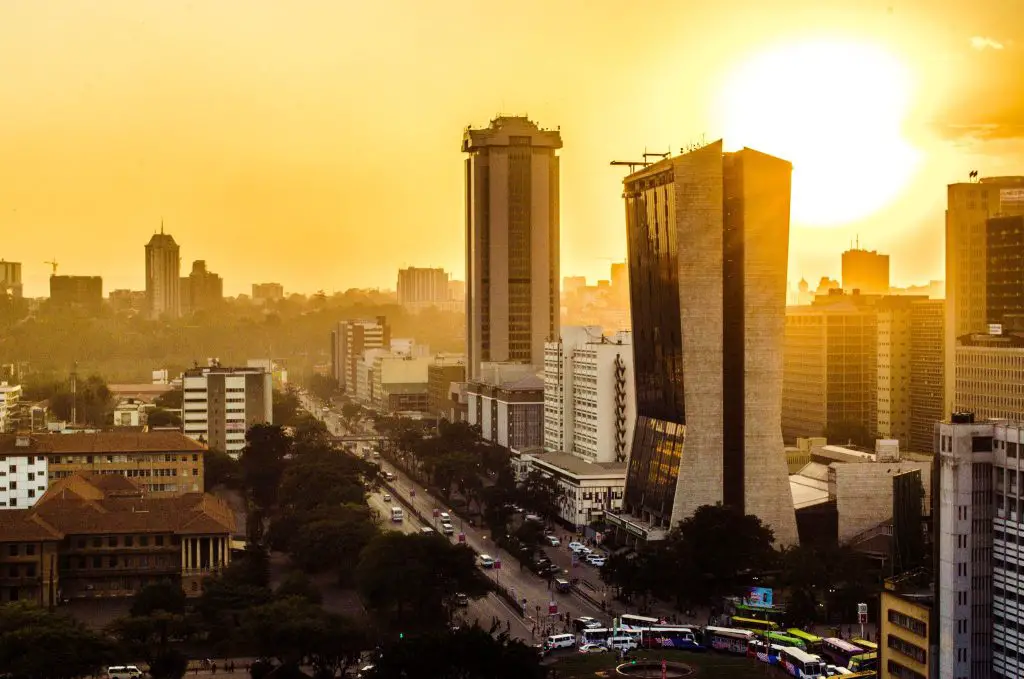
East Africa’s economy is booming, with yearly GDP growth trending upward. The region’s GDP was expected to grow by roughly 5 per cent by 2020. Despite the Covid-19 epidemic, the region increased by 3 per cent in 2021 and is expected to increase to 5 per cent in 2022.
A report published by Lexology on January 18, 2022, Zimbabwe’s economy is largely driven by the mining, agriculture, and tourism sectors. However, because of Zimbabwe’s foreign currency shortages, there is a significant focus on export-oriented and foreign currency-generating activities.
This allows investors, businesses, and the government to retain value and meet the country’s forex needs. Zimbabwe’s main exports are minerals, agricultural produce, and soft commodities. She also has large reserves of chromite, coal, gold, and iron ore, among others. The country is also one of the world’s largest growers of tobacco.
According to research by Mordor Intelligence, Zimbabwe is a signatory of several bilateral and international agreements (MIGA, OPIC, ICSID, and UNCITRAL) that protect the investments of the companies in Zimbabwe. Zimbabwe has cheap educated, and competitive labour, well-developed infrastructure, and easy access to regional and global markets through its membership in AU, COMESA, SADC, COPAC, and CISSA. Zimbabwe offers free movement of investment capital and attractive investment incentives. Zimbabwe allows for 100% Foreign Direct Investment in almost all sectors barring a few.
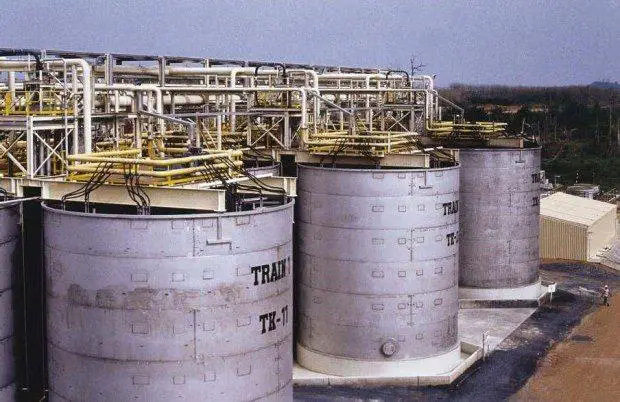
Biological Oxidation is the latest technology that ensures better processing of gold ores with high Sulphur content. Ores at Cam and Motor gold mine have high Sulphur concentration increasing cyanide consumption during the leaching process.
The technology uses bacteria to reduce Sulphur content before cyanidation. The mine is reported to have received 20 litres of bacteria from neighbouring South Africa and has developed enough to feed the three tanks. This innovative solution for the treatment of ores significantly reduces cyanide consumption, therefore reducing operating costs.
The BIOX plant is one of the key projects expected to get the firm’s turnaround strategy back on track. According to RioZim’s abridged press circular, recent geological and metallurgic test work revealed that with the current technology and the grades of ore, Cam and Motor can produce significant amounts of gold at a competitive cost of production.
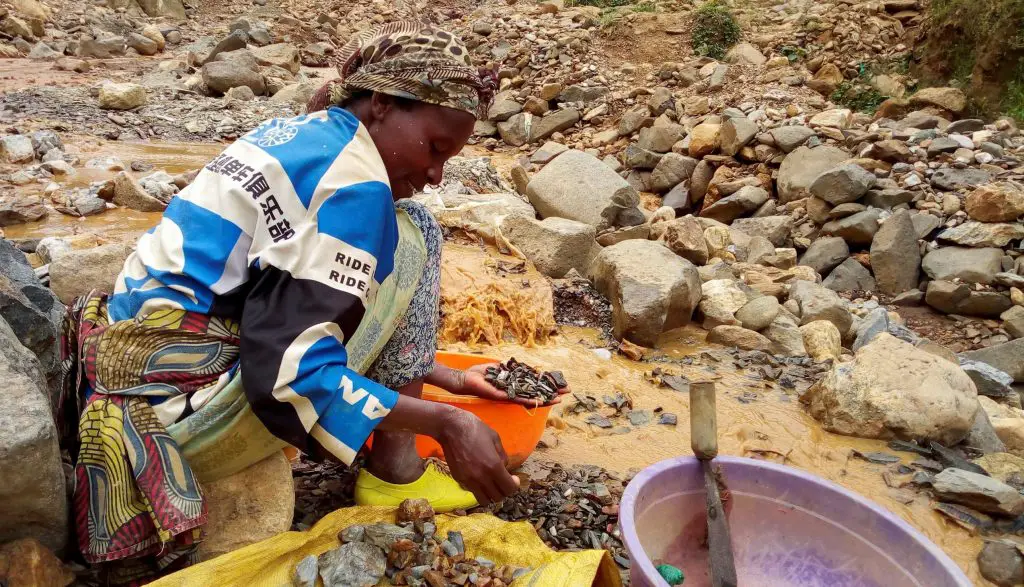
Angola has discovered demanded rare earth minerals for vehicles and wind-farms making Angola targets to become the largest diamond producer…
The company in 2021 generated profits or EBITDA in the region of US$ 20.6 billion from its specified businesses according to its website. For perspective, this EBITDA figure is about the size of the GDP of Zimbabwe. Shareholders of the company received US$ 6.2 billion in 2021. The strong financial showing according to the company was due to increased production which was up 5% year on year, stronger prices for its products and consequently much higher margins.
Cutifani stressed that the solid numbers produced by his company were not just good for shareholders but were good for all stakeholders and the communities where Anglo operates. The company paid US$ 7.1 billion in taxes in 2021. This number was 89% higher than the figure paid in 2020.
The EBITDA margin achieved in 2021 was 56% which was significantly higher than the 35% achieved the previous year. The high margins had a favourable impact on profitability resulting in earnings per share (EPS) of US$ 7.22. The higher margins achieved in this year were also responsible for the increased return on capital employed (ROCE) of 43% in 2021 against a standard of 15%.
Notwithstanding the high metric for ROCE, the company projects that this metric will grow even more still to anywhere between 45% and 50% from 2023 going forward. This is expected to come on the back of improved costs and prices.
The company made significant headway in terms of deleveraging its balance sheet in 2021. It ended 2020 with US$ 5.5 billion and ended 2021 with US$ 3.8 billion.