


Trending
- Africa’s Green Economy Summit 2026 readies pipeline of investment-ready green ventures
- East Africa banks on youth-led innovation to transform food systems sector
- The Washington Accords and Rwanda DRC Peace Deal
- Binance Junior, a crypto savings account targeting children and teens debuts in Africa
- African Union Agenda 2063 and the Conflicts Threatening “The Africa We Want”
- New HIV prevention drug is out — can ravaged African nations afford to miss it?
- From banking to supply chains, here’s how blockchain is powering lives across Africa
- Modern railways system sparks fresh drive in Tanzania’s economic ambitions


Browsing: Monetary Policy Committee (MPC)
Remittance inflows for March grew to $407.8 million, up from $385.9 million in February, with the US maintaining its lead…
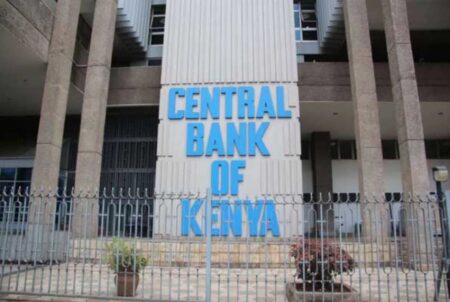
The Central Bank of Kenya benchmark rate has gone up to 12.5 per cent from 10.5 per cent. Developing economies…
The loan market in Kenya’s banking sector is going through one of its toughest periods in nearly two decades. With interest rates on the rise and a challenging economic environment, many borrowers—individuals and businesses—are finding it hard to meet their loan obligations.
According to the most recent data from the Central Bank of Kenya (CBK), the proportion of loans that are not being repaid, known as non-performing loans (NPLs), reached 15.0 percent in August 2023, up from 14.2 percent in August 2022. This represents more than $4 billion (Ksh596 billion), the highest it has been in 18 years. The last time Kenya experienced such a high level of loan defaults was back in 2005, when it reached nearly 30 percent.
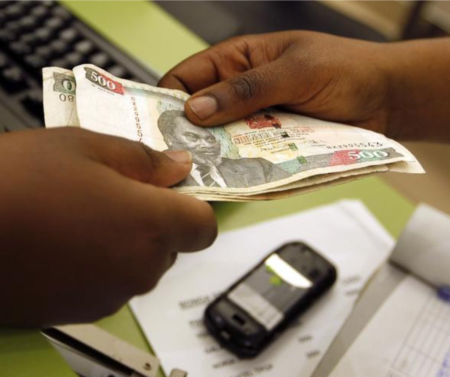
Kenya’s private sector and households are grappling with costly credit, a government report now indicates, curtailing key investments by firms and individuals despite a stable financial sector. One of the main criticisms of the credit market in Kenya is that the cost of credit and the interest rate spread by the banking sector is high.
On average, the annual interest rate for the Kenyan banking sector is within a range of 12 per cent to 14 per cent for various categories of loans offered, according to the Kenya Economic Report 2023 by the Kenya Institute for Public Policy Research and Analysis (KIPPRA).

Ghana finds itself in the classic emerging market trap. This comes from owing too much in someone else’s currency when the global economic tide turns. One ought not to read too much into an emerging economy getting creative with money or to confuse the confiscation of private assets with a more conventional process of fiscal retrenchment that would gain IMF approval. If the plan succeeds, Ghana may have saved itself from an economic meltdown, especially in a period widely considered as economic turmoil, per the World Bank’s analysis of the 2023 economy.

Egypt’s annual urban consumer inflation rose to 7.2 per cent in January from 7.1 per cent in December, the Central…

The Central Bank of Kenya (CBK) has retained its benchmark lending rate at 9.0 per cent for the sixth straight…
In yet another review of the country’s macroeconomics, Kenya’s Central Bank has held the benchmark lending rate at 9 per…