
Trending
- Africa’s Green Economy Summit 2026 readies pipeline of investment-ready green ventures
- East Africa banks on youth-led innovation to transform food systems sector
- The Washington Accords and Rwanda DRC Peace Deal
- Binance Junior, a crypto savings account targeting children and teens debuts in Africa
- African Union Agenda 2063 and the Conflicts Threatening “The Africa We Want”
- New HIV prevention drug is out — can ravaged African nations afford to miss it?
- From banking to supply chains, here’s how blockchain is powering lives across Africa
- Modern railways system sparks fresh drive in Tanzania’s economic ambitions


Browsing: Oil and Gas
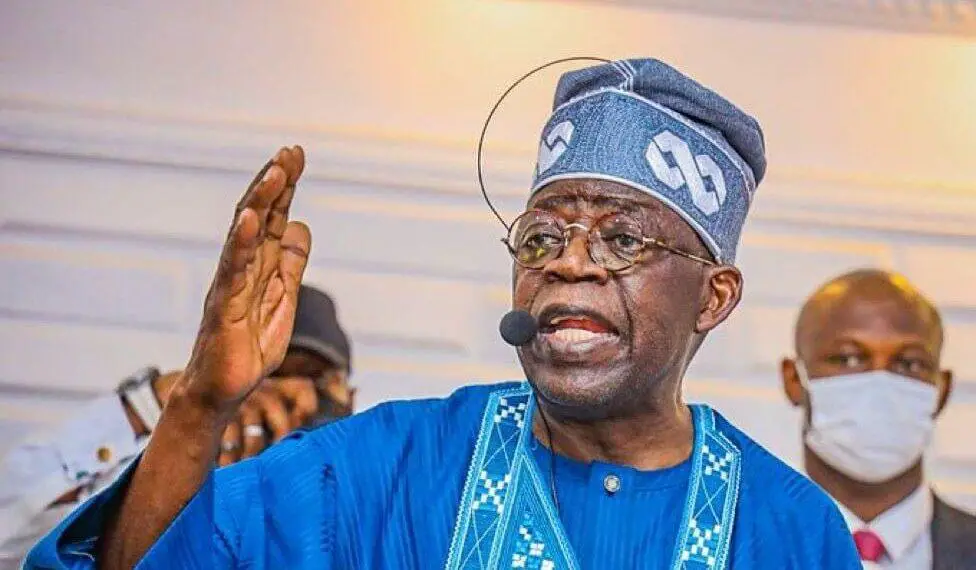
Nigerian presidential contenders must confront persistent insecurity, chronic unemployment, and a deteriorating economic outlook. Bola Tinubu outlined his vision before the Nigeria elections in 2023 in an 80-page paper released by President Muhammadu Buhari at a lavish ceremony on October 21, 2022.
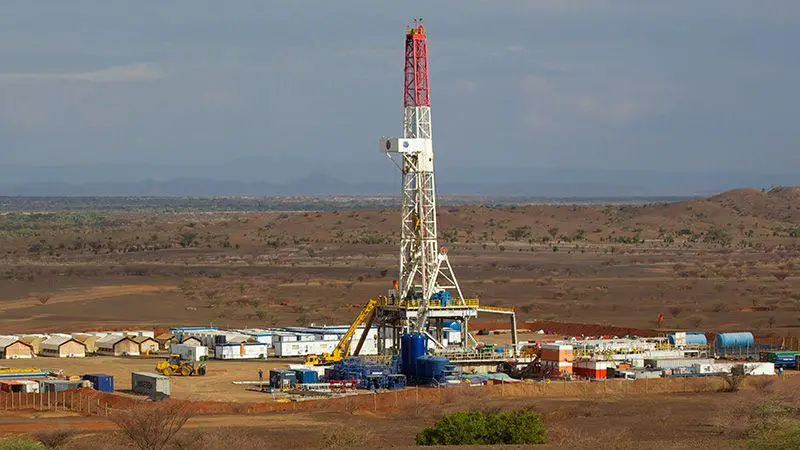
Kenya first announced the discovery of oil in Block 10BB and 13T in Turkana in March 2012.
This became a beacon of hope for the nation, to massively spur economic growth through the so-called ‘petro-dollars’. Currently, Tullow is the project operator and has a 50 per cent stake, while Africa Oil Corp and Total Energies hold 25 per cent each. However, the country is yet to fully commercialize crude oil production. Hitherto, Kenya’s petrodollar dream has only experienced delays and missed deadlines. The project stalled as the companies’ focus was on mitigating debt and finalizing its development programme.
The major road block has been a lack of sufficient working capital, which has led to a scale back in activities to minimize capital investment, until both a strategic partner and the Final Development Plan (FDP) are approved. Since the start of the year, the firm has been engaged in discussions with the government, on the approval of its FDP and securing their deliverables thereof. Currently, the government has extended the review period of the FDP to the November 6, 2022.
“These items require satisfactory resolution before the Group can take a final investment decision. Due to the binary nature of these uncertainties, the Group was unable to adjust the cash flows or discount rates appropriately,” Tullow explained.
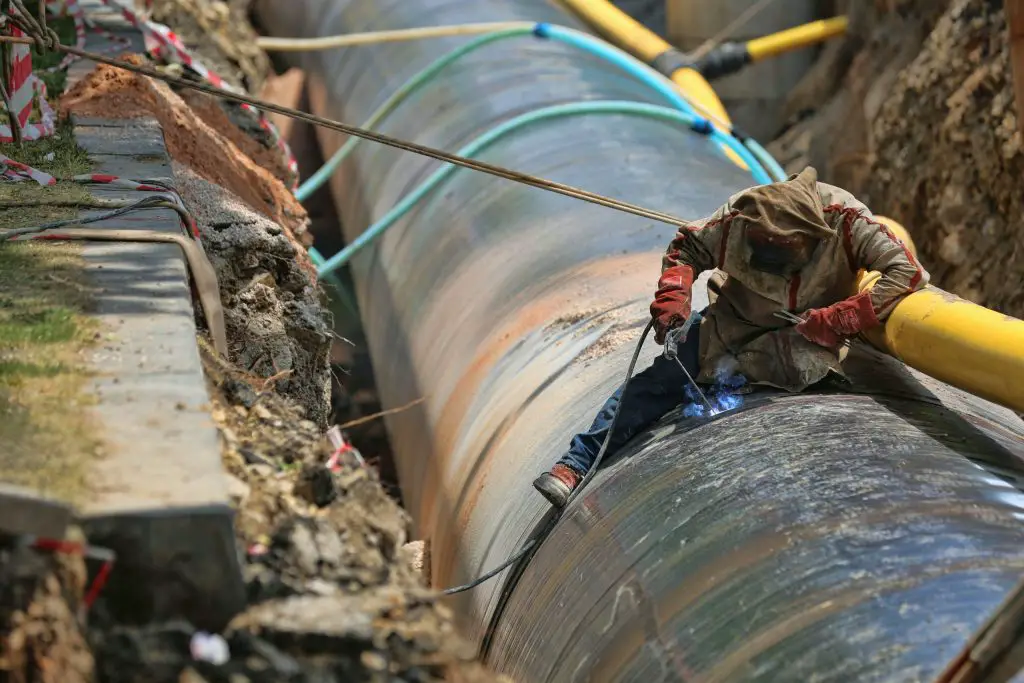
What is good for the goose must also be good for the gander. However, the EU commission has commissioned the Baltic pipe project, somewhat similar to the EACOP. The Baltic Pipe project was inaugurated on September 27, 2022, at an opening ceremony in Goleniów, Poland.
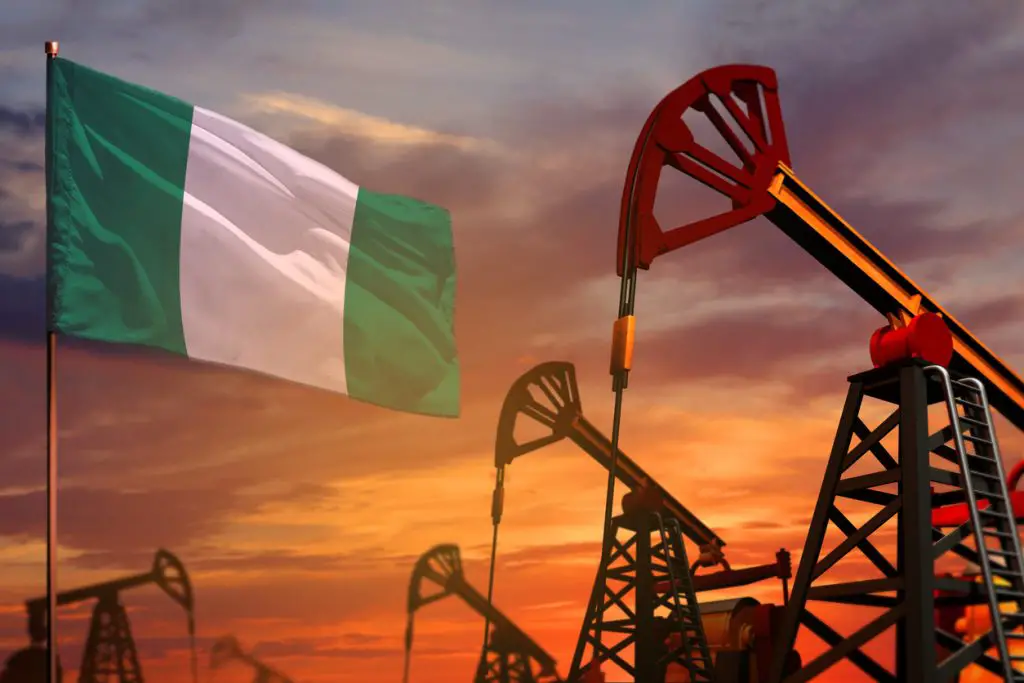
There is still plenty to accomplish. Even after a year, the PIA is still in a transitional period, with committees deliberating its practical implications. One seasoned Nigerian expert questioned how much the NNPC would change due to its transition into a limited liability corporation. Still, post-PIA data suggests that Nigeria’s oil and gas industry may be moving in the right direction.
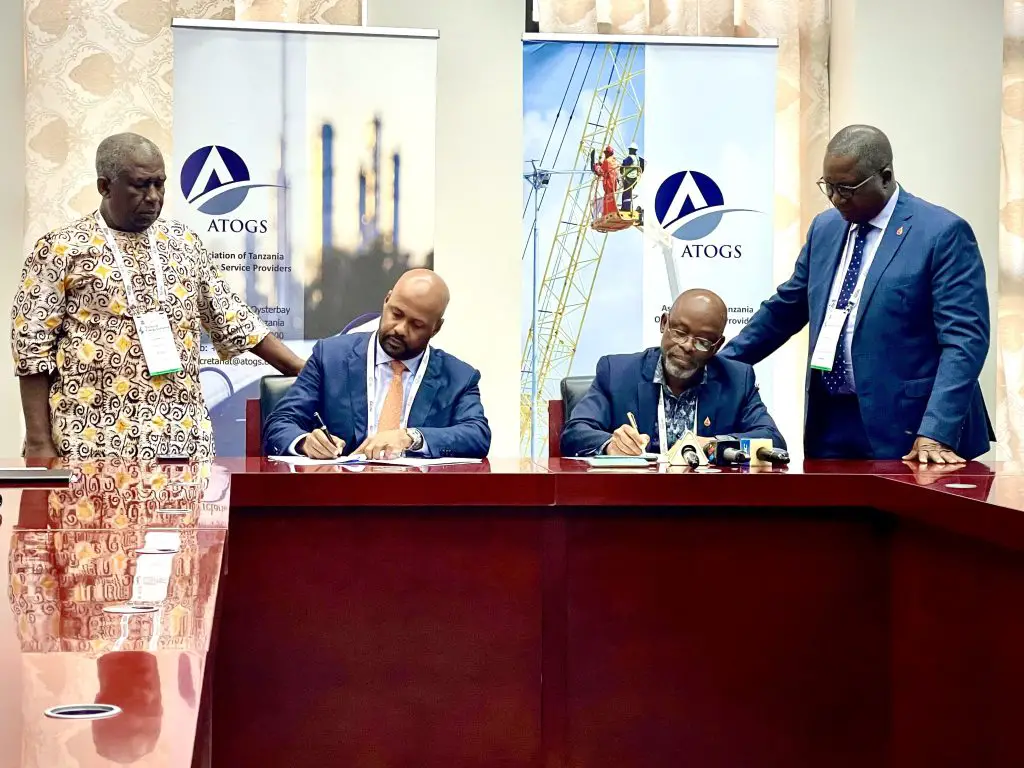
The second issue the MoU covers is building capacity on health and safety standards, which is another key disqualifier marked on local companies when competing with global actors in the oil and gas market.
Further, the MoU brings onboard knowledge to help the local technocrats, upcoming companies, and experts submit and succeed at various tenders offered on the international markets. In most cases, local companies have lost tender bids to experienced foreign companies.
“We need the local players to understand deeply about these oil and gas related tenders and deliver within the internationally recognized standards”, He added.
The ATOGS chief didn’t hold back his grand ambition to transform Tanzania’s business operations for the greater good, highlighting Nigeria’s success story.
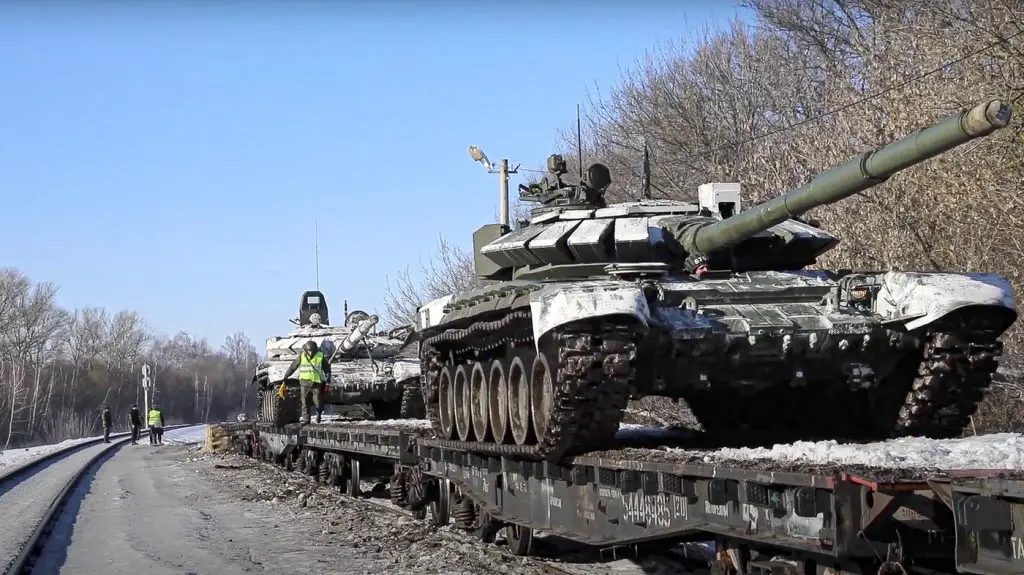
Every African region has felt the effects of Russia’s invasion of Ukraine, with West Africa also bearing the burden of…
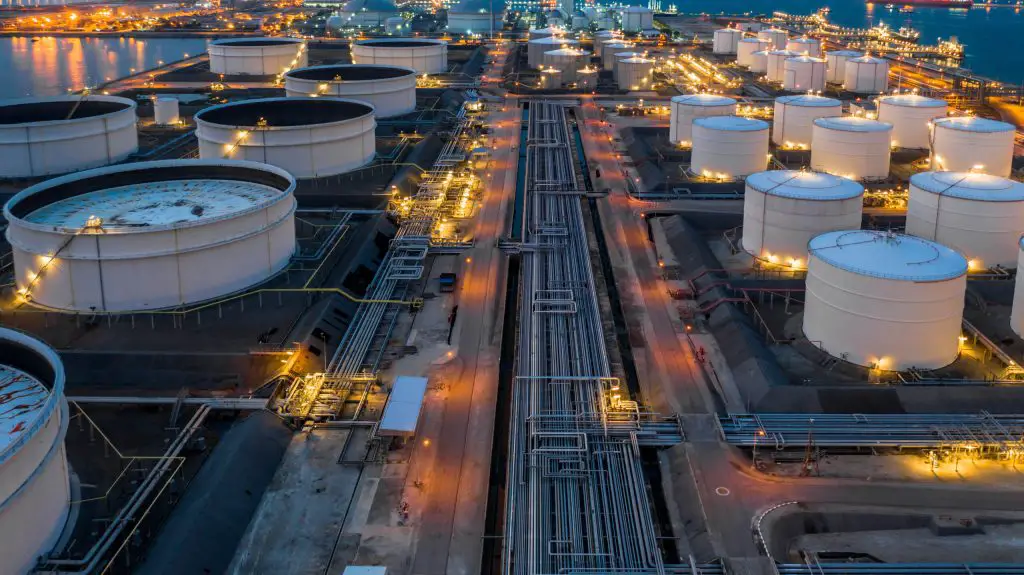
The European Union has imposed restrictions, including a partial oil embargo on Russia. The sanctions will see the E.U. ban seaborne imports of Russian crude oil by the end of 2022. Additionally, petroleum product imports would stand prohibited by early 2023. European Commission President Ursula von der Leyen reiterates the E.U. plans to reduce reliance on Russian fossil resources by 2027.
Because of the European Union’s political determination to minimize its reliance on Russia in response to Moscow’s invasion of Ukraine, the E.U. is now searching for alternative suppliers. The search implies that suppliers such as Africa’s underdeveloped frontier energy markets may discover new energy markets in Europe. Optimism remains high since it is clear the E.U. no longer rely on Russian gas. Russia has for years remained a primary gas supplier in Europe.
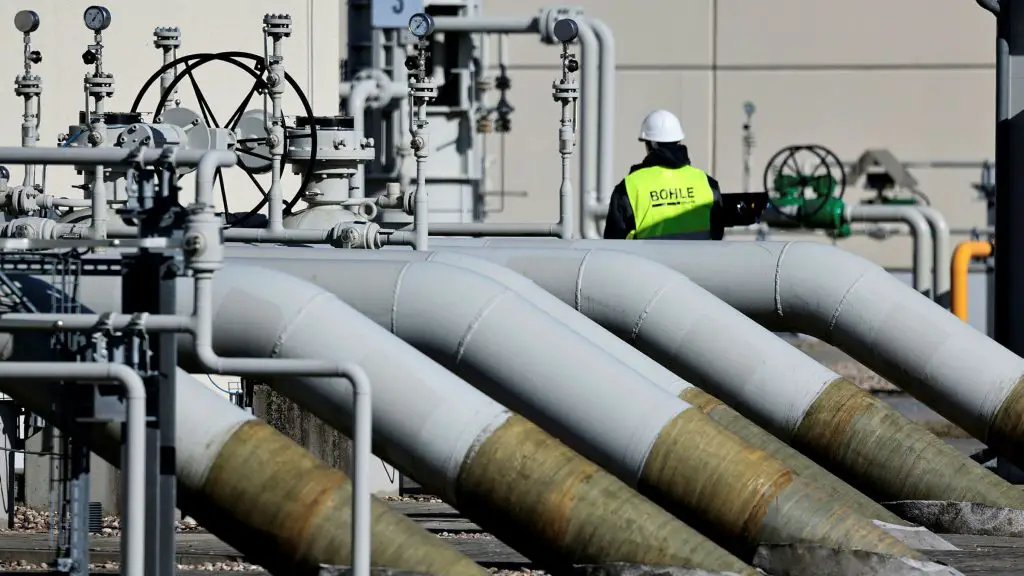
Most African natural gas and oil sources lie in sub-Saharan Africa, including Nigeria, which possesses around one-third of the continent’s reserves, and Tanzania, opportunities Germany should seize.
The proposed Trans-Saharan pipeline would transport gas from Nigeria to Algeria via Niger, traversing a vast, ungoverned area. The proposed pipeline, if built, will connect to the current Galsi, Medgaz, Maghreb-Europe, and Trans-Mediterranean pipelines, which supply Europe from transmission centres on Algeria’s Mediterranean coast.
The Trans-Saharan pipeline would be almost 2,500 miles long. It could send up to 30 billion cubic meters of Nigerian gas to Europe yearly, roughly two-thirds of Germany’s Russian imports in 2021. Unfortunately, the Trans-Saharan pipeline will likely take a decade or more to complete and will face several hurdles as it passes through war and insurgency-ridden areas.
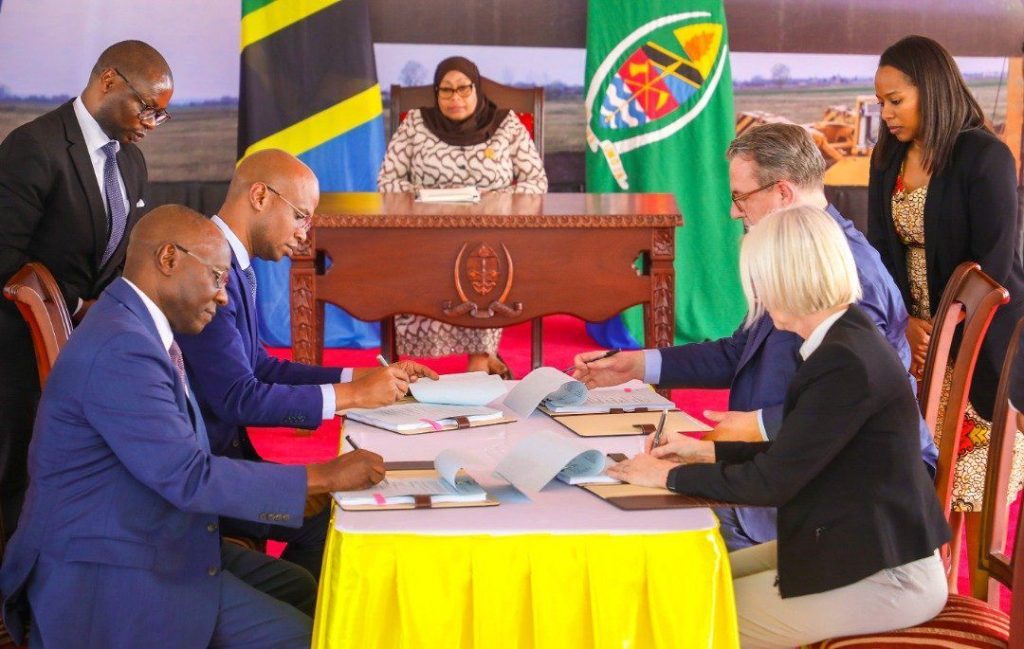
Earlies this month, the government of Tanzania demonstrated how serious the nation is with a big deal sealed in the nation’s capital, Dodoma, on Saturday (11 June).
The Government of Tanzania and its partners, including global industry giants Equinor, Shell and ExxonMobil, have set the bar so high with a historic Host Government Agreement (HGA), which will realize ambitious gas and Liquified Natural Gas (LNG) mega project.
The $30 billion natural gas project aims to produce 10 million tons per annum of LNG for export with transformational potential for industrialization by bringing investment, technology, skills and infrastructure to the country, which will benefit Tanzanian businesses and its citizens.
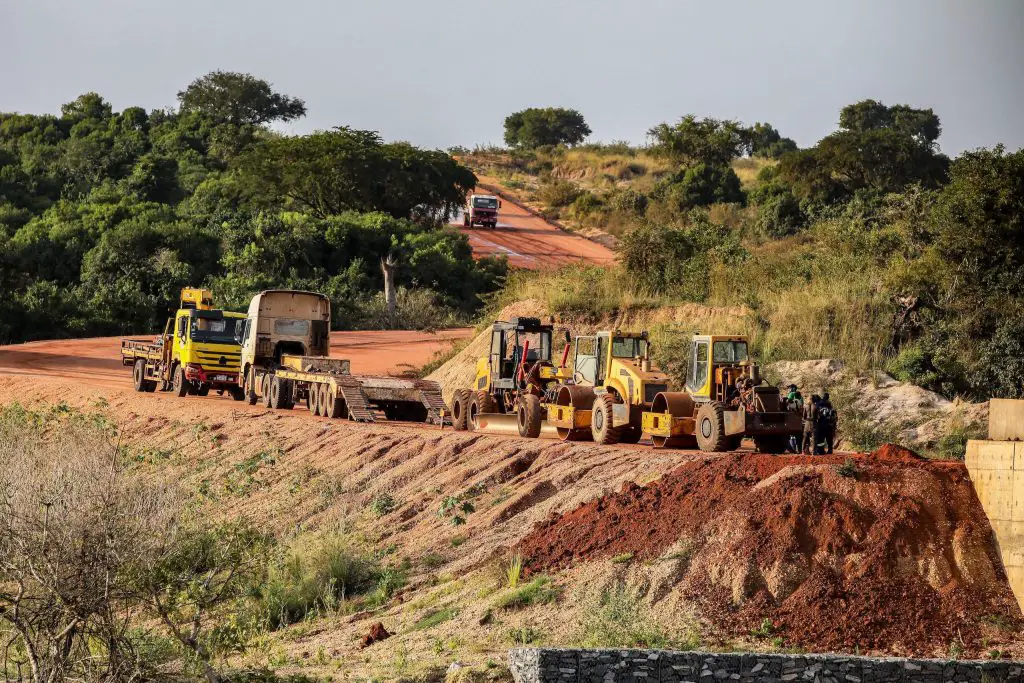
The EACOP is one of the biggest oil project in Uganda The total investment has reached $10 billion Uganda will…