Trending
- AI’s Dual Capacity and a Strategic Opportunity for African Peace and Security
- How African economies dealt with the 2025 debt maturity wall
- Africa’s Green Economy Summit 2026 readies pipeline of investment-ready green ventures
- East Africa banks on youth-led innovation to transform food systems sector
- The Washington Accords and Rwanda DRC Peace Deal
- Binance Junior, a crypto savings account targeting children and teens debuts in Africa
- African Union Agenda 2063 and the Conflicts Threatening “The Africa We Want”
- New HIV prevention drug is out — can ravaged African nations afford to miss it?


Browsing: South Sudan
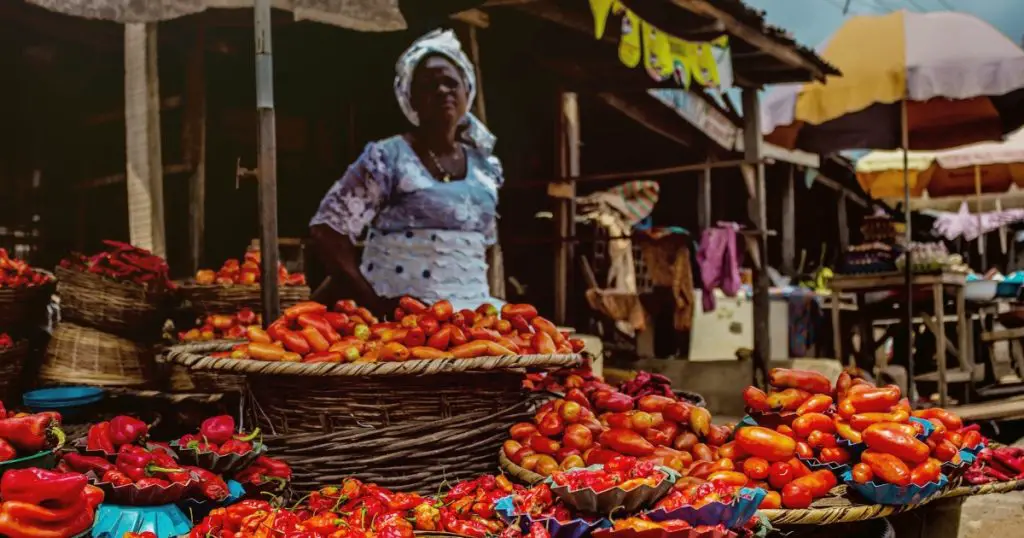
South Sudan will receive $8.1million from the African Development Bank (AfDB) to address food The funds will support South Sudan’s…
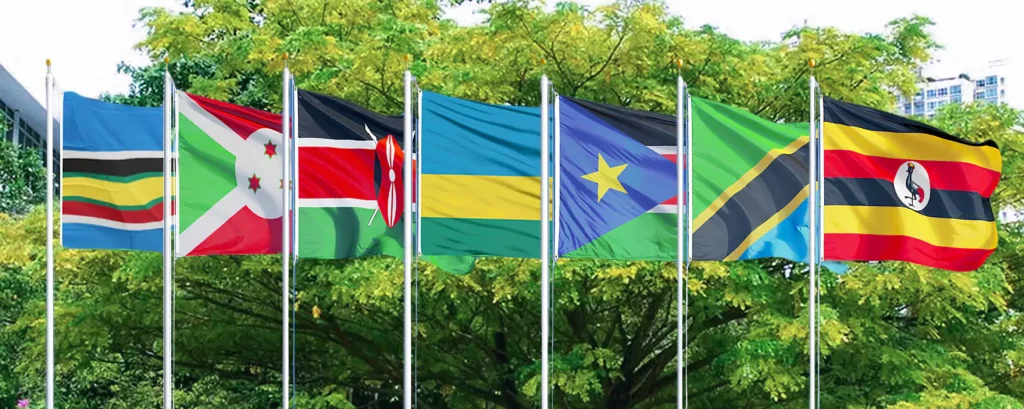
With the recent addition of the DRC to the East African region, landlocked countries have found an alternative port of entry in the Atlantic Ocean. The swiftness of trade with two ports of entry and the region’s strategic location will be incomparable to any other region on the continent.
The East African Federation would be the fourth largest country in both population and landmass, trailing after China, India and the United States. President Uhuru Kenyatta says that the federation would have over 300 million people.
The gross domestic product for the region will sum up to US$250 billion, the fourth-largest in Africa and the 34th biggest globally. Since the beginning of the last decade, East Africa has had the fastest growing economy globally. In 2019, the region’s economy grew by about 5 per cent. If the federation continues with this growth rate, the new country would quickly become the biggest superpower in Africa.
The EAF would become Africa’s largest superpower precisely because of the weaker nations surrounding the region. Among the languages official languages suggested in the region will be English and Swahili.
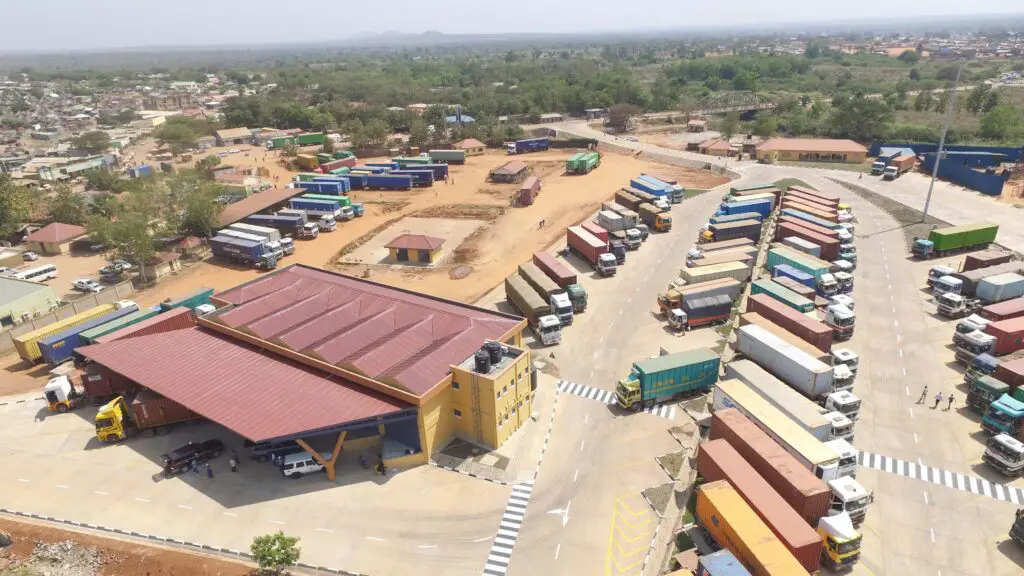
South Sudan joined the East African community joined the EAC in April 2016, after being the youngest nation to gain independence on July 9, 2011. In 2020, South Sudan’s exports summed up to US$87 million to the EAC member states, while imports amounted to US$573 million.
In contrast to the year 2016, the exports and imports to the same stood at US$2.6 million and US$400 million respectively.
According to the International Trade Center, South Sudan exported US$86 million and imported US$357 million from Uganda in 2020.
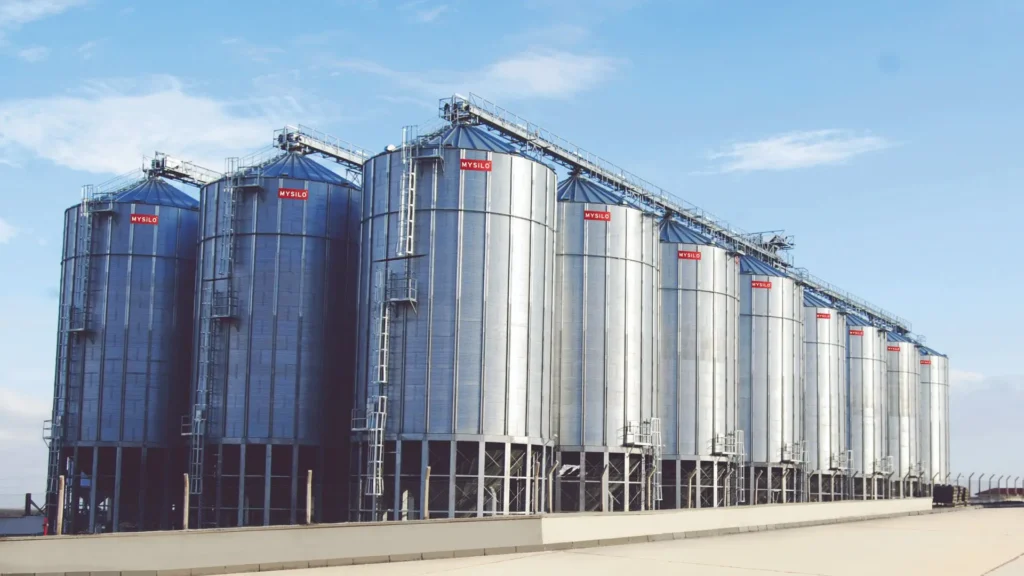
The Tanzania Cereals and Other produce Board (CPB) reported that the grain stores in Juba and Lubumbashi were already experiencing a vibrant business environment. They also expected the Mombasa facility to outperform the two.
According to the 2019 Statistics, Tanzania exported more than 97,000 tonnes of maize. This factor opened the country to the opportunity of launching its grain surplus scheme with the Southern Agricultural Growth Corridor of Tanzania (SAGCOT).
SAGCOT was established in 2010 to create a transformed and economically viable agricultural sector in Tanzania that protects food security, enhances environmental sustainability, and improves livelihoods. The Agricultural growth corridor uses 350,000 hectares in the fertile southern islands of Tanzania to grow maize, wheat, paddy, sorghum, cassava, millet, beans, bananas and sweet potatoes.
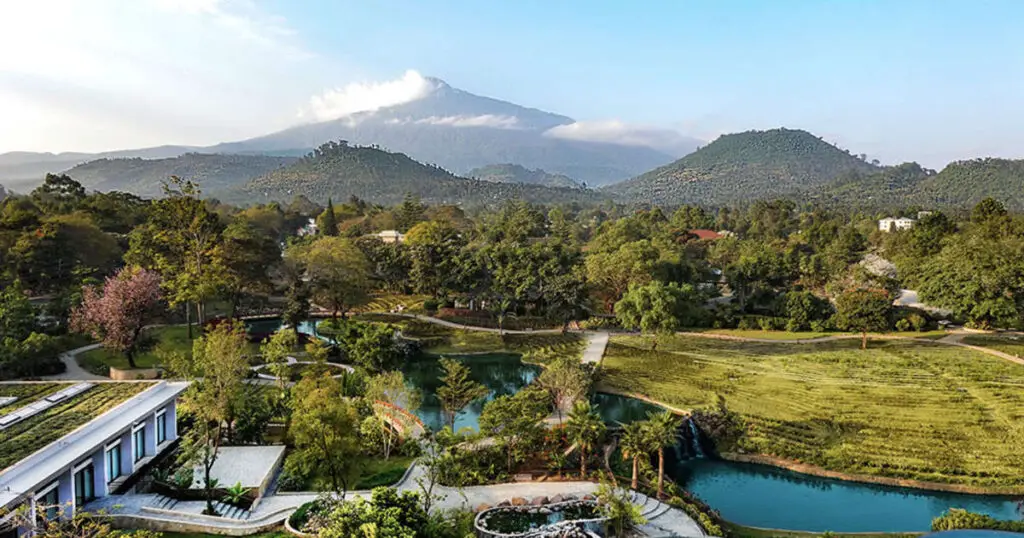
The number of tourists arriving in Tanzania has increased an impressive 52% between January and November 2021 and with it,…
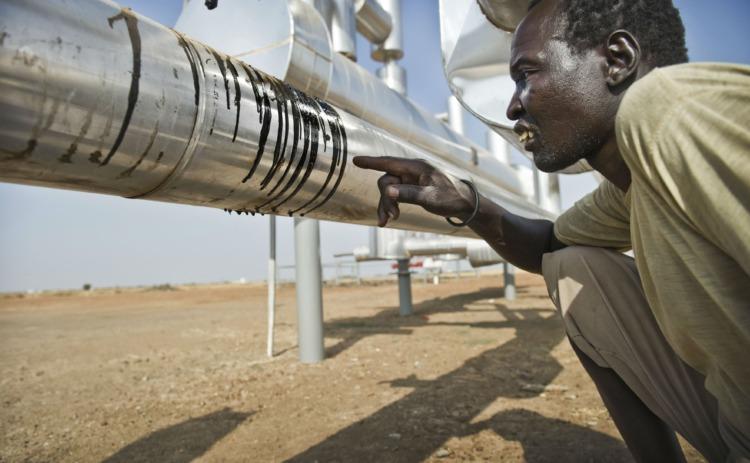
The costs for South Sudan conflicts could reach a staggering range of between $22 billion and $28 billion over the…
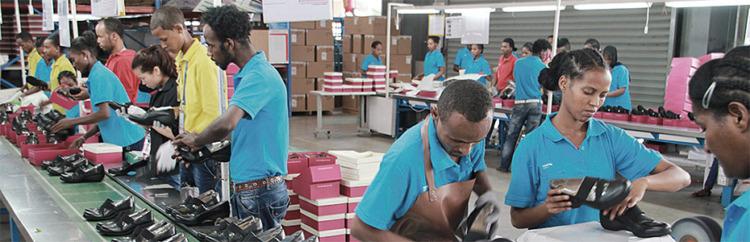
That year, in 2015, Kenya, Rwanda, Uganda, and Tanzania settled for a three-year plan to phase out the importation of used clothes, a major exporter been the United States. To realise the intended ban, taxes were increased on second-hand clothes were increased effectively deterring their importation. The plan was to completely ban the import of second-hand clothes as of 2019.
This ambitious vision was never realized as the Trump administration issued an ultimatum for EAC to rescind the ban on second-hand clothes by 23 February 2018 or, as the DW writer Isaac Mugabi puts it ‘face the consequences.’
NAIROBI, Kenya, Jun 14 – South Sudan will benefit from two new projects totaling $116 million that aim to strengthen…
With a view to nation-building and inclusive growth, South Sudan is seeking investment in hydrocarbon exploration, infrastructure development and power…
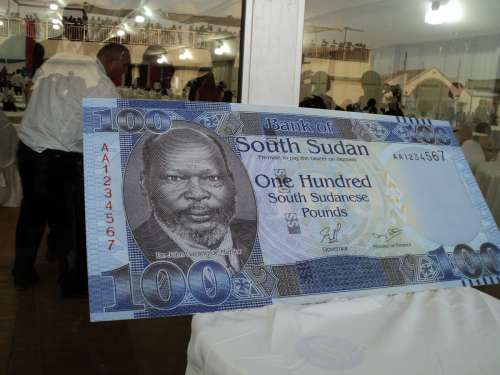
The guns on the plains of South Sudan seem to have fallen silent. But there is a more severe battle…