


Trending
- Africa’s Green Economy Summit 2026 readies pipeline of investment-ready green ventures
- East Africa banks on youth-led innovation to transform food systems sector
- The Washington Accords and Rwanda DRC Peace Deal
- Binance Junior, a crypto savings account targeting children and teens debuts in Africa
- African Union Agenda 2063 and the Conflicts Threatening “The Africa We Want”
- New HIV prevention drug is out — can ravaged African nations afford to miss it?
- From banking to supply chains, here’s how blockchain is powering lives across Africa
- Modern railways system sparks fresh drive in Tanzania’s economic ambitions


Browsing: wheat

Tanzania is intensifying efforts to shift from subsistence to commercial agriculture by tripling its agriculture budget and investing in new…
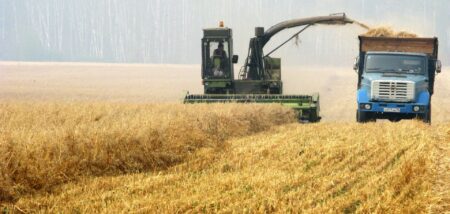
Drought and bad weather in Russia have left the country staring at record-low production. This is bad news for key…
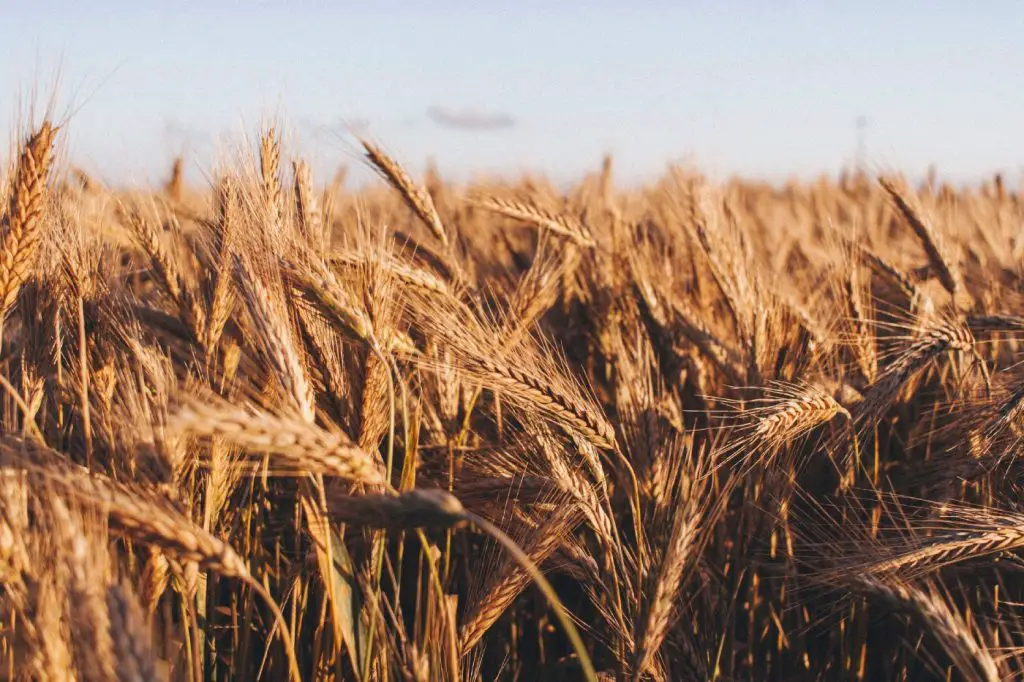
Dr. Tiberio Chiari, former Manager of the Agricultural Value Chains Programme in Oromia- Ethiopia, within the Ethio-Italian Development Cooperation Framework, offers some of these efforts that the government has implemented in the Ethiopian wheat value chain that other African countries can learn from.
Launch and execution of suitable growth policies
The government keeps working harder to ensure the country’s current dependence on wheat importation (of about 1.7 million tonnes) is fully nullified. After years of field experimentation, in 2021, the Ethiopian government launched its new plan.
The objective of the plan is to cut down the import of wheat by producing during the cold season in pastoral dry areas currently available in the Awash, Omo and Shebelle river basins. The approach includes the cultivation of 400,000 hectares of land and the deployment of a large-scale commercial farming model to achieve a productivity of 4.4 tonnes/ha.

Every African region has felt the effects of Russia’s invasion of Ukraine, with West Africa also bearing the burden of…
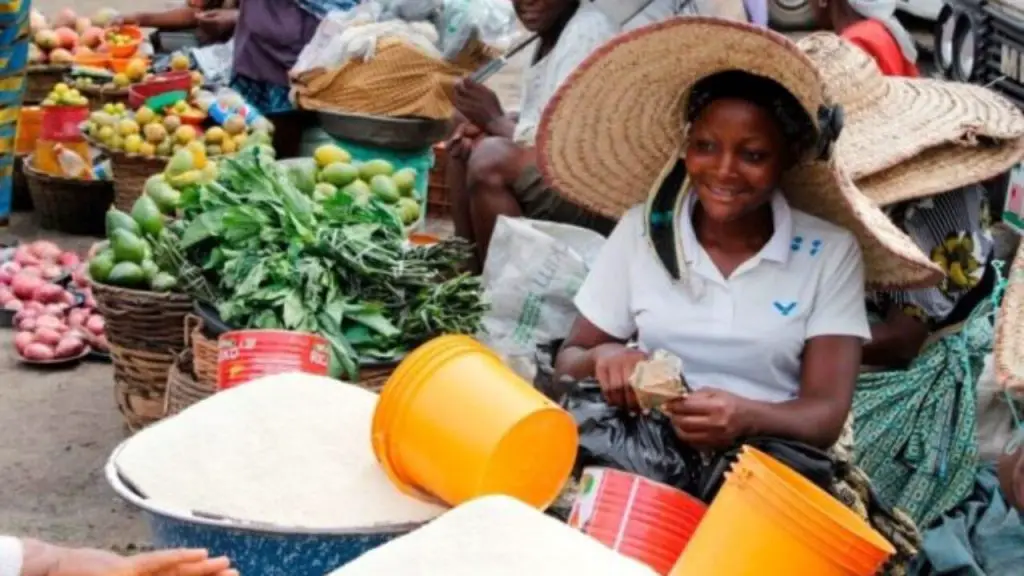
Rising costs have remained a critical issue in the aftermath of the outbreak. Data from the World Bank/NBS Nigeria – COVID-19 National Longitudinal Phone Survey 2020 reveals that food prices rose rapidly following the pandemic. In March and April, basic food commodity prices increased by 17.2 per cent and 18.37 per cent, respectively. According to the National Bureau of Statistics (NBS), the rise remains the highest in two years.
Recent findings based on comprehensive and long-term monthly food price data have revealed considerable price rises for all chosen food categories during the pandemic. Imported rice and wheat costs, for example, have climbed by 41% and 21%, respectively.
Wheat prices surged by 21% nationally, with considerable increases in price dispersion across markets when the epidemic began, and prices continue to grow.
Wheat is the main component of bread and other products such as noodles, pasta, semolina, and other Nigerian pantry staples. The consumption of these items is higher in cities due to easier market access than in rural regions. Nevertheless, bread remains a major staple throughout the country.