


Trending
- Africa’s Green Economy Summit 2026 readies pipeline of investment-ready green ventures
- East Africa banks on youth-led innovation to transform food systems sector
- The Washington Accords and Rwanda DRC Peace Deal
- Binance Junior, a crypto savings account targeting children and teens debuts in Africa
- African Union Agenda 2063 and the Conflicts Threatening “The Africa We Want”
- New HIV prevention drug is out — can ravaged African nations afford to miss it?
- From banking to supply chains, here’s how blockchain is powering lives across Africa
- Modern railways system sparks fresh drive in Tanzania’s economic ambitions


Browsing: Zambia
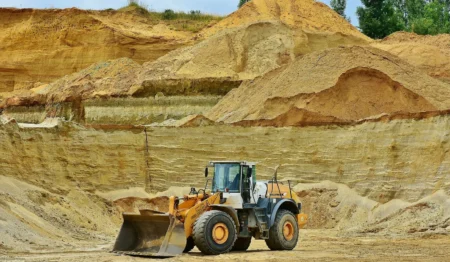
Africa is home to nearly all the valuable minerals that are essential to generating wealth, producing commodities, and advancing technology. Approximately 30 per cent of the world’s mineral reserves are in Africa, but most mineral-rich countries remain poor with little to celebrate. Some of the key minerals found in Africa include oil, diamonds, gold, silver, copper, cobalt, coal, iron ore, uranium, and platinum.
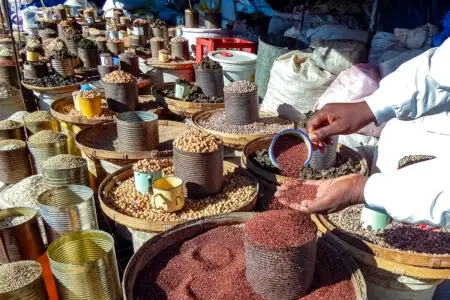
Commodity exchanges are organized marketplaces that facilitate the trading of agricultural commodities such as grains, livestock, and even precious metals.…
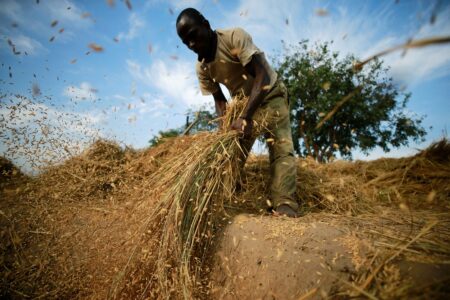
One in five people in Africa suffers from hunger. With the rising population, action is necessary to ensure access to…
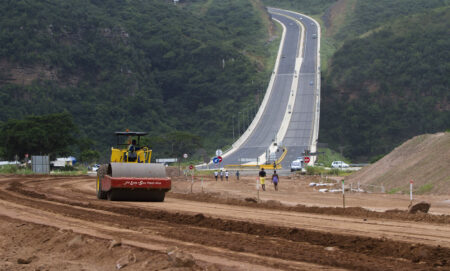
Population growth and economic development have necessitated speeding up and scaling up infrastructure development in Africa. Over 28 African nations have seen population growth of more than double in the last 30 years. The population of 26 other African countries will quadruple over the next 30 years. Consequently, funding for the continent’s infrastructure has become essential.
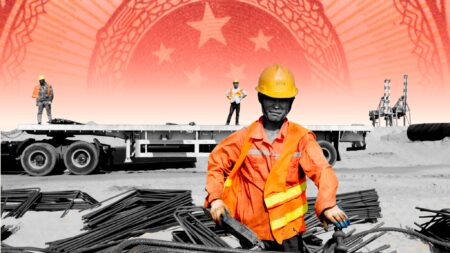
In the last 20 years, Africa’s external debt has grown fivefold to about $700 billion. According to Chatham House, a policy centre in London, Chinese lenders account for about 12 per cent of that amount. As of November 2022, the International Monetary Fund (IMF) and the World Bank considered 22 low-income African countries to either be in debt distress or facing potential external debt distress.

Lithium battery industry to grow over 30 percent annually from 2022 to 2030 Market value for lithium batteries to exceed…
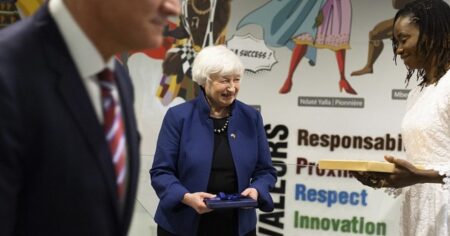
The United States has been working to increase its economic and political engagement with Africa in recent years. Yellen arrived…
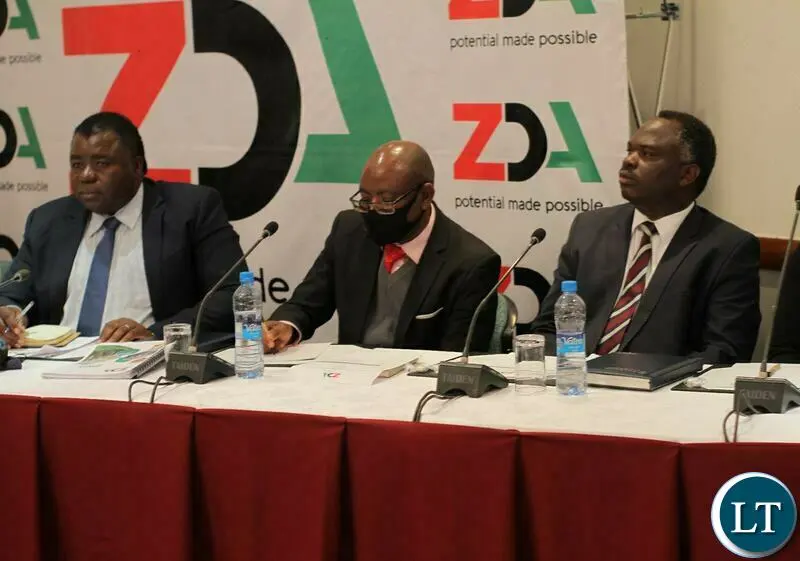
Halwampa said ZDA anticipates to increase its performance next quarter through the prospected revision and enactment of the ZDA, and the Investment Trade and Business Development bills into law which will support domestic investment, trade and business development in Zambia.
He further added that the implementation of the US$50, 000 thresholds for local investors will attract local investors to come on board to invest in their own country.
Halwampa has since called on local investors to take interest in investing in the southern African country and take advantage of the favourable environment which government has created to support local investors.
To have only 3 of the eligible countries in Africa signing up for the initiative is tragic especially given the global economic environment of the world presently. A crippling sovereign crisis is looming on the African horizon. Catalysts of the crisis include a strong United States dollar which has been resurgent during the year.
Debt on the on the books of most African countries is denominated in the greenback and its strength will have an adverse impact on their public finances and their ability to service their loan obligations timeously.
This problem is further compounded by rising interest rates which are certain to make the cost of debt that much more expensive for countries that already cannot afford to be overextended financially.
The debt of most African countries is in the hands of private creditors who in recent time have become as important as their multilateral counterparts. These private creditors are less likely to be concessionary in terms of discussions around restructuring of debts.

New Zimbabwe went on to report that the court ruled that in the case of First Merchant Bank failing to reimburse Shah and his company, the Bank of Zambia was held liable and, in the alternative, the Attorney General was ordered to pay if the funds could not be found. The culmination of this dispute is that Shah and his company are in for a particularly large windfall of cash. The reclusive Indian business tycoon is said to have business interests in Zimbabwe, Zambia, and India.
Despite his wins in business Jayesh Shah has never successfully shaken off the controversy that comes from the notable success a person enjoys in any endeavour. Success always breeds as many admirers as it does critics. Tendai Biti, who was Zimbabwe’s finance minister at one time during the Government of National Unity, called Jayesh Shah a “loan shark of Indian descent”.
The opposition leader made this highly disparaging remark after revelations that Jayesh Shah and another equally controversial business, Nicholas van Hoogstraten were providing cash loans to Zimbabweans against their immovable properties on unsustainable and usurious terms when the inevitable eventuality of default occurred by the borrowers, the lenders Jayesh Shah and Nicholas van Hoogstraten would move in and realize the property against which the original loan was secured.