


Trending
- Africa’s Green Economy Summit 2026 readies pipeline of investment-ready green ventures
- East Africa banks on youth-led innovation to transform food systems sector
- The Washington Accords and Rwanda DRC Peace Deal
- Binance Junior, a crypto savings account targeting children and teens debuts in Africa
- African Union Agenda 2063 and the Conflicts Threatening “The Africa We Want”
- New HIV prevention drug is out — can ravaged African nations afford to miss it?
- From banking to supply chains, here’s how blockchain is powering lives across Africa
- Modern railways system sparks fresh drive in Tanzania’s economic ambitions


Browsing: Zambia
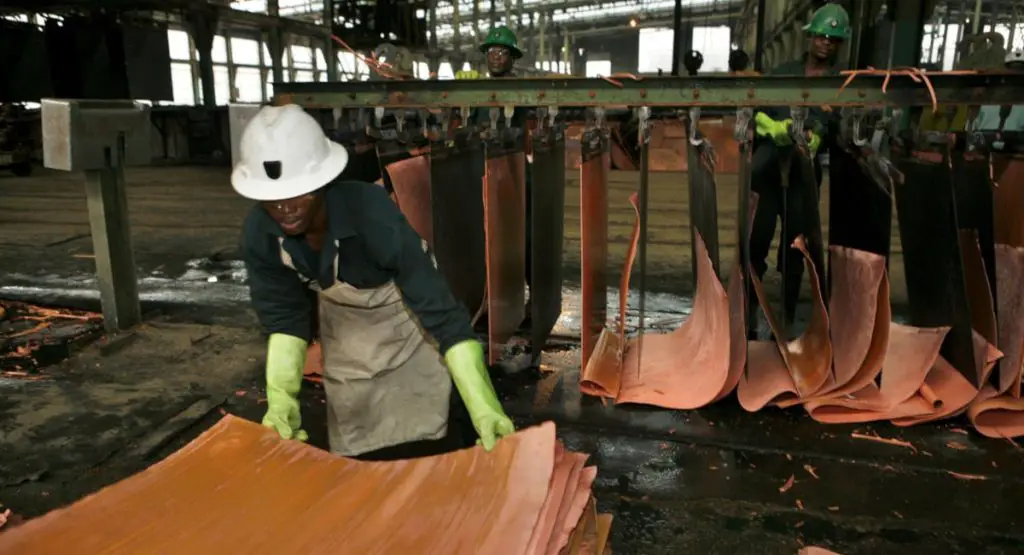
The fastest growing export markets for raw copper of Zambia between 2019 and 2020 were Singapore (US$325 million), Switzerland (US$119 million), and Namibia (US$105 million).
Lowering mining energy tariffs would further help to restore the competitiveness of Zambia’s copper exports, and Zambia’s Chamber of Mines has been arguing for this too.
The outcome of debt restructuring with international creditors and negotiations for a new IMF programme are likely to determine how quickly and confidently the government can move ahead with such reforms.

Zambia has dealt with the legacy of years of economic mismanagement, with an especially inefficient public investment drive. Zambia has been in debt distress. Therefore, the country needed a deep and comprehensive debt treatment to place public debt on a sustainable path.

ZICTA has since reiterated that the members of the public should at all costs desist from buying already registered SIM cards as such is against the law and anyone found wanting risks being prosecuted.
Chaaba revealed that so far, ZICTA has encountered situations where innocent people have been implicated in investigations due to owning SIM cards that were once used by criminals.
ZICTA confirmed with Zambian Business Times that the SIM cards that will not be claimed within 90 days after deactivation will be allocated to other new users. The Authority has since appealed to members of the public to take time to regularise their SIM card registration to avoid losing their contact numbers and for the country to have a clean database.
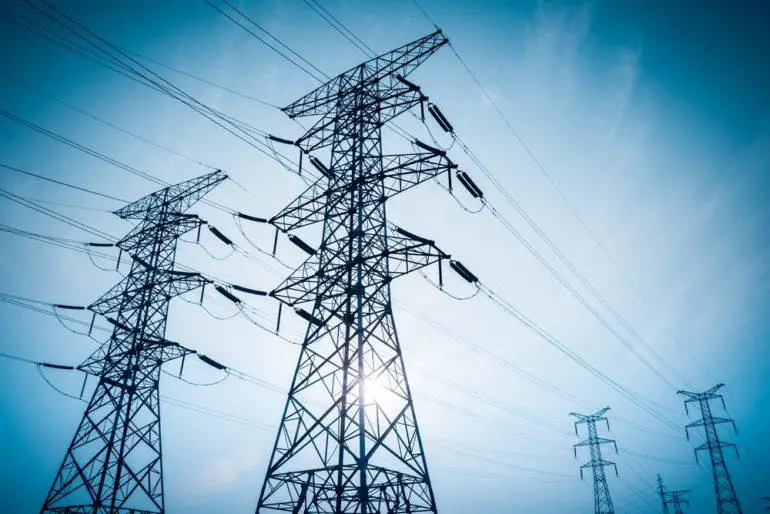
Last week, the biggest power generation plant in Zimbabwe, Kariba South, was generating only 758MW against an installed capacity of 1 050MW.
Hwange Power Station was generating 411MW against an installed capacity of 920MW.
Completing Unit 7 in November this year and Unit 8 at Hwange Power Station by March next year will add 600MW to the grid and help ensure reliable and sustainable supplies to meet growing demand.
Meanwhile, ZESA can now legally incorporate drones in its service delivery. This announcement was made at an event the national power company held to mark its acquisition of a Remotely Piloted Aircraft Operator’s Certificate (ROC).
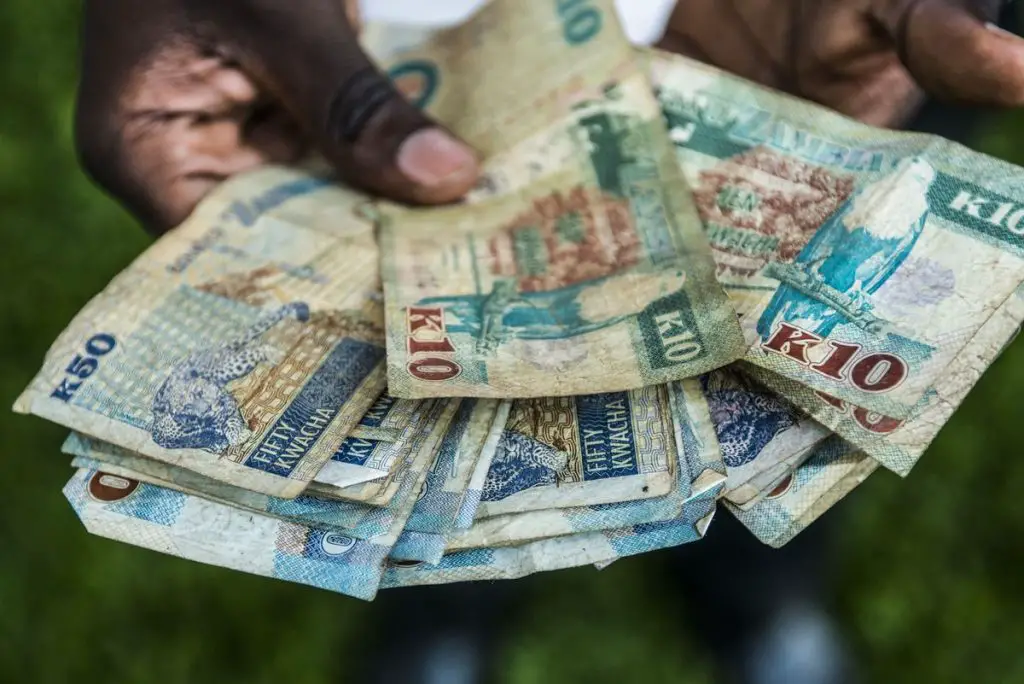
Zambia is Africa’s largest copper producer, which is one of the reasons it has one of the strongest currencies on the continent. The country possesses abundant natural resources, and because copper is the most prevalent metal, copper mining is carried out on a massive scale. This provides Zambia with a significant rise in foreign currency earnings from the sale of metals to other countries.
Bscholarly notes that the value of a currency is significant because it determines the economic performance of a country. This has a direct impact on a currency’s demand on the global market. Exchange rates compare one currency to another and provide an overview of a currency’s strength in the global marketplace. According to financial analysts, factors like interest rates, economic policies, and stability determine the strength of any currency.
Mining liberalization, a debt restructuring programme following default on debt repayments in 2020, and high commodity prices have also had a positive impact on the performance of the local currency.

The Mining Indaba Professional conference 2022 is set to take place from May 9th to May 12th in Cape Town,…
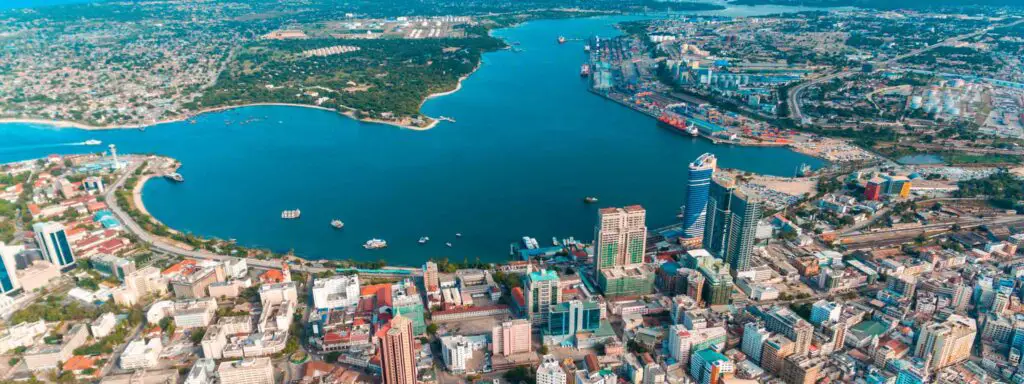
In Tanzania, the Fair Competition Commission (FCC) is responsible for promoting and protecting effective competition in trade and commerce as well as protecting consumers from unfair and misleading market conduct.
Without such an entity, companies use false advertising to capture markets, mergers of large firms occur undermining smaller businesses unfairly and the end-user, the consumer, is put at threat.
It is for this reason that Tanzania has recently passed the Fair Competition Order which sets out the thresholds for mergers that should be reported to the Fair Competition Commission (the FCC). In this most recent Order, Tanzania moved the merger notification threshold from USD 360,000 to USD 1.6 million.
The report cited several African countries as the source of mukula rosewood feeding the world’s illegal market. The report points at several high government officials in the countries, including Zambia. The report also calls for instituting a zero export quota on mukula; however, two years down the road after the CITES resolution, much remains to be desired on a commitment to upholding the protection of mukula trees.
The report raised serious concern about the implementation of the recent international protection granted to the threatened mukula tree by the CITES.
As of the sitting of the CITES back in 2019, the EIA estimates that over 50 40-foot containers of mukula logs had been illegally exported every single month between 2017 and 2019, and that investigation focused on Zambia alone.
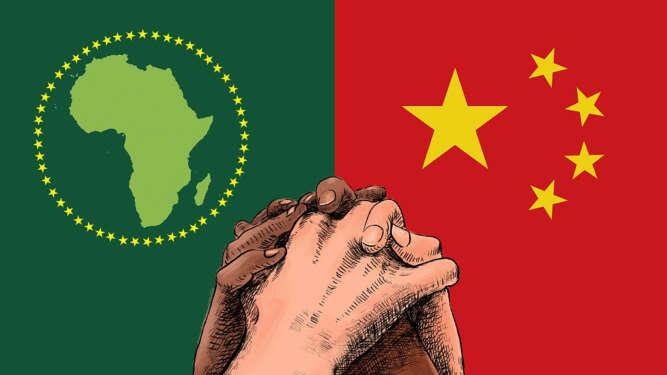
Until 2019 Africa and china had an eccentric lending experience. This includes the lending spree featuring more than $10 billion…

Dr. Amanda Nang’andu Malungo, a Plastic, Reconstructive and Aesthetic Surgeon has shattered the glass ceiling to become the first female plastic…