


Trending
- Who got the money and who didn’t in Africa’s 2025 race for foreign direct investments?
- AI’s Dual Capacity and a Strategic Opportunity for African Peace and Security
- How African economies dealt with the 2025 debt maturity wall
- Africa’s Green Economy Summit 2026 readies pipeline of investment-ready green ventures
- East Africa banks on youth-led innovation to transform food systems sector
- The Washington Accords and Rwanda DRC Peace Deal
- Binance Junior, a crypto savings account targeting children and teens debuts in Africa
- African Union Agenda 2063 and the Conflicts Threatening “The Africa We Want”


Author: Padili Mikomangwa
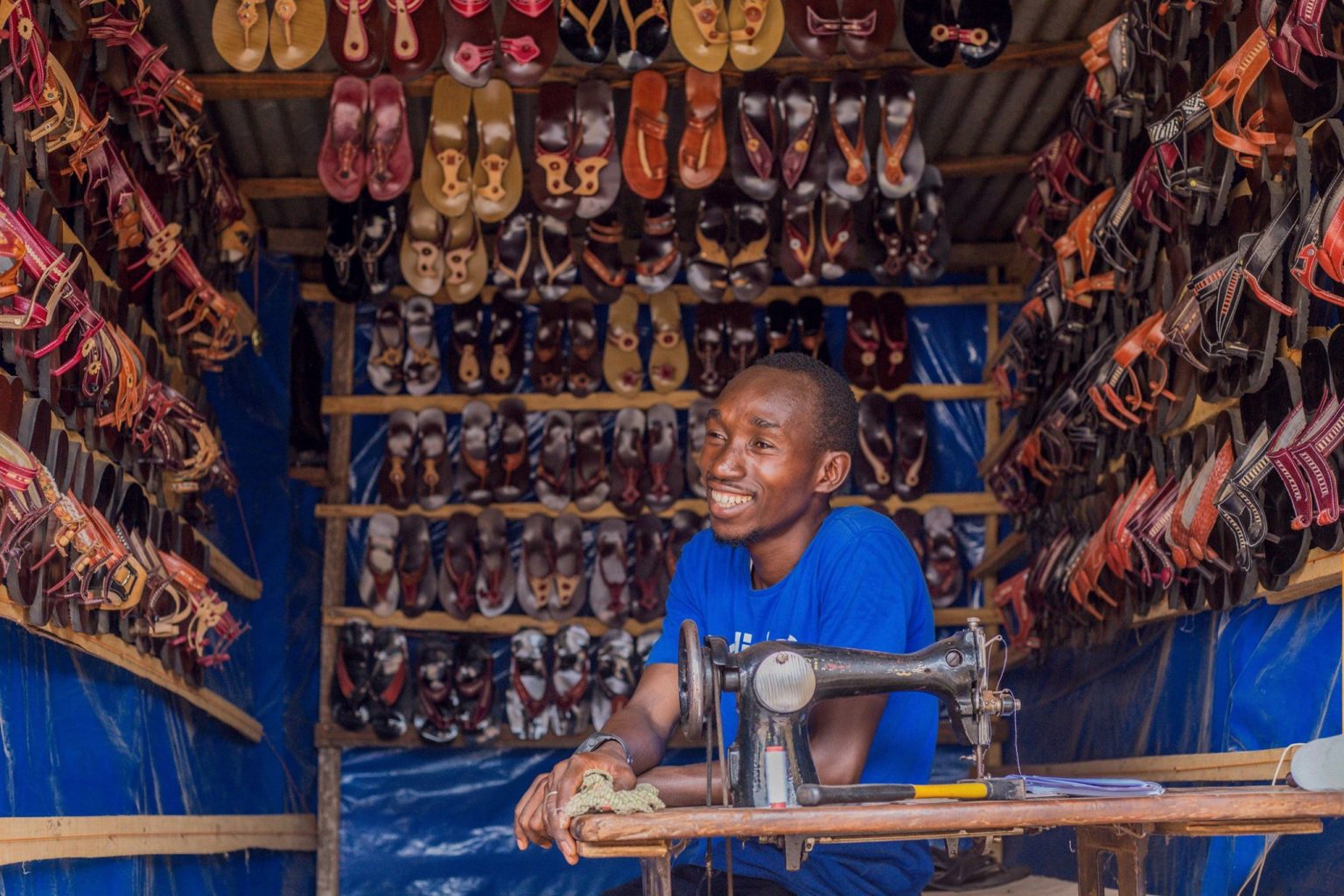
Africa’s labour pool is uniquely made up of various sections, the most dominant one being the informal sector—encompassing the most human capital, catering for most young-population livelihoods and it is highly un-attended—in terms of proper management and regulations by governments across the region and there is substantial evidence to back this claim. According to a 2018 publication by the World Bank Understanding the informal economy in African cities: Recent evidence from Greater Kampala, the informal sector accounts for huge employment in African cities, marking 86 per cent of total employment in sub-Saharan Africa according to the International Labor Organization estimates (ILO). “With a pervasive informal sector, city governments have been…
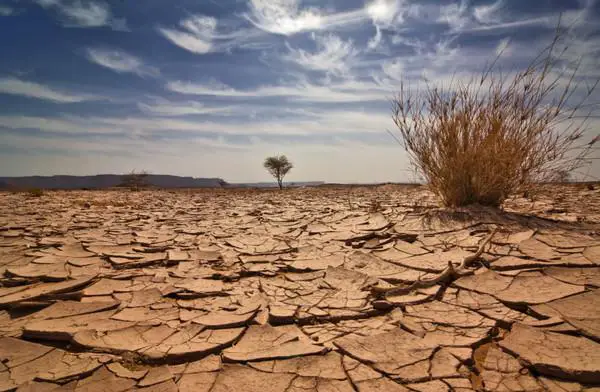
Nature hurts economies, and if such economies are not well equipped to handle the aftermath of flooding, famine, water scarcity, or food insecurity—the more shocking realities are bound to come. Climate change is real and it hurts African economies, and the region is being slapped with a heavy price to pay, amid its struggle to mark sustainable development. According to a 2018 report by The Conversation, in the same year—almost 10,000 homes were wiped off the ground by floods, displacing nearly 2 million people in Africa up to September 2018. In East Africa, Tanzania losses nearly $2 billion in damage…
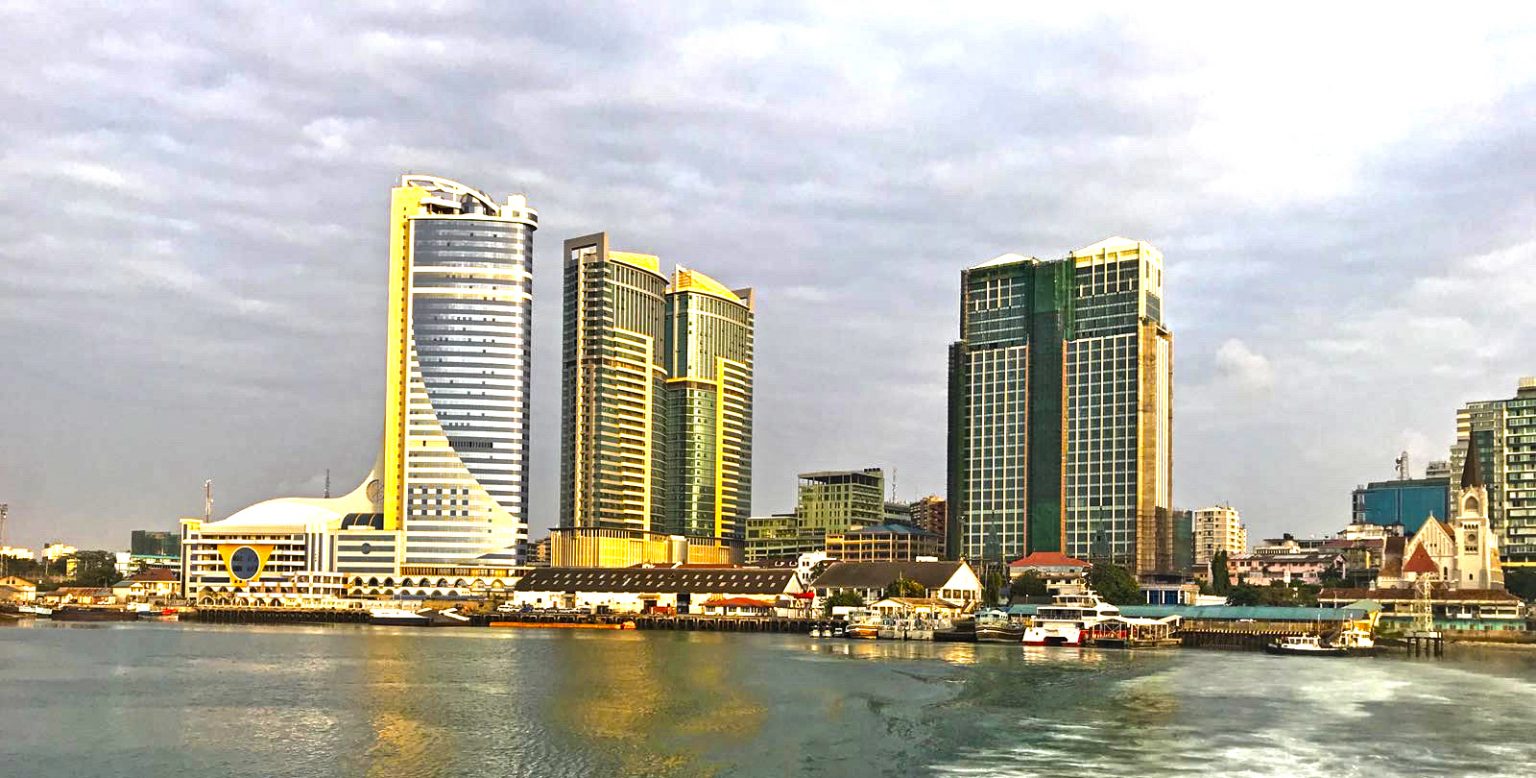
The monthly economic review produced by the Tanzania central bank (BoT), depicted rather positive prospects of the economy, such as inflation, fuel prices and food stocks, despite the grim grip of the coronavirus (COVID-19), which hurt several sectors of the economy. The report published on Tuesday, marking the financial year ending June 30, 2020, also displayed good performance of the exports, foreign exchange reserves and interest rates. Revenue collection Government budgetary operations took a slight hit, as the domestic revenue collection performed below the target due to the virus grip, standing at almost $559,000. “However, the collection was higher than…
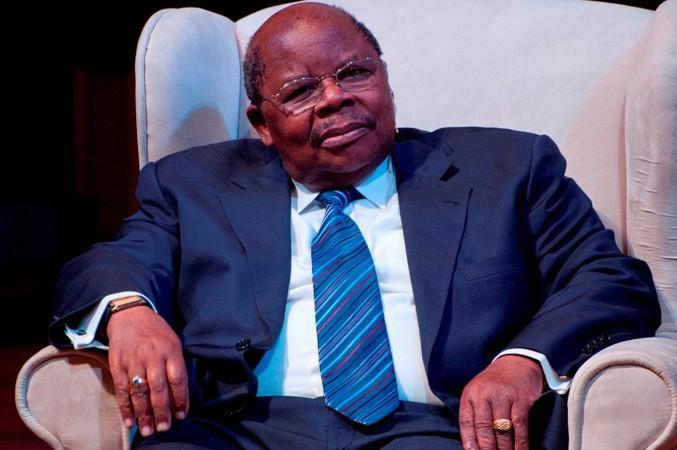
It is with no doubt that Tanzanians remember the period when the country rose from a state-controlled economy attached to socialist objectives; then came efforts to broadcast Tanzania to the world, heralding a liberalized economy and pursuing market-oriented reforms. It is significantly crucial to say Tanzania remembers this vital stride, made possible by its late third President Benjamin William Mkapa, who passed away on July 23 in Dar es Salaam, Tanzania. Mkapa was Tanzania’s most distinguished political figure whose tenure as president began from 1995 to 2005. He assumed many international and regional roles, as a diplomatic figure, peace negotiator and a chair to…
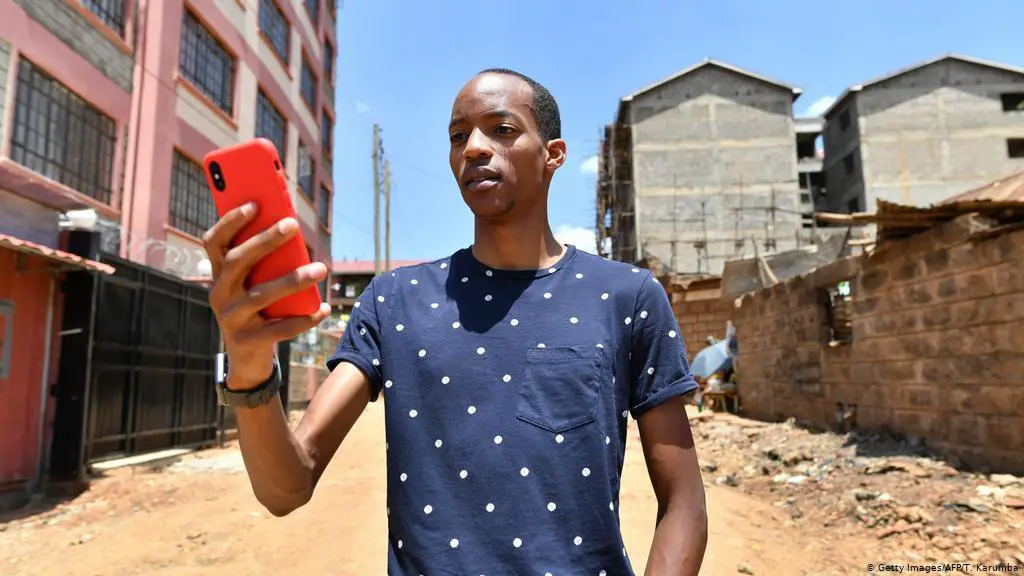
It has never occurred in Africa for people to remain indoors, work from home and limit human interactions as much as possible to curb the spread of disease. Nearly 42 nations enacted partial or full lockdowns to limit the spread of the coronavirus (COVID-19), hence—this ushered rolling drums for other aspects of life to take form, particularly digitization of life. Africa, a continent of more than 1.3 billion people, experienced the horror of the virus as massive volumes of trade and goods ceased to interact within the economy pool, forcing some communities to adopt other means of life, including being well versed with virtual meetings, online shopping, online learning…
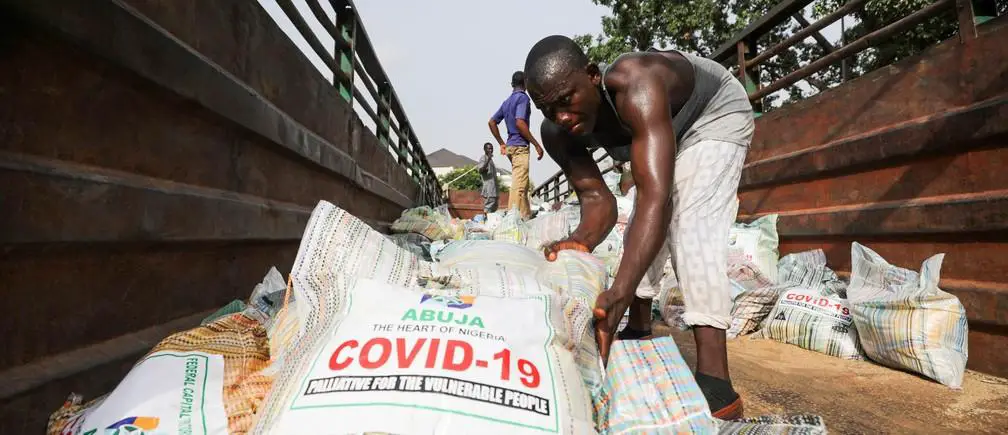
Africa, the continent of more than 1.3 billion people has experienced its share of the coronavirus (COVID-19), which shaved off crucial portions of the continent’s economy (tourism, trade and travel) leading to funding holes, debt burden and propelling unemployment and inequalities. There are several projections laid out benching on Africa’s economic trend. According to UN estimates, African countries have so far lost an estimated US$29 billion due to the pandemic. Meanwhile the United Nations Economic Commission for Africa (ECA) pinned its forecast noting the virus will shave 1.4 per cent off Africa’s $2.1 trillion GDP, hurting the continent’s business landscape. Despite the pandemic eviscerating this year’s plans of enhancing tourism and…
It is legal to say the world as we know it has been kidnapped by the novel coronavirus, which has left thousands dead and millions who have contracted it. The United Nations Industrial Development Organization (UNIDO) confessed that “the economic crisis unleashed by the outbreak of COVID-19 is hurting economies, regardless of income level”. According to its latest numbers, UNIDO indicated that both lower and upper-middle-income countries have been significantly impacted by COVID-19, with an average loss in industrial production across countries, standing at 18 per cent (high-income), 24 per cent (upper middle-income) and 22 per cent (lower middle-income). The pandemic has hurt a lot of…
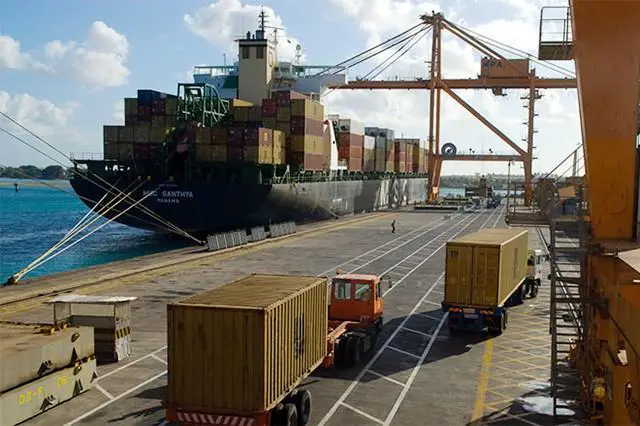
Africa is great and has the potential to be greater—economically. The youngest continent in the world stands to garner billions in the trade as its youngest generation present a potential to transform, the continent’s economic pillars, from agriculture to investment. The region has more than 1.3 people and nearly 60 per cent of its population is under 25 years, according to United Nations Data for World Population Prospects 2017. This means that Africa can fetch healthy intra-regional and international trade growth if it utilizes its existing potentials. As the African Continental Free Trade Area (AfCFTA) is around the corner to…
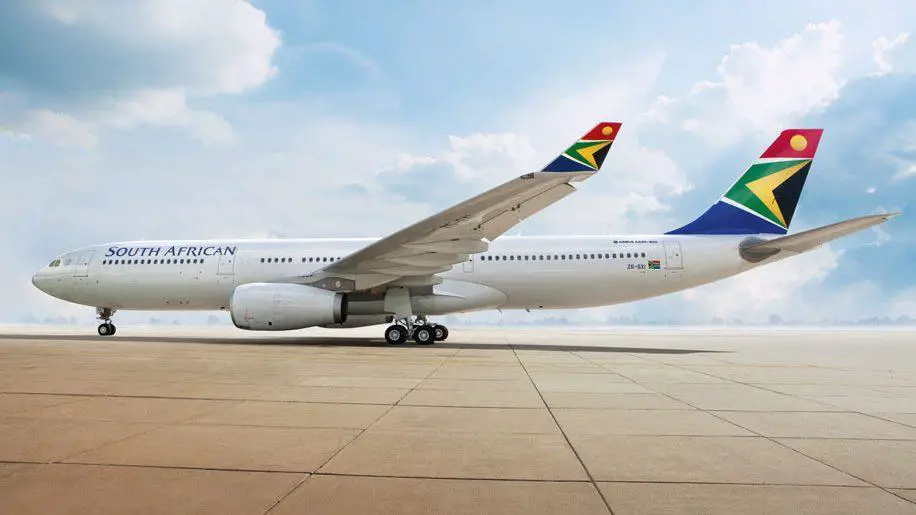
South African Airways (SAA)—one of Africa’s largest carriers have gained a promising turn, as its administrators said conditions for a business rescue were met to bring the state-owned carrier back to operations. According to information from Bloomberg News, the administrators did not provide any further notice to affected parties on Tuesday, Bloomberg reported that “whether the government had met their demand to place in an escrow account $988 million the state has guaranteed to creditors should the carrier fail. The Treasury said on Monday its usual guarantees should suffice” The SAA which was illustrated by News24 a South African business…
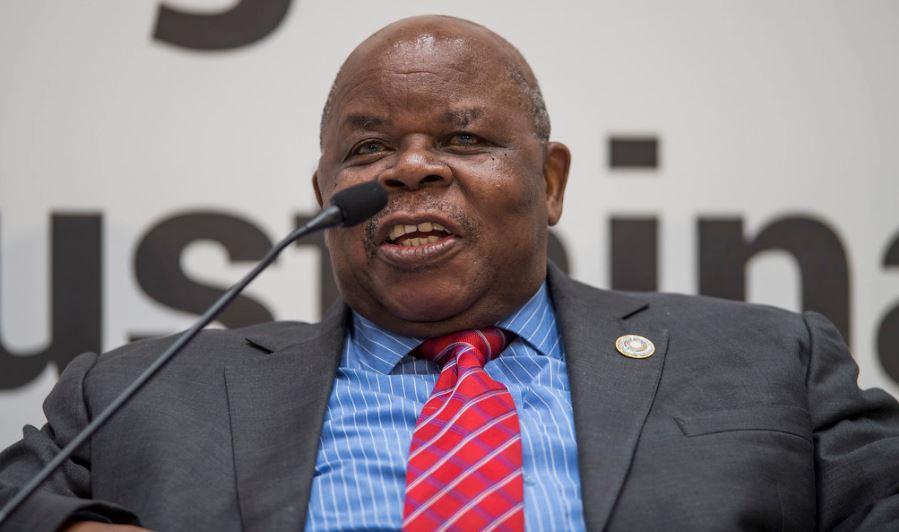
Tanzania has lost a vibrant development champion, energetic politician and a great diplomat, Benjamin William Mkapa—the third President of Tanzania. The tragic news of his passing came to the public via the Tanzania Broadcasting Corporation (TBC) where the current President John Magufuli told the nation Mkapa died at a Dar es Salaam hospital, on the night of July 23. “Our beloved Benjamin William Mkapa, the third president has passed away at a Dar es Salaam hospital where he was admitted,” President Magufuli said. The late president was in office from 1995 to 2005, whereby during his tenure, Mkapa became an…