
Trending
- Africa’s Green Economy Summit 2026 readies pipeline of investment-ready green ventures
- East Africa banks on youth-led innovation to transform food systems sector
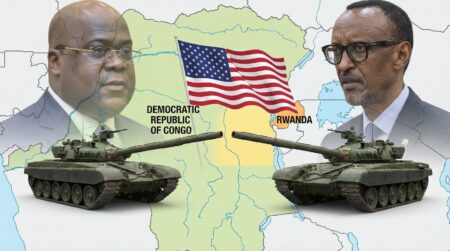
- The Washington Accords and Rwanda DRC Peace Deal
- Binance Junior, a crypto savings account targeting children and teens debuts in Africa
- African Union Agenda 2063 and the Conflicts Threatening “The Africa We Want”
- New HIV prevention drug is out — can ravaged African nations afford to miss it?
- From banking to supply chains, here’s how blockchain is powering lives across Africa
- Modern railways system sparks fresh drive in Tanzania’s economic ambitions


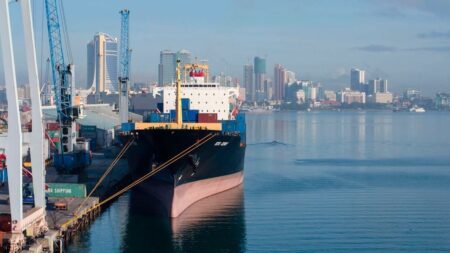
Tanzania has offered the Uganda National Oil Company (Unoc) to use the Dar es Salaam port for oil importation. This presents a strategic alternative…
The Uganda National Oil Company (UNOC) is directly importing petroleum…
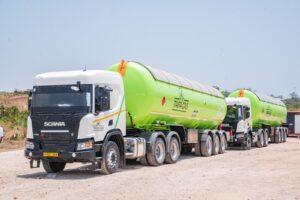
Taifa Gas broke ground at the Dondo Kundu Special Economic…
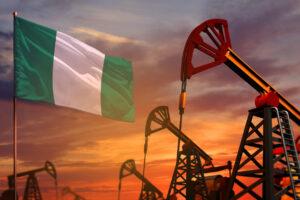
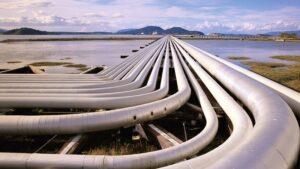
Africa has been hailed as the next frontier in the provision of global oil and…
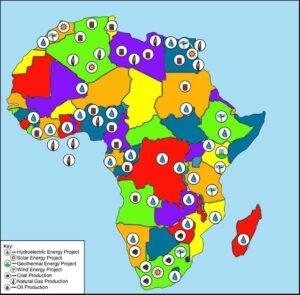
As Africa’s role in the global economy continues to garner prominence, it’s imperative for the…
There are still questions about Africa’s ability to serve as a viable interim option for natural gas while Europe confronts Russia’s military offensive. According to experts, a historical lack of investment in gas infrastructure has harmed Sub-Saharan Africa’s energy business compared to Northern Africa.
For example, Algeria’s Maghreb-Europe Gas Pipeline connects Algeria – Africa’s largest natural gas exporter – to Spain and Portugal via Morocco, and Algeria’s Medgaz pipeline connects Algeria directly to Spain. However, a decline in gas output caused the decline due to a breakdown in relations with Morocco; Algeria declared last October that it would immediately begin delivering gas straight to Spain.
It is critical to remember that [North] Africa already had a developed gas export market with Europe [pre-Ukrainian crisis]. The projected expansion of the Medgaz pipeline capacity [in Algeria] is to boost shipments to Europe.
The report revealed that President Sissoco Embaló had single-handedly negotiated and signed the agreement in October 2020, which stated an uneven share of any future revenues from oil and gas exploration in the sea area located between the two countries.
Guinea Bissau’s prime minister, Nuno Nabiam, as well as the country’s parliament, did not have any hint about the deal. The O Democrata report must have triggered the government as it released the details of the agreement on December 14th.
Armando Lona, Editor of O Democrata, said that the agreement provided for the share of future oil and gas revenues between the countries, but the ratio was unfavorable to Guinea Bissau. Lona declared the agreement illegal, saying that the President had bypassed the public on an issue of national significance
More than $73 million USD was diverted since 2018 Illicit diversion of State resources has…
The first-ever Mozambique Gas & Power 2021 Conference & Exhibition targets foreign direct investment inflows…