


Trending
- Africa’s Green Economy Summit 2026 readies pipeline of investment-ready green ventures
- East Africa banks on youth-led innovation to transform food systems sector
- The Washington Accords and Rwanda DRC Peace Deal
- Binance Junior, a crypto savings account targeting children and teens debuts in Africa
- African Union Agenda 2063 and the Conflicts Threatening “The Africa We Want”
- New HIV prevention drug is out — can ravaged African nations afford to miss it?
- From banking to supply chains, here’s how blockchain is powering lives across Africa
- Modern railways system sparks fresh drive in Tanzania’s economic ambitions


Browsing: Ghana

Chido Mpemba is the youngest senior official in the African Union and advocates for young Africans to have a prominent…

UK’s $18.86M investment will support healthcare workers recruitment and retention efforts in Kenya, Nigeria, and Ghana. Financing is seen as…
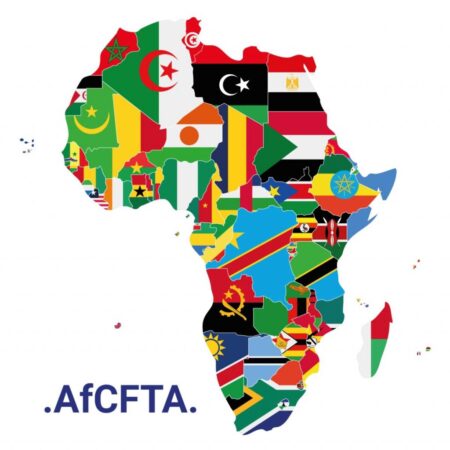
The African Continental Free Trade Area (AfCFTA) is now widely touted as the African Union’s (AU) most audacious project. The framework ties together the most significant number of member countries of any trade agreement since the World Trade Organisation (WTO) in 1995.
The AfCFTA had become topical even before its formal launch. Members of the business community eagerly awaited the full implementation of the AfCFTA. But two years since its formal launch, how far has the AfCFTA ushered in the ‘new era’ of African integration it promised?

Ghana and the UK have unveiled an investor group to help identify mutually beneficial investment opportunities. Target industries are pharmaceuticals,…

Data centres are IT facilities that manage big organisations’ data. They house state-of-the-art computing infrastructure with very powerful machines. The…
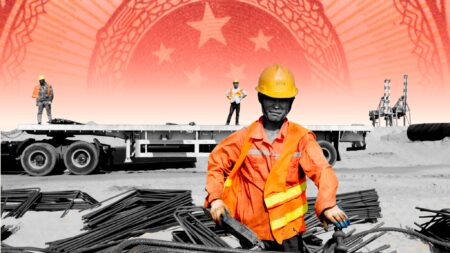
In the last 20 years, Africa’s external debt has grown fivefold to about $700 billion. According to Chatham House, a policy centre in London, Chinese lenders account for about 12 per cent of that amount. As of November 2022, the International Monetary Fund (IMF) and the World Bank considered 22 low-income African countries to either be in debt distress or facing potential external debt distress.
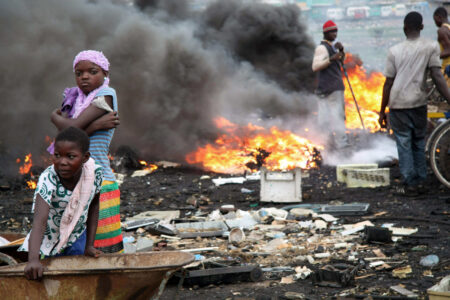
According to UN estimates some 53.6 million tonnes of e-waste was generated around the world in 2019. The World Economic…
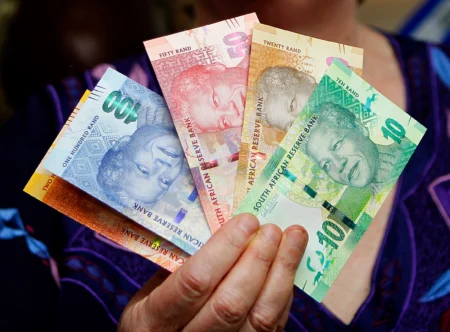
The Kwacha is the official currency of Zambia. The country’s foreign exchange rate remained unsettled for a very long time. However, Zambia has made substantial steps in recent years to strengthen its currency through economic measures and foreign support.
Zambia has set an example for other African nations by efficiently controlling its currency. While facing numerous economic issues, such as a drop in copper prices and a large debt, the Kwacha exchange rate has remained reasonably constant.

Ghana finds itself in the classic emerging market trap. This comes from owing too much in someone else’s currency when the global economic tide turns. One ought not to read too much into an emerging economy getting creative with money or to confuse the confiscation of private assets with a more conventional process of fiscal retrenchment that would gain IMF approval. If the plan succeeds, Ghana may have saved itself from an economic meltdown, especially in a period widely considered as economic turmoil, per the World Bank’s analysis of the 2023 economy.
The reason farmers are forced to buy seeds is that projects like AGRA take away traditional organic seeds by giving subsidized GMO seeds, which cannot be replanted hence after harvest, the farmers must buy new batches of seeds to replant the next season.
In effect, forcing the farmers to rely on new purchases of seeds every year means the peasants are unwittingly caught in a cycle of dependency and poverty, for that matter.
Worse still, projects like AGRA that claims to introduce ‘modern agriculture technologies’ focus on using chemical-based fertilizers and pesticides and also push for monoculture, which locks the farmers in the dependency cycle; they have to buy more fertilizers to keep their lands productive, and they have to buy the same pesticides because of monoculture.
It is for such reasons that last year, AFSA released an open letter with over 200 signatories alleging that AGRA did not increase the productivity or incomes of farmers nor did it reduce food insecurity.