
Trending
- The Washington Accords and Rwanda DRC Peace Deal
- Binance Junior, a crypto savings account targeting children and teens debuts in Africa
- African Union Agenda 2063 and the Conflicts Threatening “The Africa We Want”
- New HIV prevention drug is out — can ravaged African nations afford to miss it?
- From banking to supply chains, here’s how blockchain is powering lives across Africa
- Modern railways system sparks fresh drive in Tanzania’s economic ambitions
- Viktoria Ventures honoured for advancing angel investing across Africa
- FSD Africa rolls out $30 million venture fund to speed up insurtech innovation


Author: Caroline Muriuki
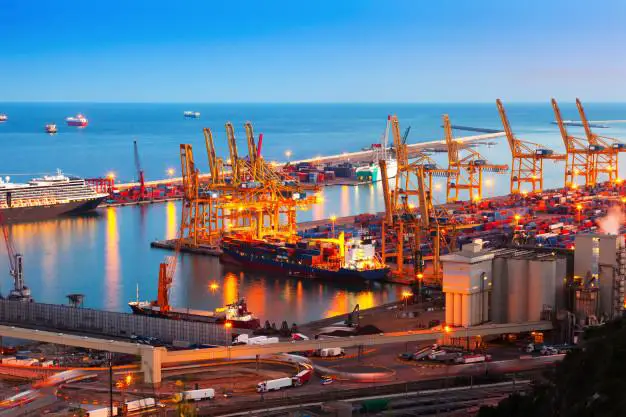
In April, the private sector in Uganda continued to recover with employment, purchasing orders and business conditions consistently improving since February this year. This is according to a monthly report sponsored by Stanbic Bank and produced by IHS Markit dubbed ‘Stanbic Purchasing Managers’ Index (PMI)’. According to the report Uganda’s PMI rose to 57.8 in April 2021 from 53.2 in March which reflected a monthly improvement in conditions. “Firms posted an increment in new orders and output across each of the five broad sectors thereby extending the current sequence of expansion and growth at the start of the second quarter…
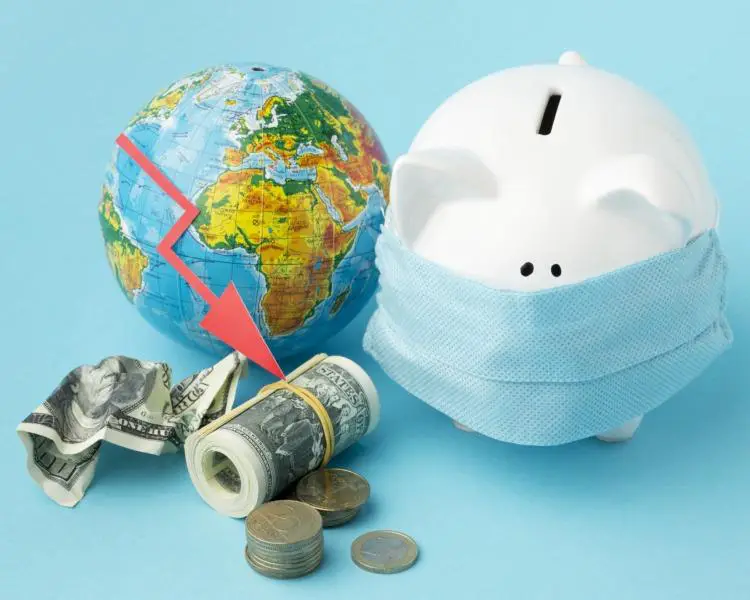
The cost of living in East Africa has risen with the governments shifting the debt repayment burden to businesses and households by increasing taxes. According to data from the national bureaus of statistics, in countries such as Rwanda, Uganda, Kenya and Tanzania, an increase in fuel prices as well as weaker local currencies has also contributed to the prices of essential commodities like milk, bread, groceries, oil and fruits. According to the Bank of Tanzania (BOT), Monetary Policy Statement released early this year, inflation in 2020 was estimated at 5.2 per cent in the East African region which was within…
The International Monetary Fund (IMF) picked 28 countries that are to benefit from the $142.7 million debt relief program and Rwanda and Tanzania are drawing benefits. In the East Africa region, Rwanda led the as the country that enjoyed the highest debt relief of $71.23 million while Tanzania followed at $26.43 million, Burundi at $25.42 million and Ethiopia at $19.71 million. South Sudan, Kenya and Uganda were not part of the selected 28 countries. This comes after Bretton Woods institution which now plays a central role in the management of balance of payments difficulties and international financial crises, approved the…

The International Air Transport Association (IATA) highlighted three main priorities that governments in Africa can work on to ensure the survival of African aviation, travel and transport and be able to support economic growth, recovery and development. IATA highlighted the priorities as: the safe reopening of borders, planning safe restart of operations and the release of committed aid and blocked funds as well as constant financial relief. IATA noted that in 2020 African airlines received $2.04 billion in government aid which was mostly distributed through cash injections, direct government loans and equity financing. Despite this support, eight airlines in Africa…
In Sub Saharan Africa, growth is expected to rebound by 2.3 per cent in 2021 and 3.1 percent in 2022 from a 2.0 percent contraction in 2020 according to a report by World Bank. The report is dubbed “Covid-19 and the future of work in Africa: Emerging trends in digital technology adoption” by the World Bank. Rebound in private consumption, industry and services will be supported by continued growth in the agriculture sector, rise in commodity prices due to rising demand for commodities. This recovery may however be affected by delayed access to covid-19 vaccines and the resurgence of the…
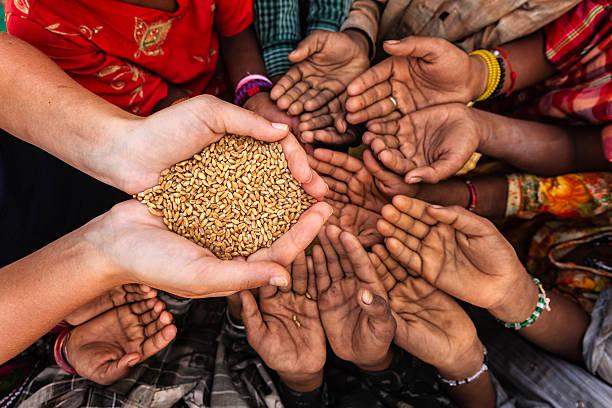
In 2021, it is estimated that 39 million Africans could fall into extreme poverty while in 2020 about 30 million Africans were pushed into extreme poverty as a result of the pandemic, African Development Bank said in its report. In its African Economic Outlook 2021 report, African Development Bank said that the most affected people are those with lower levels of education, working in informal jobs and those with fewer assets. According to the report, in order to lift the newly extreme poor to the $1.90 per day poverty line, the monetary cost is estimated at $4.5 billion in 2021…

The International Monetary Fund (IMF) said that it foresees a 4 percent GDP for the Middle East and North Africa (MENA) in 2021 and 3.7 percent in 2022. In 2020 the projections were at -3.4 percent and 3.1 percent in IMF’s October regional outlook forecast for 2021. According to IMF’s April regional report released yesterday, MENA importers in 2021 will record a GDP of 2.3 percent and 4.5 percent in 2021 a rise from -0.8 percent in 2020. Speaking during the sidelines of the World Bank’s and IMF’s meeting, the Director of the Middle East and Central Asia Department, Jihad…
Kenya Tax, costs ‘bigger threat to businesses than COVID-19’ According to a survey by the Central Bank of Kenya (CBK), the majority of Kenyan company chief executives said that the high cost of doing business and taxation posed the biggest threat to their business operations over the next 12 months belittling the financial fallout caused by the pandemic. The CEOs survey pointed out that progression has been hindered by a challenging business environment despite business leaders projecting a substantial economic rebound in the second quarter of the current fiscal year counting on the improving sales and orders. CBK said that…

Rwanda’s current account deficit in 2021 is expected to decrease to 10.42 per cent of the Gross Domestic Product (GDP) and improve in 2022 to 9.1 per cent due to covid-19 vaccine rollout which is expected to trigger a rebound in foreign direct investments and tourism. The report is dubbed “African Economic outlook 2021: From Debt Resolution to Growth: The Road Ahead for Africa” by the African Development Bank (AFDB). The report noted that in 2020 the country’s current account deficit recorded 16.5 per cent of GDP compared to 9.3 per cent in 2019. This was due to reduced foreign…
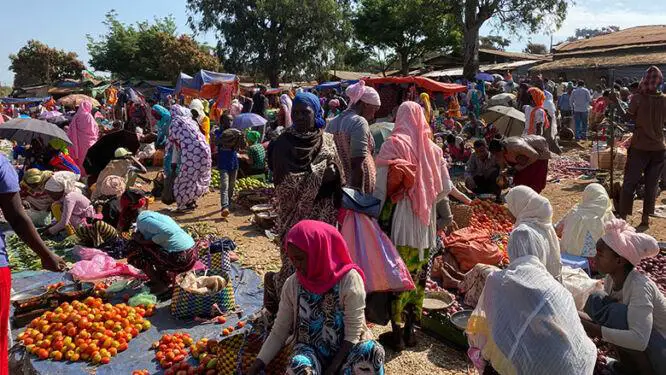
In 2020 gross reserves amounted to $3.1 billion which the reports said is like 2.5 months of imports and are not likely to provide a short term alternative source of development financing.
With Ethiopia expected to receive $1 billion in Eurobond in December 2024, expanding public debt in the context of large public expenditure requirements can limit the fiscal space which will lead to repayments risks. To address this challenge, the country will need to work on reforms in public finance and investments management so as to improve the efficiency of public expenditures, the report explained.
In order to contain the debt burden in the government has established the fiscal consolidation strategy ‘Home-Grown Economic Reform agenda’, which plans to expand public financing sourcing, suspend non-concessional borrowing, harness grants and concessional loan and restructure debts.