


Trending
- In 2025, wars, coups take the shine off Africa’s next investment frontier destination appeal
- Who got the money and who didn’t in Africa’s 2025 race for foreign direct investments?
- AI’s Dual Capacity and a Strategic Opportunity for African Peace and Security
- How African economies dealt with the 2025 debt maturity wall
- Africa’s Green Economy Summit 2026 readies pipeline of investment-ready green ventures
- East Africa banks on youth-led innovation to transform food systems sector
- The Washington Accords and Rwanda DRC Peace Deal
- Binance Junior, a crypto savings account targeting children and teens debuts in Africa


Browsing: AfDB
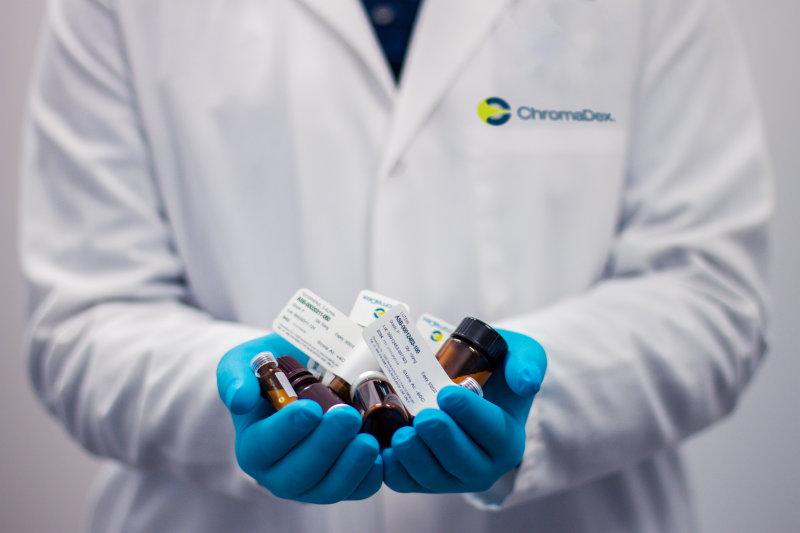
The African Development Bank (AfDB)’s Board of Directors has approved the establishment of the African Pharmaceutical Technology Foundation, a new ground-breaking institution that will significantly enhance Africa’s access to the technologies that underpin the manufacture of medicines, vaccines, and other pharmaceutical products.
Africa has great potential for drug discovery. The continent has natural resources, indigenous knowledge, and human capacity
AfDB Group President, Dr. Akinwumi Adesina said: “This is a great development for Africa. Africa must have a health defence system, which must include three major areas: revamping Africa’s pharmaceutical industry, building Africa’s vaccine manufacturing capacity, and building Africa’s quality healthcare infrastructure.”
The World Trade Organization and the World Health Organization, respectively, also welcomed and lauded the AfDB’s decision to establish the African Pharmaceutical Technology Foundation.

Africans and African diaspora across the world commemorated Africa Day on May 25, 2022. The day truly serves to integrate…

The economies of African countries’ are dominated by agriculture and the continent’s growth relies heavily on the performance of the…
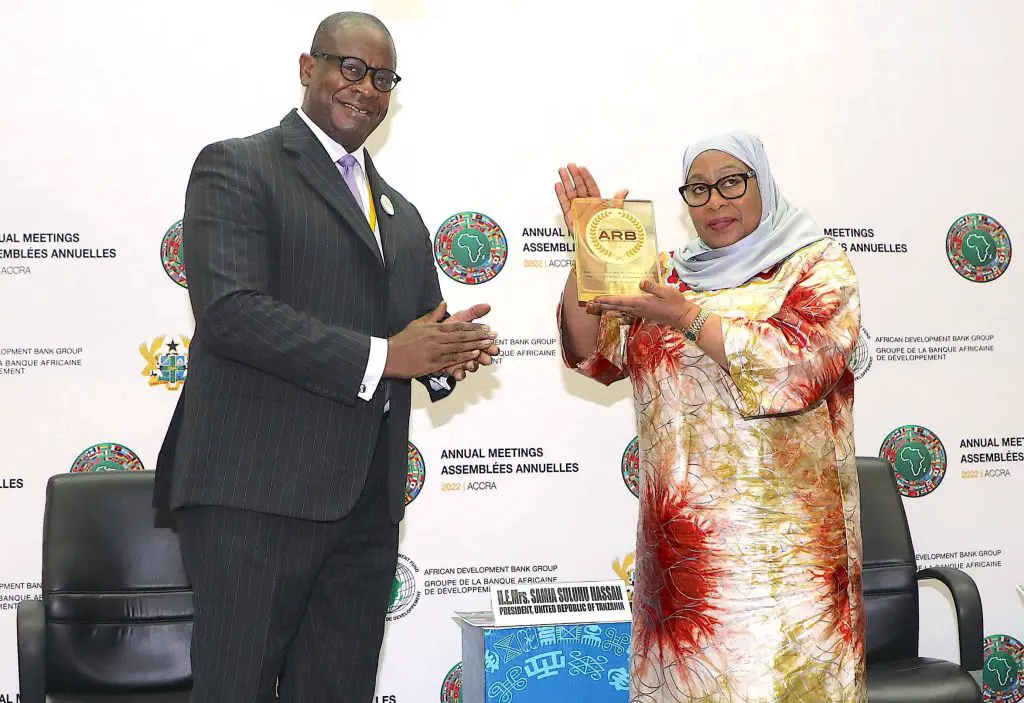
Last year, the Board of Directors of the African Development Fund (AfDB) approved another loan of around $116 million to Tanzania for the upgrade of a 160-km road corridor in the southern part of the country.
This enormous funding by the Bank actually served to cover 98.71% of the project cost; while the remaining 1.29% was met by the government of Tanzania. It is expected that the AfDB will continue funding Tanzania’s road works and other transport infrastructure especially given the country’s strategic geographical location.
Tanzania is the gateway into Africa’s interior and it is also the way out to the rest of the world via the Indian Ocean.
In Tanzania, it is the Tanzania National Roads Agency (TANROADS) is responsible for the improvement of road maintenance and development. The Agency is responsible for the management of 35,000 Km of roads made up of 12,786 Km of trunk roads and 22,214 Km of regional roads.
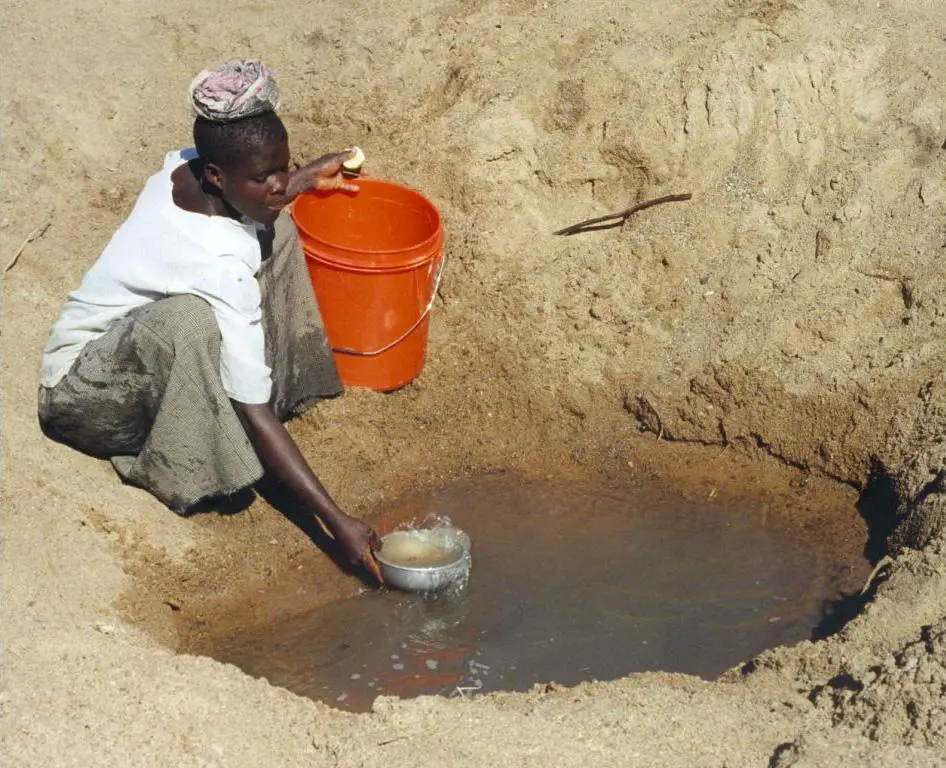
In the wake of the ongoing devastating drought that continues to ravage the Horn of Africa at an alarming rate,…
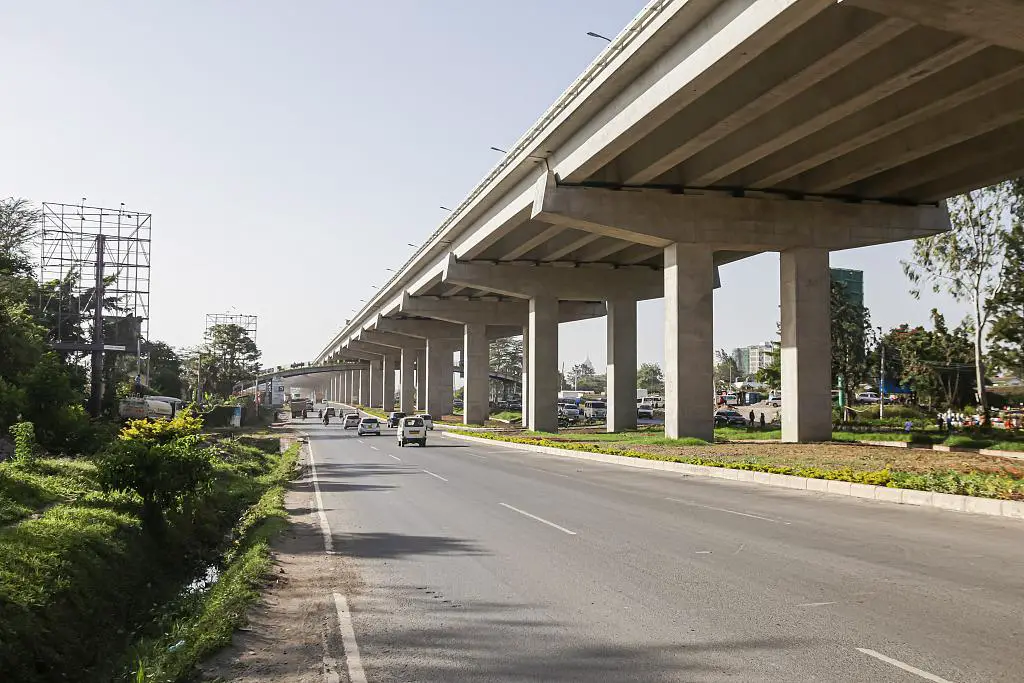
Most African countries lag behind the rest of the world in the coverage of key infrastructure classes including energy, road and rail transportation, together with water infrastructure. Development of Africa’s infrastructure has been met by colossal roadblocks, which have largely stemmed from the endemic systemic corruption that continues to ail the continent, making it one of the biggest hurdles to development. Consequently, this has made attracting foreign investment a nightmare.
This further affirms the description by McKinsey and Company that the continent faces an infrastructure paradox whereby Africa’s track record in moving projects to financial close is poor. Despite the high demand for projects, sufficient supply of capital and investors, coupled with voluminous potential projects there is insufficient investment in infrastructure projects within the region.
Presently, more than two-thirds of the global population without access to electricity is in Sub-Saharan Africa, which is an equivalence of 600 million people. For instance, in Mali, the average person uses less electricity in a year overall, than a Londoner uses to just power their tea kettle. In addition, with the population bulge, forecasts reveal that Africa’s demand for electricity will quadruple between 2010 and 2040.
Rwanda will receive two loans amounting to $180 million from the African Development Bank The funds will support a major…
African Development Fund has approved $5.5 million technical assistance grant to support projects Eastern Sahel region countries of Djibouti, Eritrea,…
As would be expected, Total rebutted the claims. Its first move was to make public the related project social and environmental studies and issue a statement in which it pledged transparency.
The company admits that; “The projects for the development of the oil and gas resources of the Lake Albert region and the cross-border pipeline are situated in a sensitive social and environmental context that requires special measures for the environment and the rights of the local communities.”
In a follow-up statement, the investors maintained that; “All the partners are committed to implementing these projects in an exemplary manner and taking into highest consideration the biodiversity and environmental stakes as well as the local communities’ rights and within the stringent environmental and social performance standards of the International Finance Corporation.”
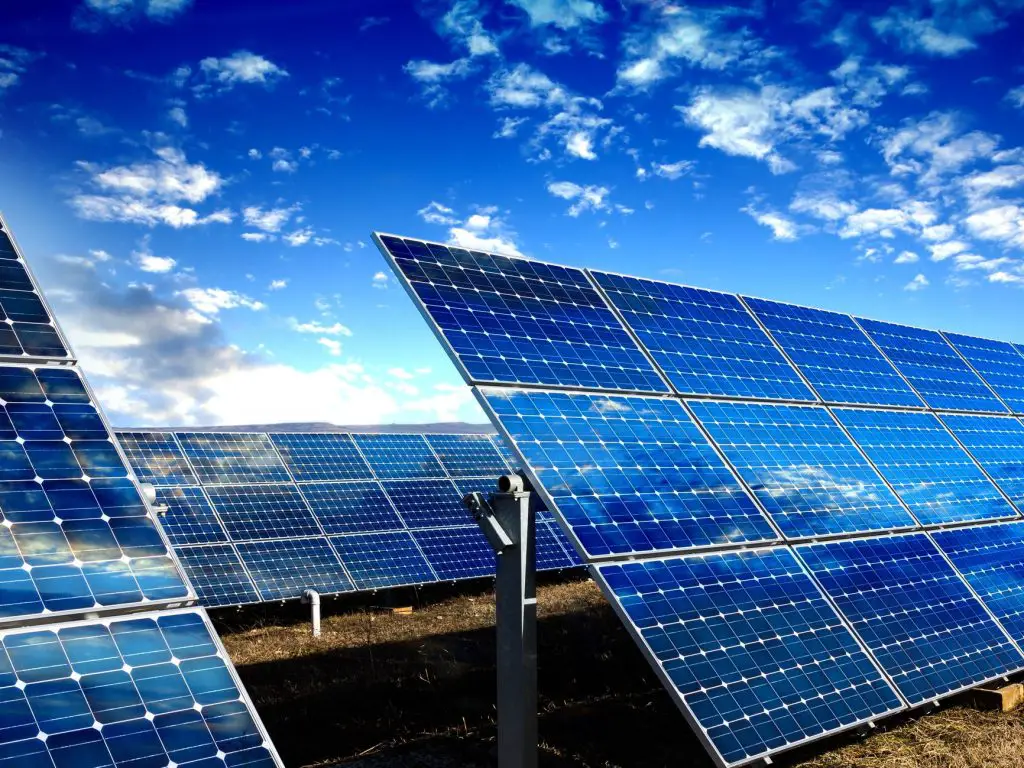
Over the course of the next six years, LEAF is expected to deploy financing options, credit enhancement instruments and technical assistance in partnership with the private sector; including local banks.
As we approach the 2030 deadline of the SDGs, we must unfortunately acknowledge the disturbing truth, we are far from meeting the goal’s sustainable growth targets. The latest Sustainable Development Goal (SDG) 7 tracking report warns that close to 600 million Africans still lack access to electricity and this reality is only worsened by the Covid-19 crisis.
In his comments about the LEAF program, the Bank’s Vice President in charge of Power, Energy, Climate Change and Green Growth, Dr. Kevin Kariuki, notes: “The African Development Bank is delighted to partner with the Green Climate Fund on the Leveraging Energy Access Finance Framework, which will not only accelerate access to electricity based on decentralized renewable energy solutions, hence reducing the respective countries’ carbon footprints, but will do so with the active participation of a private sector facilitated by local currency financing and commercial capital availed under the program.”