


Trending
- East Africa banks on youth-led innovation to transform food systems sector
- The Washington Accords and Rwanda DRC Peace Deal
- Binance Junior, a crypto savings account targeting children and teens debuts in Africa
- African Union Agenda 2063 and the Conflicts Threatening “The Africa We Want”
- New HIV prevention drug is out — can ravaged African nations afford to miss it?
- From banking to supply chains, here’s how blockchain is powering lives across Africa
- Modern railways system sparks fresh drive in Tanzania’s economic ambitions
- Viktoria Ventures honoured for advancing angel investing across Africa


Browsing: Africa Mining

DR Congo’s mineral and forest resources together represent a twin pillar of green wealth, underground metals to fuel the energy…

Elon Musk applied for licensing to provide Tanzania with satellite Internet services; that was last year. This year, the Tanzania…
In terms of achieving net zero carbon emissions, the largest mining companies in the world have several options – each with merits and demerits – they can explore. Mining companies can either divest, decommission, reduce emissions in existing operations, and/or offset assets that produce high greenhouse gas emissions (GHG).
Achieving net zero presents a dilemma because many of the largest miners have made their goal of reaching net zero by offsetting current emissions either through purchasing carbon offsets or investing in solutions that mitigate climate change.
Divesting assets, which is something Anglo American did with their coal assets which they spun off into a pure play standalone coal miner, will decrease a miner’s GHG emissions on a standalone basis. This move simply makes the emissions another person or entity’s challenge. The transfer of assets to third parties increases the risk that those assets may not be de-commissioned promptly or appropriately and will continue to contribute to GHG emissions far into the future.

Platinum mining is where Loucas Pouroulis, the chairman of mining outfit Tharisa PLC made and then lost money and then…
Investment in Africa has become ubiquitous. The United Nations-sponsored publication African Renewal shares the generally held view that Africa’s time…
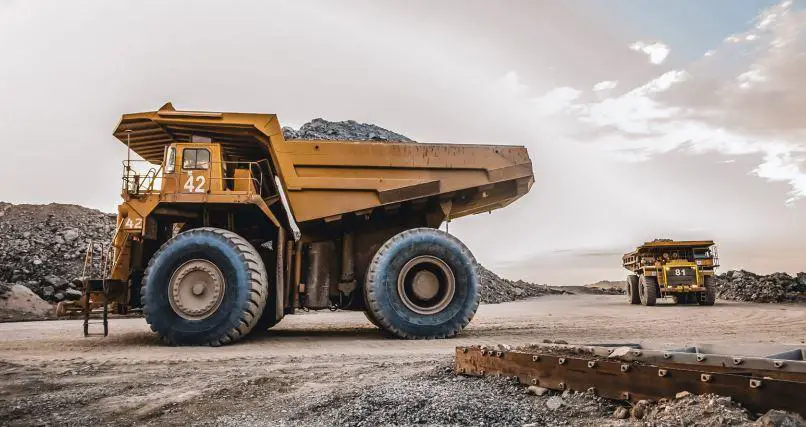
The global mining industry for the last 6 years enjoyed rising commodity prices. Record cash flows have provided mining houses…
The company is part of the JSE listed industrial mining and metals sector which is collectively worth ZAR 5.46 trillion or (US$ 360.11 billion). It is the fifth-largest company in that sector. The company produces iron ore from two mines namely Sishen and Kolomela in South Africa.
Kumba Iron Ore’s finances during 2021 were premised on 3 things namely what the company described as “disciplined capital allocation” which involved the cash payouts to shareholders on the back of the improved return on capital ratios. The second aspect that drove the company’s financials was what it called “value-focused growth”. The company enjoyed a higher-than-average price for its ores.
It reportedly earned an average forward on board (FOB) export price of at least US$ 161 per ton which was 18% higher than the benchmark during 2021.
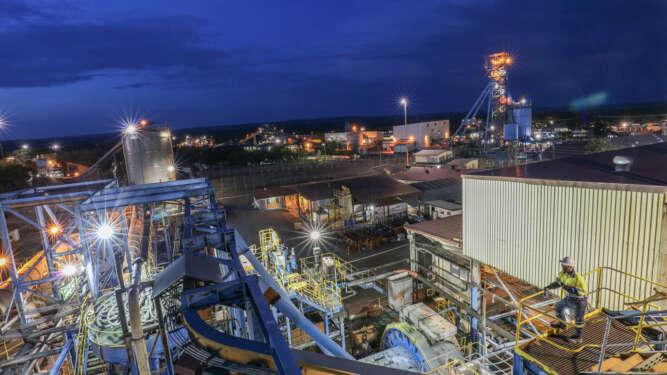
Barrick Gold, the New York Exchange-listed mining company with deep business ties in Africa, has once again ignited strong business…