


Trending
- Africa’s Green Economy Summit 2026 readies pipeline of investment-ready green ventures
- East Africa banks on youth-led innovation to transform food systems sector
- The Washington Accords and Rwanda DRC Peace Deal
- Binance Junior, a crypto savings account targeting children and teens debuts in Africa
- African Union Agenda 2063 and the Conflicts Threatening “The Africa We Want”
- New HIV prevention drug is out — can ravaged African nations afford to miss it?
- From banking to supply chains, here’s how blockchain is powering lives across Africa
- Modern railways system sparks fresh drive in Tanzania’s economic ambitions


Browsing: Africa’s digital economy.
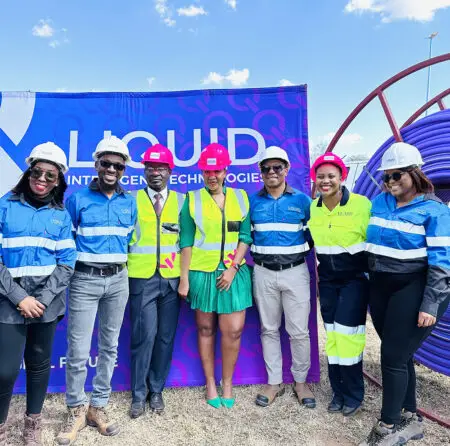
Botswana has become a thriving ecosystem for many telecom-based organizations with Africa’s highest mobile penetration rate. The vision and goals…

Africa’s fintech industry is, by far, one of the fastest-growing industries in this new industrial revolution. In two decades, that franchise has grown into a trillion-dollar opportunity, attracting multiple investors from all over. Ghana will host The Africa Money and DeFi Summit on October 3rd and 4th. According to the organizations, this event will set a new pace for the industry as it prepares to welcome the web3 ecosystem into Africa’s market.
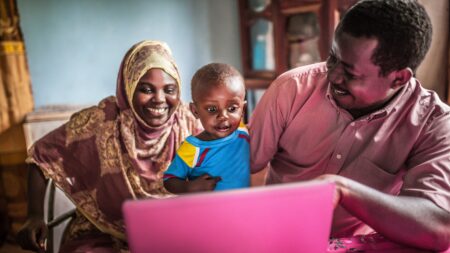
Tagger Media’s market will expand from $10.54 billion in 2022 to $94.24 billion by 2030. In 2022, South Africa became…

With just $40, customers in Kenya will buy a locally assembled smartphone starting July, 2023. Kenya’s mobile network coverage stands…

Africa is a strong contender for developing technologies such as blockchain and cryptocurrency owing to the continent’s growing mobile tech adoption rates. Considering the turbulent global financial markets, expensive remittance costs, and restricted banking access, blockchain in Africa offers alternatives to tackle their day-to-day issues.

AfDB estimates that the size of global digital wealth will skyrocket from $217 billion in 2022 to over $1 trillion…

Blockchain is one of the pioneer technologies leading the 4th Industrial revolution alongside AI. It has proven its compatibility with…
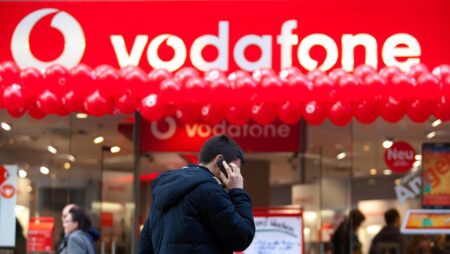
Vodafone Group developed a business tailor-made to deal with Africa’s rising digital economy Etisalat, Vodafone’s largest shareholder, is currently exploring…
Mpesa has a 7 % penetration of the GSM base in Egypt and 40% in Ghana while having a dominant…
A favourable balance of payment translates to good exchange rates for the shilling against the dollar. A strong shilling means more value per shilling, allowing the country to make even larger purchases or investments.
Another aspect is the fact that a decrease in the oil price should translate to similar, if not multiple decreases in the cost of doing business and even the cost of living. This is because the cost of transportation is expected to fall, and with it, the cost of the goods being delivered is another gain for Africa (where borders were not closed during that time).
Also, in economic terms, there is a difference between an increase or decrease and rise or fall in price. An increase or decrease in price means a short-term price hike or price drop, which is what we expected to see during the period of oil price increase/decrease.
On the other hand, rise/fall in price refers to persistent increase/decrease over a prolonged period. When this happens, we see sustained inflation or deflation, that is, the general increase or decrease in the price of goods and services over time.