


Trending
- East Africa banks on youth-led innovation to transform food systems sector
- The Washington Accords and Rwanda DRC Peace Deal
- Binance Junior, a crypto savings account targeting children and teens debuts in Africa
- African Union Agenda 2063 and the Conflicts Threatening “The Africa We Want”
- New HIV prevention drug is out — can ravaged African nations afford to miss it?
- From banking to supply chains, here’s how blockchain is powering lives across Africa
- Modern railways system sparks fresh drive in Tanzania’s economic ambitions
- Viktoria Ventures honoured for advancing angel investing across Africa


Browsing: currency depreciation
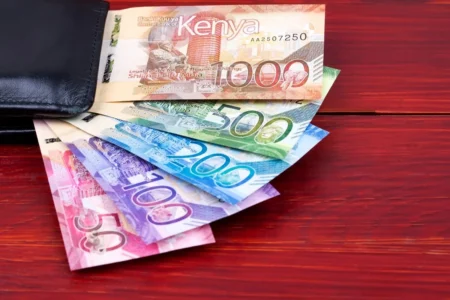
Kenyan Shilling to Reach Sh138 this month as effects of global rates and heavy rains come alive Additionally, the minor…
Kenyans in the diaspora sent home $4.19 billion in 2023 as remittance inflows to the East African country hit an…
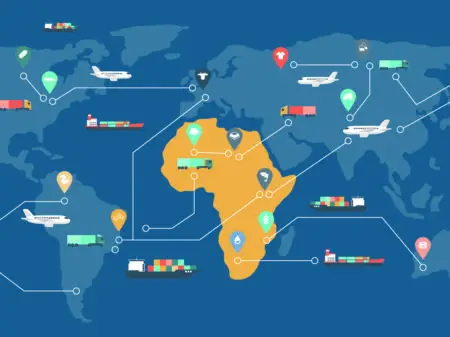
Africa’s economic growth in 2024 is expected to be upward with the real GDP projected to grow by 3.2 per…
In a significant move by Moody’s Investors Service, Nigeria’s credit rating has been upgraded from stable to positive. The devaluation…
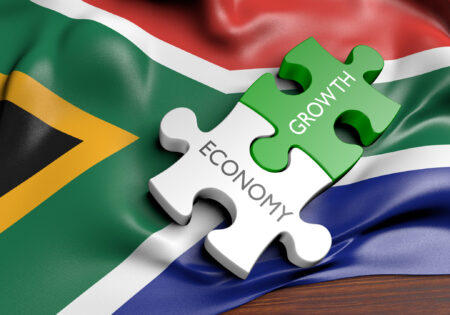
South Africa is set to topple Nigeria and Egypt as Africa’s biggest economy in 2024. This is according to forecasts from the International Monetary Fund. According to IMF’s World Economic Outlook, South Africa’s gross domestic product will reach $401 billion per current price in 2024. On the other hand, Nigeria’s GDP will reach $395 billion, with Egypt’s GDP reaching $358 billion.
South Africa, the continent’s most industrialised nation, is expected to maintain the top spot as Africa’s biggest economy for only one year. In 2025, the country will again lag behind Nigeria and fall to third place behind Egypt a year later. This is according to the IMF’s World Economic Outlook, a report released last week.

In May 2023, Zimbabwe released a gold-backed digital currency for peer-to-peer and business transactions. It acted as a store of value as the Zimbabwean dollar continued its steep depreciation. International gold prices controlled by the London Bullion Market Association will dictate the local pricing of Zimbabwe’s digital currency tokens.

However, integrating cryptocurrencies with conventional financial systems becomes increasingly essential as they become more commonplace. This presents several obstacles to overcome before cryptocurrencies can realise their full potential. For instance, traditional institutions may be hesitant to work with cryptocurrencies due to concerns about money laundering and other illicit activities. Moreover, the technical difficulty of integrating cryptocurrencies with existing banking systems can prove intimidating.
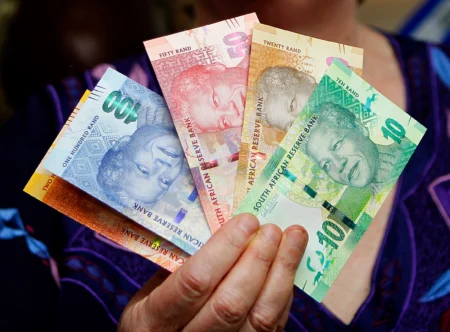
According to SWIFT, African regions with strong integration saw increased use of local currencies and decreased use of hard currencies such as the US dollar. For instance, the use of the West African franc by the eight countries in the West African Economic and Monetary Union has overtaken the South African rand and the British West African pound.
This implies that boosting the use of regional currencies will shield the African trade market from adverse global conditions associated with the performance of US dollars. However, further regional coordination remains necessary to build a continental payment system that encourages the use of local correspondent banks and local currencies. These moves can help in managing currency depreciation to boost African trade finance.

The global financial landscape has undergone a remarkable transformation in recent times. Remarkably, the issue of the de-dollarization of international trade is slowly but steadily gathering momentum. A rising trend toward de-dollarization is challenging the longstanding supremacy of the United States in the international financial system. As the dominant global reserve currency, the US dollar remains pivotal in international trade, investment, and financial transactions.

Currently, Africa is over-exposed to the impact of the US Dollar. Thus, African nations must either act individually or together to mitigate these effects. Dollar strength bursts are cyclical. Therefore, there should be enough time to implement efforts before the next one occurs. African governments have recognized the harm done in the previous year and should work round the clock to find a lasting solution.