

Trending
- Africa’s Green Economy Summit 2026 readies pipeline of investment-ready green ventures
- East Africa banks on youth-led innovation to transform food systems sector
- The Washington Accords and Rwanda DRC Peace Deal
- Binance Junior, a crypto savings account targeting children and teens debuts in Africa
- African Union Agenda 2063 and the Conflicts Threatening “The Africa We Want”
- New HIV prevention drug is out — can ravaged African nations afford to miss it?
- From banking to supply chains, here’s how blockchain is powering lives across Africa
- Modern railways system sparks fresh drive in Tanzania’s economic ambitions


Browsing: energy
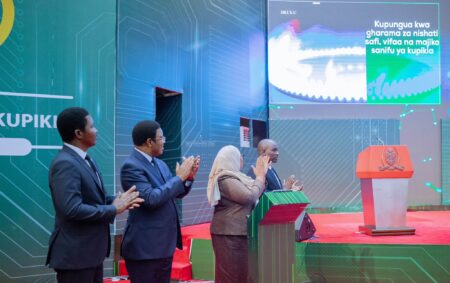
Firewood is responsible for killing at least 33,000 people yearly in Tanzania. A person who is exposed to firewood smoke…
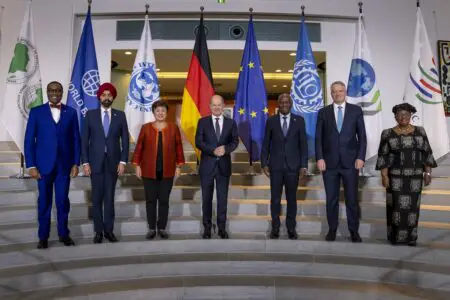
In Berlin, German Chancellor Olaf Scholz says his country will invest 4 billion euros in Africa’s green energy until 2030.…

Kenya will host the second Canada-Africa Business Conference early next year, bringing together investors from the two regions to explore key investment opportunities. Some of the target industries that the 19-20 February 2024 conference will focus on are medical care, infrastructure, energy, financing for Canada-Africa projects, and FinTech.
The two-day meeting in Nairobi’s Muthaiga Country Club follows the two regions’ first-ever program at Botswana’s Gaborone International Convention Centre in 2019.
In partnership with the Kenya Private Sector Alliance (KEPSA), the Canada-Africa Business Conference will bring together key players who will also visit select locations.
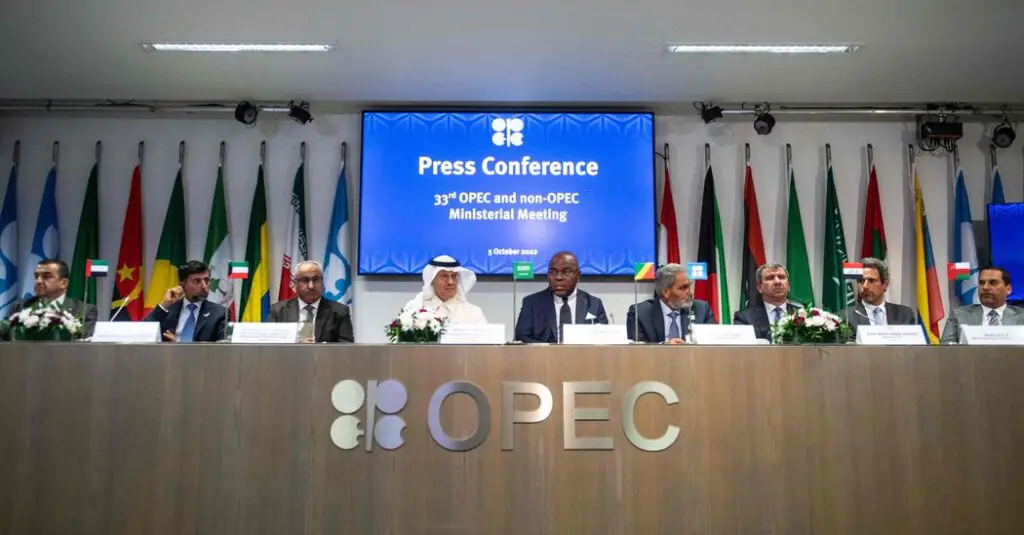
African countries will be largely impacted by the decision by the global cartel of oil producing countries to cut oil production given that only 14 out of 54 countries in Sub-Sahara Africa produce oil, which accounts for the lion’s share of their annual export earnings.
Many African countries have to import refined oil and rely on oil products in power generation. A hike in oil prices will boost economies of oil producing countries, by gaining foreign exchange earnings to carry out development projects such as Nigeria, Angola, Gabon, Libya, Cameroon, and Congo among others.
Consequently, this will create more job opportunities and greatly aid in poverty alleviation. In addition, the revenues could be redirected to other sectors that make significant contributions to the respective economies. By example, in countries like Cameroon, Gabon and Congo, internet infrastructure and technology could largely benefit from re-investing.
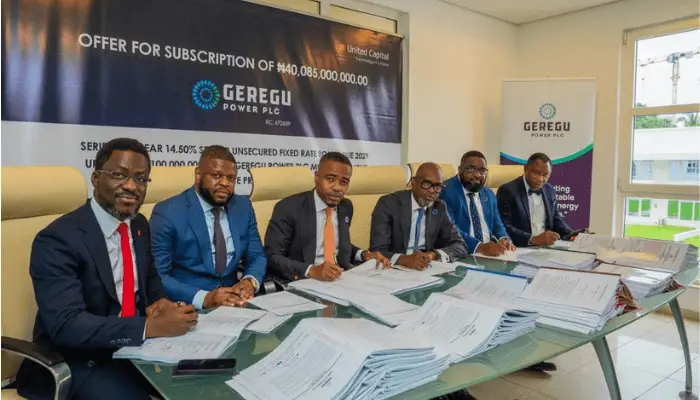
Geregu Power PLC was incorporated in November 2006 as one of the unbundled companies from the now-defunct Power Holding Company of Nigeria (PHCN). The Company began operations in February 2007 to generate electric power supply to the National Grid managed by the Transmission Company of Nigeria (TCN).
Amperion Power owns 99.9 per cent of the company. Calvados holding (owned by Femi Otedola) owns 95 per cent of Amperion Power while Shangai Power owns five per cent.
Geregu Power listed 2.5 billion ordinary shares of 50 kobos each at a share price of N100 per share, valuing the company at about N250 billion on the first day. However, amid high investors demand, Geregu Power’s stock gained 10 per cent (N10) on its first trading day on the NGX to close at N110 per share from N100 per share.
The gain pushed its market capitalisation to N275 billion from the N250 billion it was listed. The company traded 8.5 million volume of shares at N935 million in one day as its listing further boosted liquidity in the Nigerian capital market.
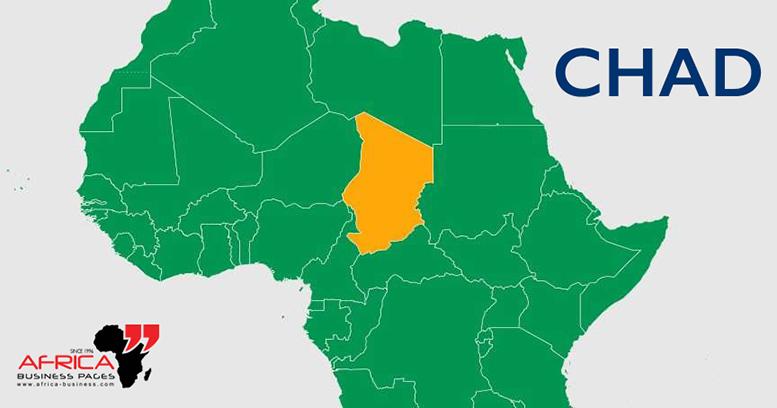
The major petroleum groups had long been reluctant to become involved in Chadian oil fields. The fields in the central/western and northern parts of the country were located in areas of chronic insecurity.
Then, an unprecedented arrangement was made. The World Bank agreed to finance using public funds. The pipeline would later allow the private operators Exxon, Chevron, and Petronas to transport their crude oil to the Cameroonian port of Kribi. This would enable shipping to European or American refineries, where the oil could be offered on the market at prices that the cost of the transport infrastructure would not burden.
Chad faces military challenges on most of its borders which should be factored as a risk. In the west, in the region of Lake Chad, the army has been fighting the Nigerian Islamist group Boko Haram since 2015. On the border with Sudan, Eastern Chad has seen conflicts between different ethnic groups. Northern Chad is also unstable, sparsely populated, and difficult to control. Several Chadian rebel groups have set up their base in neighbouring southern Libya. Despite these problems, Chad’s armed forces are considered by many analysts to be the most effective in the Sahel.
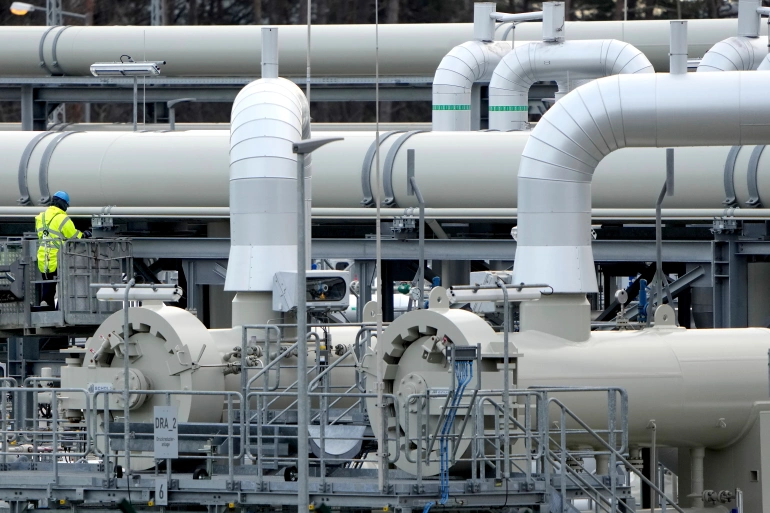
The war in Ukraine has shown how dependent Europe is on natural gas for power. Before the conflict broke out…
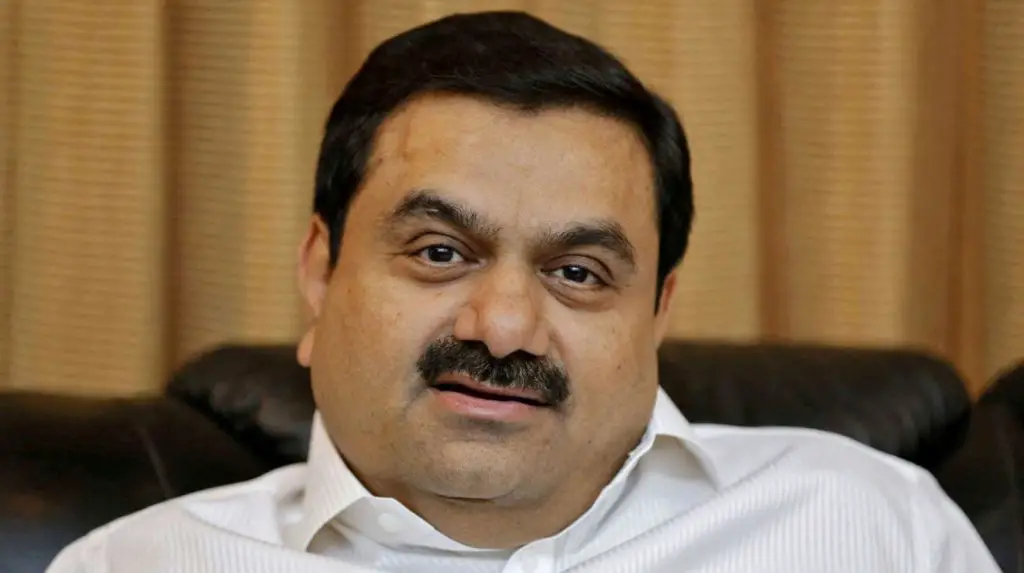
His fortune is estimated to be worth a staggering US$148 billion. He is second only to Tesla founder and eccentric billionaire Elon Musk. Very interesting to note is the fact that the rise of Adani into the high stakes of global wealth is also the first time that two of the wealthiest individuals in the world are from countries that comprise the BRICS nations.
Though now a US citizen, Elon Musk has South African heritage, and Adani is an Indian national.
That two of the richest men in the world are from BRICS countries is indicative of the emergence of the bloc. Adani is the first person of Indian descent to occupy the position. Adani is the chairman of the Adani Group, which operates a litany of businesses in coal mining, infrastructure, and thermal power generation. His companies also operate private airports and firms. According to media reports, Adani’s wealth began to surge at the beginning of this year when he was ranked 14th on the Bloomberg Billionaires Index.
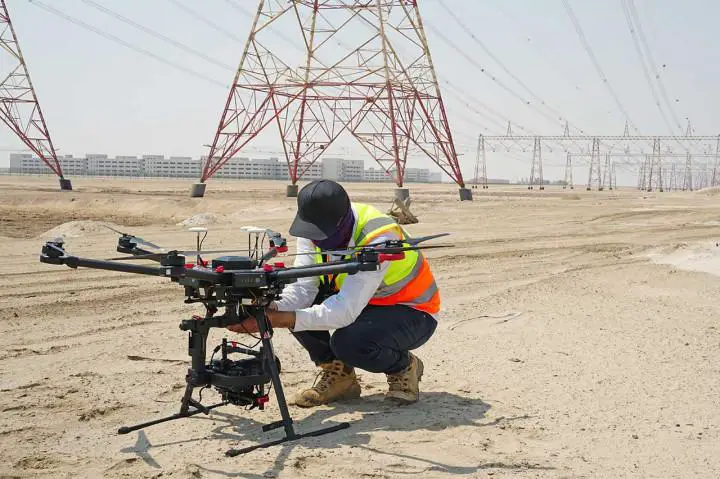
The Zimbabwe Electricity Supply Authority (ZESA) is now legally able to incorporate drones in its infrastructure management. This announcement was made at an event the national power company held to mark its acquisition of a Remotely Piloted Aircraft Operator’s Certificate (ROC).
According to an article by Newsday published on June 15, 2022, speaking at ZESA’s drone technology certification ceremony in Harare Executive Chairman Sydney Gata said certification of the use of drone technology in their day-to-day operations is expected to improve service delivery.
“This will enable a quicker turn-around in fault finding and rectification resulting in the continuous and consistent provision of electricity to our customers. Drone technology will also assist ZETDC in its fight against vandalism and theft of electricity.”
ZESA is battling a myriad of challenges including incessant faults, mainly emanating from aging power distribution infrastructure. This has seen the country grappling with endless power cuts.
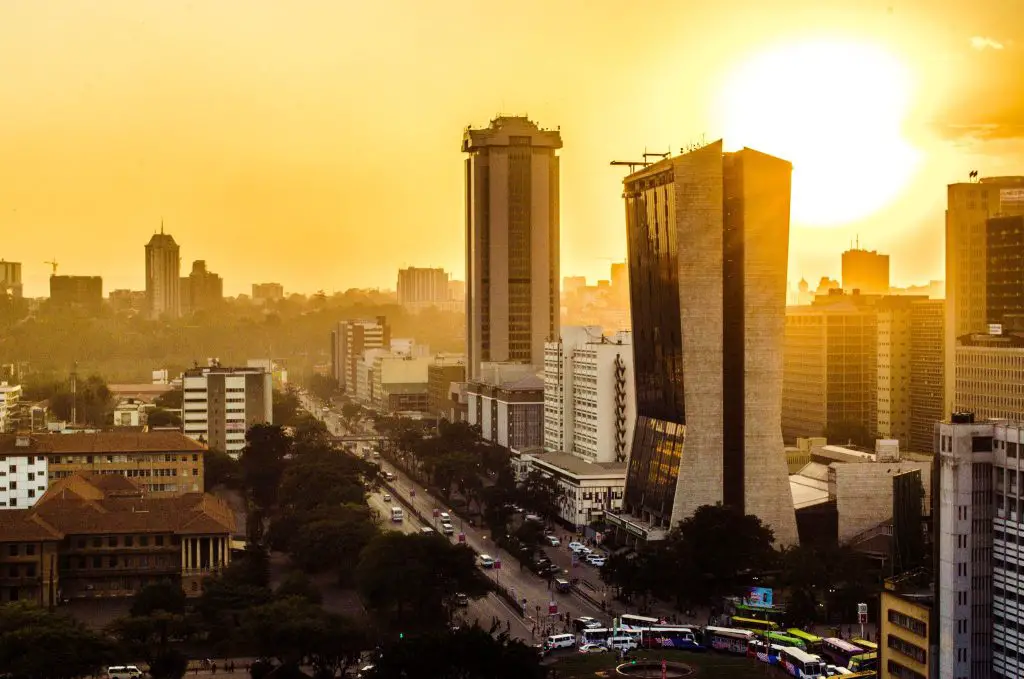
East Africa’s economy is booming, with yearly GDP growth trending upward. The region’s GDP was expected to grow by roughly 5 per cent by 2020. Despite the Covid-19 epidemic, the region increased by 3 per cent in 2021 and is expected to increase to 5 per cent in 2022.