

Trending
- VALR sets sights on East Africa as blockchain moves deeper into Africa’s financial system
- The cost of the data gap: Why Kenya’s lenders can’t afford to miss the full picture
- Tanzania takes EAC labour migration helm as regional rules face overhaul
- 2026 is turning out as a defining year in geopolitics, but for whom?
- Saudi Arabia and Tanzania pledge to deepen bilateral trade ties
- Tanzania rewrites its digital investment playbook
- Ethical sourcing boosting demand for Tanzania organic cotton
- DRC deploys 70,000 Ebola vaccine doses in high-stakes trial against deadly Bundibugyo strain


Browsing: external debt
AFRODAD and SADC have joined hands to boost Africa’s debt sustainability by cushioning highly indebted countries. Between 2004 and 2018,…
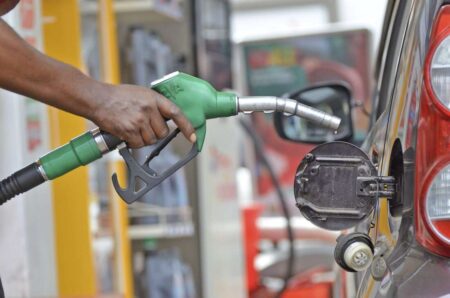
For many Kenyans, life was unbearable during former President Uhuru Kenyatta’s reign. But just one year after President William Ruto came to power, life is getting more onerous. High taxation, the depreciation of the shilling against the dollar, and record-high fuel prices have highlighted the last few months. This has painted a grim picture of Kenya’s future and shattered citizens’ hopes for economic reinvigoration.
On September 14, 2023, the Energy and Petroleum Regulatory Authority (EPRA) announced record-high fuel prices for the September-October regulation cycle. A litre of super will now retail at Kes 211.64, diesel at Kes 200.90, and Kerosene at Kes 202.61. This represents an increase of Kes 16.96, 21.32, and 33.13, respectively, in the new prices announced last midnight.
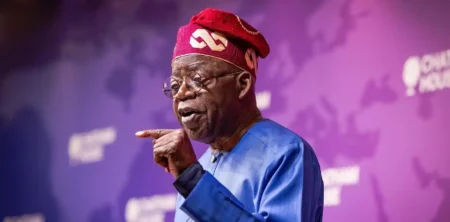
As the 16th president of Nigeria, Bola Ahmed Tinubu has inherited an economy grappling with record-high inflation, enduring unemployment, extreme poverty, crumbling infrastructure and high levels of insecurity. However, Nigeria’s debt situation is a sore thumb among these challenges.
Nigeria’s external debt stock stood at US$41.69 billion in 2022. Multilateral lenders accounted for almost half of this figure, with Eurobonds taking about 38 per cent of Nigeria’s external debt. China’s Exim Bank accounts for US$4.3 billion, or 86 per cent of the $5 billion in bilateral debt.
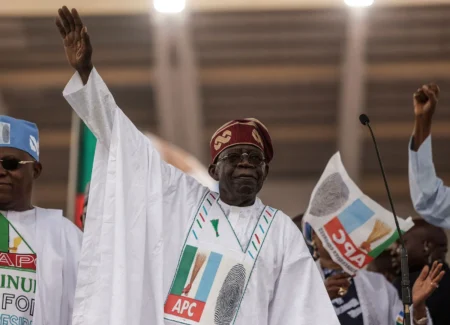
In his inaugural address on May 29, President Bola Tinubu stated his plans to revive Nigeria’s ailing economy. After being sworn in as Nigeria’s 16th President, Tinubu expressed his immediate objective to achieve higher GDP of not less than 6 per cent annually and a significant reduction in the unemployment rate.
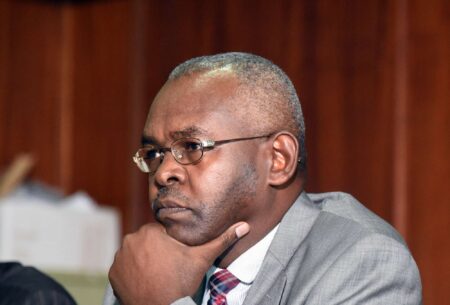
On 15 May, President William Ruto nominated Kamau Thugge as the new governor of the Central Bank of Kenya (CBK). If the Senate and the National Assembly ratify the appointment, Thugge will begin his first term as the CBK governor in mid-June. He will replace the incumbent Patrick Njoroge who assumed office as CBK governor in 2015.
The nomination of Thugge comes at a pivotal time for the Kenyan economy. Kenya’s inflation remains high at almost 8 per cent. The Kenyan shilling has also hit all-time lows against the US dollar. Thus, the monetary policies from the CBK will most likely come in handy in the coming months. But what makes Thugge the perfect fit for the crucial role of Kenya’s top banker?

Currently, Africa is over-exposed to the impact of the US Dollar. Thus, African nations must either act individually or together to mitigate these effects. Dollar strength bursts are cyclical. Therefore, there should be enough time to implement efforts before the next one occurs. African governments have recognized the harm done in the previous year and should work round the clock to find a lasting solution.