


Trending
- Africa’s Green Economy Summit 2026 readies pipeline of investment-ready green ventures
- East Africa banks on youth-led innovation to transform food systems sector
- The Washington Accords and Rwanda DRC Peace Deal
- Binance Junior, a crypto savings account targeting children and teens debuts in Africa
- African Union Agenda 2063 and the Conflicts Threatening “The Africa We Want”
- New HIV prevention drug is out — can ravaged African nations afford to miss it?
- From banking to supply chains, here’s how blockchain is powering lives across Africa
- Modern railways system sparks fresh drive in Tanzania’s economic ambitions


Browsing: Kenya National Bureau of Statistics

Investment and trade between the two countries was valued at more than $600 million last year. Kenya’s exports last year…
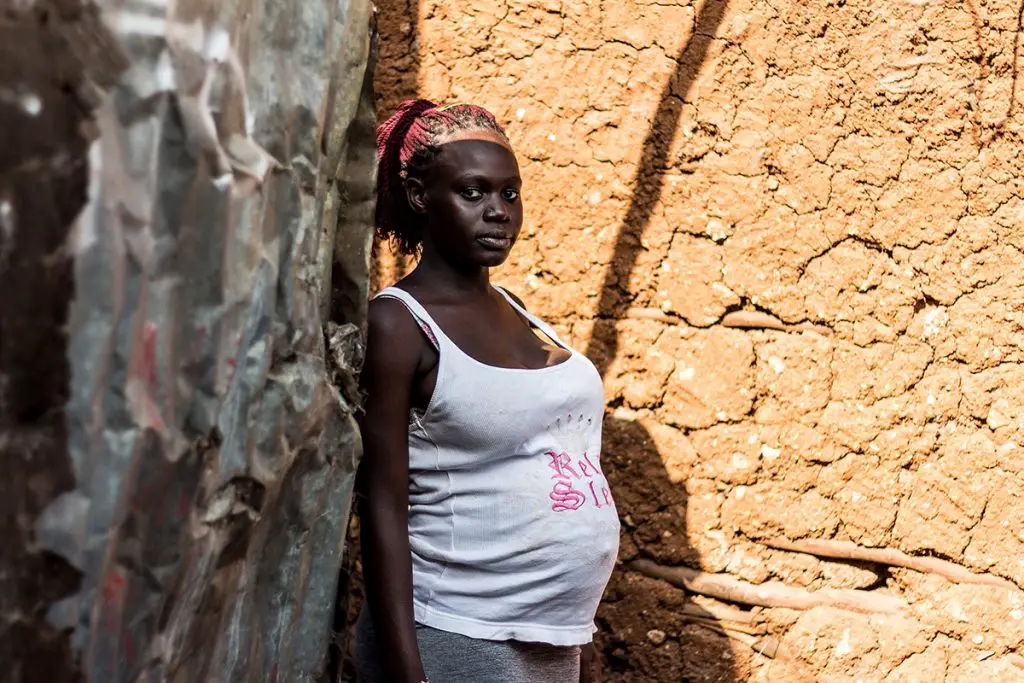
Studies indicate that girls marrying or dropping out of school early are more likely to have poor health, bear more children over their lifetime and earn less in adulthood. Ending early child marriage according to a report (The cost of not investing in girls: Child marriage, early childbearing, low educational attainment for girls, and their impacts in Uganda), could generate up to US$2.7 billion in annual benefits (in purchasing power parity terms)which includes lower population, among others.
Moreover, it would contribute to increased earnings for women today had they been able to avoid early marriage, say, in 2015.
Instead, up to US$500 million is lost. The loss according to the report is due to risks associated with early marriage and childbirth such as under-five mortality and stunting for young children. Moreover, with a lower population, governments could invest resources to improve the quality of the services provided, instead of squeezing their miniature budgets to meet the needs of a larger population.
In the first six months of the year, Kenya’s food imports had increased to sh103.34 billion. The figures collected by the Kenya Revenue Authority (KRA) showed that the food imports were sh12.35 billion more than the amount spent in the same period in 2020.
According to data from the national treasury, import expenditure increased by 29 per cent in the third quarter of 2021. China is the most significant contributor of Kenyan imports accounting for 31.6 per cent of the total bill from the Asian continent.
This is the fastest growth in the food import bill since a 60 per cent jump recorded in 2016 when the bill stood at sh82.83 billion. The exponential increase has been linked to the growing popularity of digital trading, allowing retailers and consumers to order and ship food and other commodities directly.
Kenya is among some eight countries that the United Arab Emirates (UAE) wants to deepen trade ties with, even as…