


Trending
- East Africa banks on youth-led innovation to transform food systems sector
- The Washington Accords and Rwanda DRC Peace Deal
- Binance Junior, a crypto savings account targeting children and teens debuts in Africa
- African Union Agenda 2063 and the Conflicts Threatening “The Africa We Want”
- New HIV prevention drug is out — can ravaged African nations afford to miss it?
- From banking to supply chains, here’s how blockchain is powering lives across Africa
- Modern railways system sparks fresh drive in Tanzania’s economic ambitions
- Viktoria Ventures honoured for advancing angel investing across Africa


Browsing: Startups

Startups in Africa report just over $100M in funding even as the number of deals signed dipped compared to a…
Foodtech startups are leading a movement that aims to enhance food security and transform African agriculture into a model of economic…
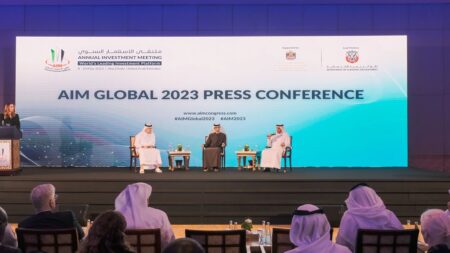
The Annual Investment Meeting and Emirates Angel Investors Association agree to turn UAE into a thriving base for startups. The…

In Kenya, 37,000 metric tonnes of plastic get into the Indian ocean annually causing devastating disruption in our marine ecosystem.…

The Baobab network has called for applications for the Cohort 1, 2023 accelerator programme The accelerator programme is designed to…
The Kenyan Startup ecosystem has employed 11,000 people according to the latest analysis by Disrupt Africa. The Kenyan Startup Ecosystem…
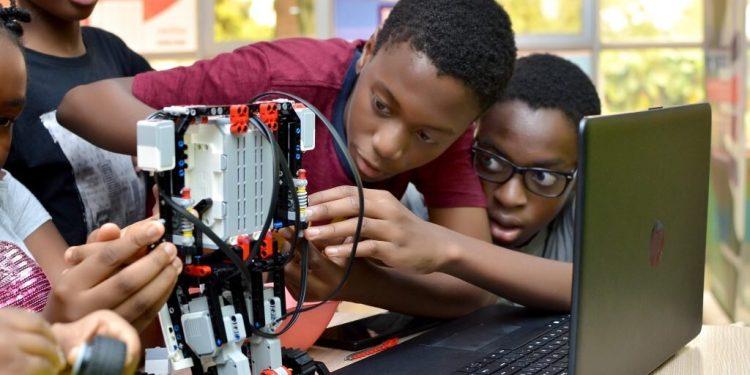
Every August, 10,000 teams will be allowed to register for that year’s African Startup League competition. The top 100 projects will win cash prizes (investments) of a minimum of US$10,000, with top startup projects walking away with a minimum of US$1,000,000 investment.
The rules of the African Startup League will be published in The Exchange on or before June 20th, 2022. The competition will run from August until December, with the winners being chosen and announced no later than December 15th of each year.
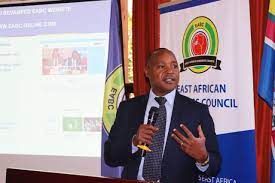
World Bank further notes that the unified digitisation of the East African economy is estimated to generate up to a US$2.6 billion boost in GDP and 4.5 million new jobs that will largely benefit those at the bottom of the pyramid.
Data by GSMA reveals that by the end of 2020, 495 million people subscribed to mobile services in Sub-Saharan Africa, representing 46 percent of the region’s population, an increase of almost 20 million on 2019.
GSMA revealed that smartphone connections will more than double by 2025 in Sub-Saharan Africa with the East African Community registering the largest incremental growth, led by Rwanda and Tanzania.
Norrsken22 plans on capitalizing on its general partners’ years of experience and investment philosophies to back startups in fintech, MedTech, Edtech, and market-enabling solutions such as B2B marketplaces and inventory management businesses.
Kolbe, whose previous firm Actis backed Egyptian fintech giant Fawry in 2019 as it prepared to go public, said Norrsken would look at Egypt ‘opportunistically.’
Deals from the country that may be of interest to the firm will be those planning an expansion into the four markets Norrsken22 is currently keen on, including Nigeria, Ghana, Kenya and South Africa.
Based on a report by Disrupt Africa, funding for health tech startups in Africa jumped 257.7% from US$28.8m in 2019 to US$103m in 2020. These startups provide a wide range of services from scheduling medical consultations to telemedicine and digitalized imagery.
MaiSoin from Cote d’Ivoire uses a decentralized, gig-economy model, to facilitate the relationship between healthcare professionals and patients needing care at home or via telemedicine. In their first year of operations, they have had an average of 50% growth month over month and are already looking at potential expansions in the region.