

Trending
- VALR sets sights on East Africa as blockchain moves deeper into Africa’s financial system
- The cost of the data gap: Why Kenya’s lenders can’t afford to miss the full picture
- Tanzania takes EAC labour migration helm as regional rules face overhaul
- 2026 is turning out as a defining year in geopolitics, but for whom?
- Saudi Arabia and Tanzania pledge to deepen bilateral trade ties
- Tanzania rewrites its digital investment playbook
- Ethical sourcing boosting demand for Tanzania organic cotton
- DRC deploys 70,000 Ebola vaccine doses in high-stakes trial against deadly Bundibugyo strain


Browsing: United States
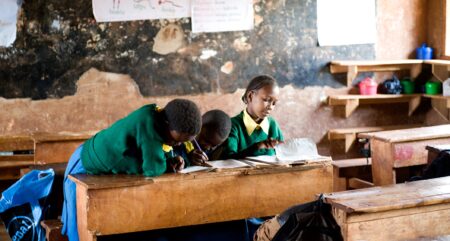
Kenya’s education sector is set to receive nearly $32 million of investment from the United States to support new partnerships…

Around 200 countries have agreed on how to run the Climate Loss and Damage Fund to help vulnerable nations address…
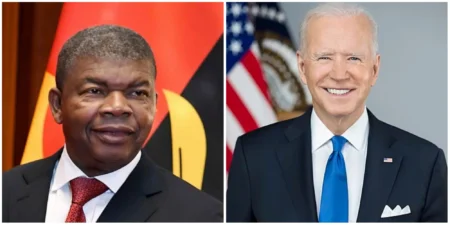
As Angola President João Manuel Gonçalves Lourenço visits the White House on Thursday, November 30, the US is poised to strengthen a complex alliance developed during the past three decades of diplomatic ties between the two countries. Going beyond the usual protocol, this visit exemplifies the growing bond between two countries sharing common ideals with hope for a bright and safe future.

The strategic manoeuvrings of the United States in the DRC’s cobalt mines serve as an international yardstick for how well…

Russia’s invasion of Ukraine in February 2022 threw oil and gas markets into disarray. Consequently, the world experienced the first real global energy crisis during the uneven economic recovery from the COVID-19 epidemic. Russia’s inclusion in the OPEC+ group has hampered international attempts to manage the situation. This has made it harder to handle the significant inflationary effects of rising global fuel prices, particularly in developing nations.
Global fuel prices have risen exponentially in the last few months. The rise is hugely significant, as it has seriously aggravated the global cost-of-living crisis. African economies have particularly been on the receiving end. The continent has suffered from disrupted supply chains and a slowdown in the global economic outlook. Thus, rising energy costs complicate matters even further.

International tourist arrivals grew 32 per cent in the half-year to June, closing at 847,810 as Kenya’s tourism sector growth continued post-Covid-19. This was up from 642,861 arrivals recorded in the same period last year, as official data from the Ministry of Tourism indicates.
The performance represents a 92 per cent recovery compared to the same period in 2019. The increased numbers came with higher earnings for the country and the sector.

The BRICS countries bear a profound responsibility amid a shifting global economic axis. They have the extraordinary chance to reshape the world order, bestowing more significant equity and amplified voice upon the realms of the Global South.
A defining moment in the global economic axis awaits as the BRICS Summit 2023 gathers in South Africa. It signals the member countries to seize this opportunity to shape an unprecedented global economic governance system, an inclusive, all-encompassing, and efficient system.
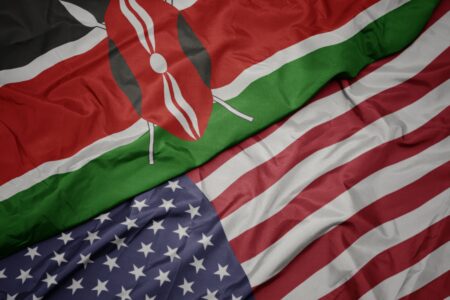
President William Ruto’s election in August 2022 introduced an element of uncertainty in Kenya’s foreign policy landscape. While it is challenging to predict the exact trajectory, his past statements suggest a more pragmatic and balanced approach to international relations. While emphasizing the importance of regional integration and South-South cooperation, President Ruto has also acknowledged the significance of Kenya’s longstanding relationship with the United States. This nuanced stance implies that the government might not abandon the Look East Policy entirely but rather recalibrate to strike a more balanced approach between the East and the West.
Until the Biden Administration, US-Africa trade relations had remained remarkably consistent. Africa Growth and Opportunities Act (AGOA), in place since October 2000 through five separate US administrations, has been the ‘centrepiece’ of this consistency.
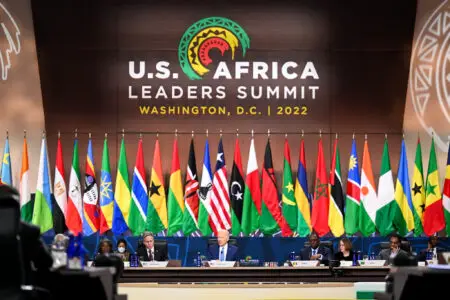
In recent years, Africa has emerged as a promising destination for global investment, with its vast natural resources, expanding consumer markets, and growing middle class. As the continent’s economies continue to strengthen and diversify, global players increasingly recognise the potential for mutually beneficial partnerships. The United States has significantly contributed to Africa’s economic transformation among these partners.