




- Public leaders manage one-third of the global workforce.
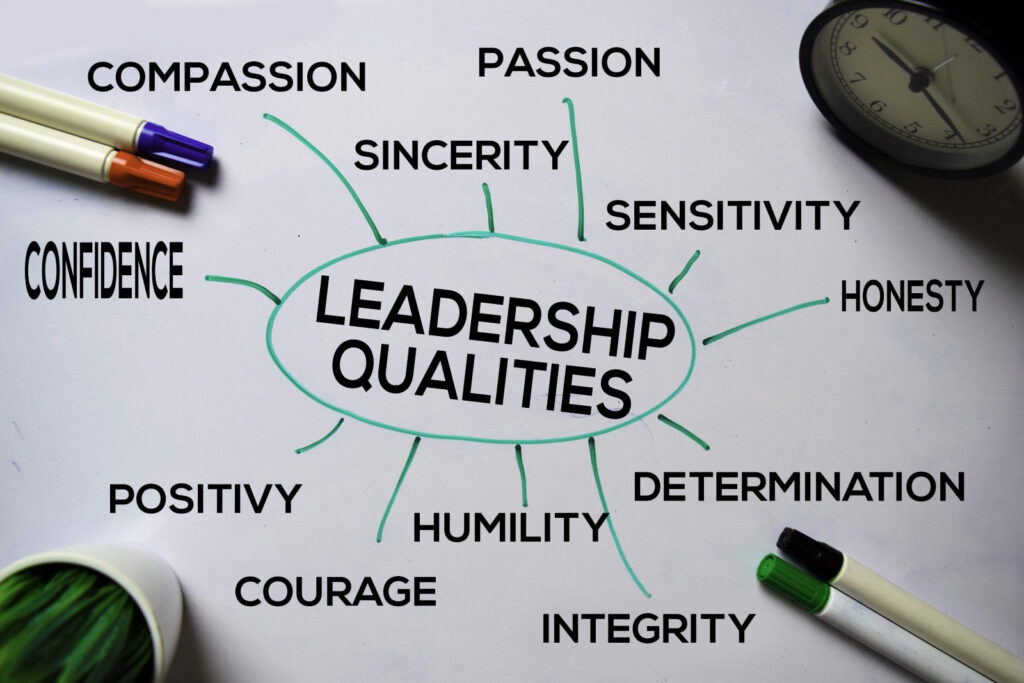
- Character, values, and integrity define great leaders.
- Thought leaders need to articulate vision and turn it into strategy.
Qualities of good leaders determine success. However, while much is known about what makes private sector CEOs successful but research is lacking on the practices of public sector leaders.
This despite the fact that, “it is highlited that public sector leaders manage one-third of the global workforce, around a quarter of global GDP, and services that are essential for societies,” highlights a report by the research institute McKinsey.
The research looks at a database of public service leaders who have excelled, drawing on a global survey of over 750 senior leaders and interviews with over 60 current and former secretaries and public sector CEOs.
“We found that the traits that underpin excellence in public sector leaders overlap significantly with those of their private sector counterparts,” reads the report in part.
However, the report goes on to point out the fact that the political and operating context of public leaders is far more complex and challenging, calling for a special capacity to drive impact while transcending limitations.
“As one leader put it, they need to be able to do everything private sector CEOs do, but backwards and in high heels.”
“A large majority of our survey respondents said their organizations face significantly tighter budgetary constraints, and most felt challenged by limitations in their ability to attract and retain necessary talent,” the report reads.
When asked what characterized the most outstanding qualities of good leaders they had worked with, the research respondents suggested that character was everything.
“One of the most cited traits was being respected for character, values, and integrity. Your integrity and ethics are the core of being in the public service,” the research shows.
Then followed two other essential qualities of good leaders, these are clarity of purpose and the ability to deliver results despite ambiguity and change.
An important aspect that goes with these qualities of good leaders, is the fact that, public sector leaders face a level of external scrutiny that is unmatched in other sectors.
For example, the report cites, failed programs can be highly visible and bring severe, personal consequences for top leaders while successful programs, which can be harder to measure, may be rewarded with a reduced budget when delivered efficiently.
Also Read: AIM Congress 2025: Visionaries chart the future of smart cities and inclusive innovation

Qualities of good leaders: Two elements of leadership excellence
1. Set the direction
Setting a clear direction comes at the top of the list of practices of excellent leaders and is ranked in the report as the primary hallmark of qualities of good leaders, irrespective of department size, executive tenure, and jurisdiction.
“The best leaders I’ve worked with had a transformative vision beyond the next five years. . . . They don’t just manage for today, but for a larger vision,” the report quotes one of the respondents.
In setting the direction, the report says three specific practices matter, first , the leader must define a purposeful vision and bring it to life.
“Stating a vision is necessary but not sufficient. Excellent leaders bring their vision to life, making it authentic and meaningful to themselves, their organization, and the people they serve” it details.
Speaking of the importance of bringing a vision to life, one leader said, “What differentiates those who excel is a compelling vision on what the future of their organization and community looks like; and they’re capable enough to help everyone buy into the vision.”
“Then the leader must translate vision into strategy and policy.”
“Excellent leaders are pragmatic about translating the big picture into real choices,” the report says.
It emphasizes that among the qualities of good leaders is the ability to translate the big picture in the first 100 days of a new administration or term of office.
“In this period, leaders need to define both their nonnegotiable reforms along with a broader set of options for intervention,” it details.
When you first take office, says the report, there is a flurry of activity and leaders need to be pragmatic and prioritize based on their strategic objectives.
“Don’t anchor too hard on your conceptual view, use judgment and empirical tests to get feedback loops, as opposed to focusing on the perfect policy idea,” a respondent advised.
The report goes on to advise that great leaders must; “Mobilize and allocate resources creatively. Given constrained budgets, excellent public sector leaders are vocal about the resources they need and are savvy in marshaling the necessary support to secure them.”
“They are also adept at leveraging resources from outside their organizations, for example, through strategic partnerships,” says the report.
One leader put it like this, “As a manager in the public sector, you must never resign yourself to the available budget. What is important here is how I organize support in order to realize a growth strategy.”
The report says among the qualities of good leaders is clear, long-term planning.
“But they are also acutely aware of how quickly things can change. They work constantly to ensure their plans and budgets are resilient and they are thoughtful in reallocating resources to align with evolving strategic and political priorities,” it details.
2. Mobilize through leaders
“Excellent leaders put great thought and effort into the composition of their top team,” the research shows.
Limitations to getting good personnel, says the report, can include lower compensation relative to other sectors, shortages of critical talent at supporting layers (such as digital), and corrective measures to address poor performance when it occurs.
“The primary challenge of the CEO is to identify the strengths of their team and find situations where they can be effective,” details the report.
To build a team that goes the extra mile, then one of the most important decisions of leaders is the formation of department leads.
These department leads are senior talent who; “share the same passion and perspective and are themselves willing to go the extra mile.”
“I was successful because I was able to rely on a team that I could choose. I could only do such complex tasks with a team of people I could absolutely trust. This is one of the most critical factors for success: hand-picking your own team,” the report quotes another respondent.
It is also advised in the report against a complete reset of the top team but instead leaders are urged to enable the current team.
A transport and infrastructure leader that was interviewed said, “I don’t like to shock the system when I come in by changing or replacing the people massively. I like to understand people and their motivation to create a balance where they feel safe, but they are on their toes to deliver their maximum. I would only make changes after one year.”