


- Chinese firm Wang Wah set to accelerate Brazzaville’s oil production, aiming at raising output to 200,000 barrels per day (bpd) in five years.
- Wing Wah is to develop the Banga Kayo, Holmoni and Cayo oil fields.
- Congo is projecting to increase oil production by harnessing the potential of the three licenses to over 1.3 billion barrels by 2050.
The Republic of the Congo has signed a $23 billion hydrocarbon deal with China’s Wing Wah to develop the Banga Kayo, Holmoni and Cayo permits, aiming to raise national oil output to 200,000 bpd by 2030
The chase for hydrocarbon billions in the Republic of the Congo has intensified with Chinese miner Wing Wah signing a $23 billion agreement to extract minerals from Banga Kayo, Holmoni and Cayo.
In an update the agreement seeks to accelerate Brazzaville’s oil production and development, aiming at raising output to 200,000 barrels per day (bpd) in five years.
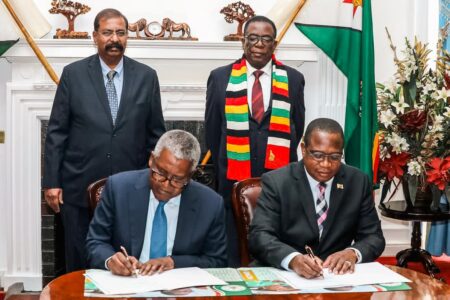
This agreement between Congo and a Chinese company was entered into in August by the country’s Minister for Hydrocarbons Bruno Jean-Richard Itoua, Minister of State Jean-Jacques Bouya with Wing Wah’s President General Xiao Lianping.
The Republic of Congo oil output forecast by 2050
Under investments by the Chinese multinational, Congo is projecting to increase its oil production by harnessing the potential of the three licenses to over 1.3 billion barrels by 2050.
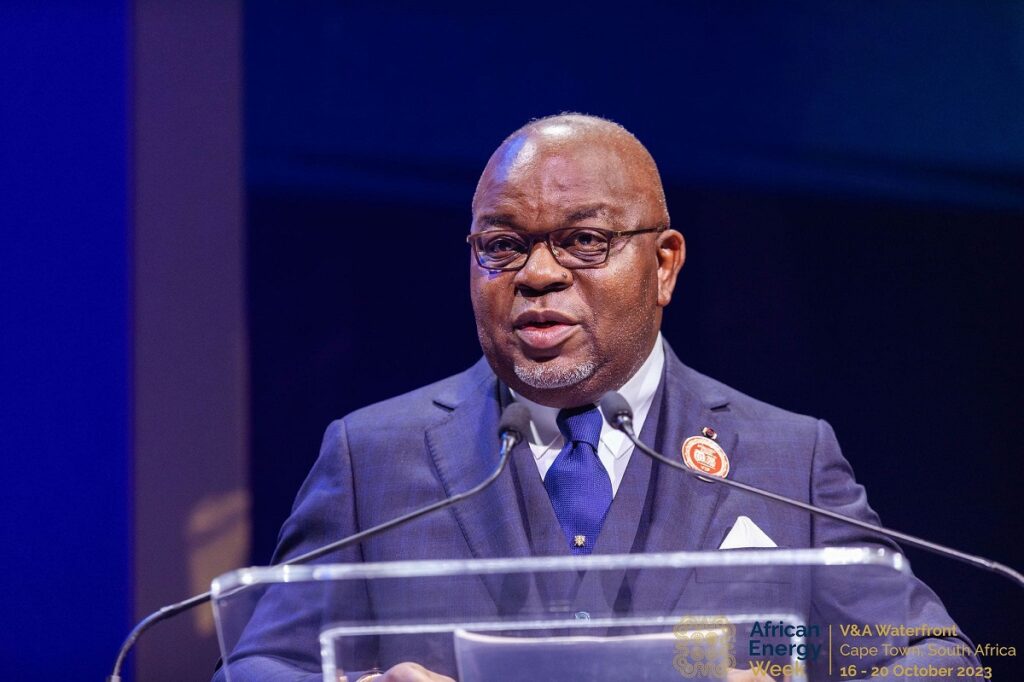
“With ambitious plans to increase production capacity, Congo is set to unlock new opportunities for sustainable economic growth through strategic oil and gas investments,” stated NJ Ayuk, Executive Chairman, African Energy Chamber.
Experts in the industry note that the three permits will be a key cog in driving Congo’s economic, and financial growth as it will see the pumping of $23 billion worth of investment.
According to the African Energy Chamber, Republic of Congo’s move to deepen exploration of oil and gas resources aims at advancing the country’s “energy sovereignty through the valorization of associated gas for domestic use which is key to reducing routine flaring.”
“A cornerstone of the project is the creation of a training center, aimed at boosting local content by equipping Congolese citizens at all skill levels to access new job opportunities generated by the development,” the Chamber explained in a statement.
Wing Wah to invest in Congo’s LNG, LPG and propane sector
Under the agreement, Wing Wah will develop an integrated gas monetization component, and further invest to expand the country’s LNG, LPG, butane and propane production capacity with a view to meet both local demand and export business.
The integrated nature of the development includes scalable gas treatment infrastructure, on-site power generation and water-management systems–all designed for efficiency and community benefit.
In terms of job creation, the three permits are poised to see the employment of about 3,000–3,300 workers, with rollover social benefits such as excess power and treated water offered to communities in the target area.
Currently Wing Wah has already established its presence in the Congo through the development of the Banga Kayo field, which comprises of 237–250 drilled wells producing roughly 45,000 bpd, with a projected peak output of 50,000–80,000 bpd.
“The Republic of the Congo is aggressively developing its oil and gas resources, led by its Ministry of Hydrocarbons. The country’s rapid approach to resource development serves as a model for other African nations rich in natural resources,” says NJ Ayuk, Executive Chairman, African Energy Chamber.
The Republic of Congo took a significant step towards maximizing its hydrocarbon resources with the signing of an amended Production Sharing Contract (PSC) between Minister of Hydrocarbons Bruno Jean-Richard Itoua and China’s Wing Wah Oil Company for the Banga Kayo block last year.
This move marked the beginning of development at the block and underscored the country’s commitment to tapping into its untapped resources.
The amended PSC outlined a three-phase development plan, demonstrating the importance of public-private partnerships in developing oil and gas projects in Africa, providing a clear path to resource monetization.