
Trending
- Africa’s Green Economy Summit 2026 readies pipeline of investment-ready green ventures
- East Africa banks on youth-led innovation to transform food systems sector
- The Washington Accords and Rwanda DRC Peace Deal
- Binance Junior, a crypto savings account targeting children and teens debuts in Africa
- African Union Agenda 2063 and the Conflicts Threatening “The Africa We Want”
- New HIV prevention drug is out — can ravaged African nations afford to miss it?
- From banking to supply chains, here’s how blockchain is powering lives across Africa
- Modern railways system sparks fresh drive in Tanzania’s economic ambitions


Author: furtherafrica.com
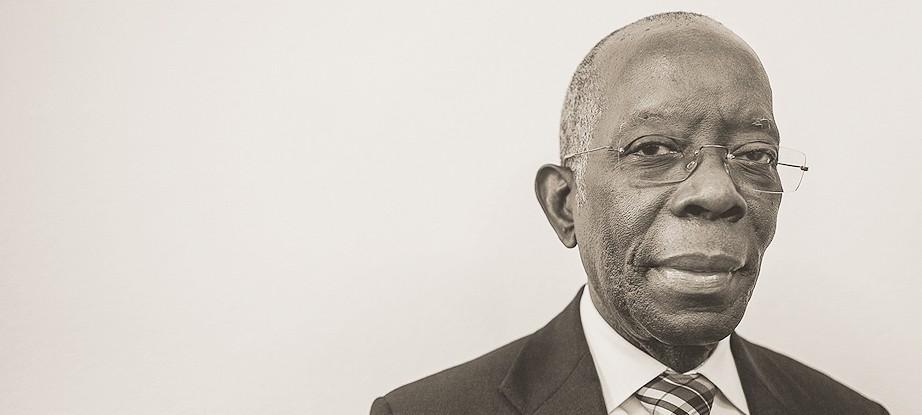
Mozambique is a country blessed with vast natural resources and abundant fertile lands – some of the key elements to ignite economic growth and social development that promises to change the good faith of the country. Nevertheless, and despite the massive approved foreign investment related to natural gas rivalling its GDP, Mozambique will face strong challenges in order to secure a better future. FurtherAfrica spoke to H.E. Adriano Maleiane, Mozambique’s Minister of Economy and Finance to better understand how the country intends to tackle these challenges using long-term strategies to ensure economic sustainability and a better future for its people.…
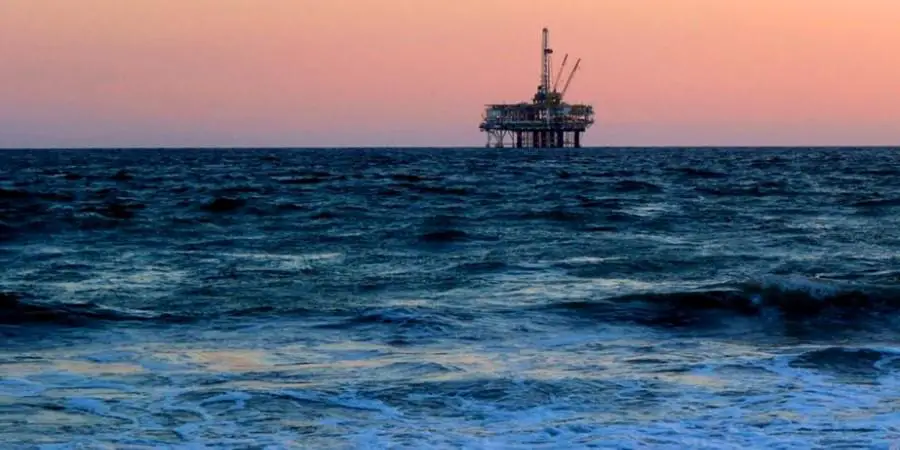
As the Mozambique LNG plant nears US$15B finance – making it the biggest private investment in Africa – two main points of view arise, diametrically opposed: Also Read: Angola’s exceptional measures in force during sanitary enclosure a more cautious short-term assessment identifies the current oversupply of natural gas worldwide, and a steep drop in price; in Asia, for instance, prices dipped so much that importers in China have released themselves from contracts claiming “force majeure”, a clause often invoked during natural disasters or war. Prices in Asia have fallen below US$3 per million British thermal units, whereas in mid-January it was…

A webinar organised by The Power & Electricity World Africa, entitled “Achieving Energy Security: Encouraging Healthy Competition And Regulation For IPPs”, took place on the morning of July 14th, 2020. Also Read: Angola’s exceptional measures in force during sanitary enclosure The attending virtual panel consisted of: Dr. Clinton Carter-Brown, Energy Centre Head, CSIR, South Africa – Moderator Vitor Marquez da Cruz, Managing Director, MC&A Advogados Eng. Julius Riungu, CEO, Tsavo Power, Kenya The topic of African Energy security and the challenges ahead was debated in a little over an hour, with very insightful contributions from all parties involved being brought to…
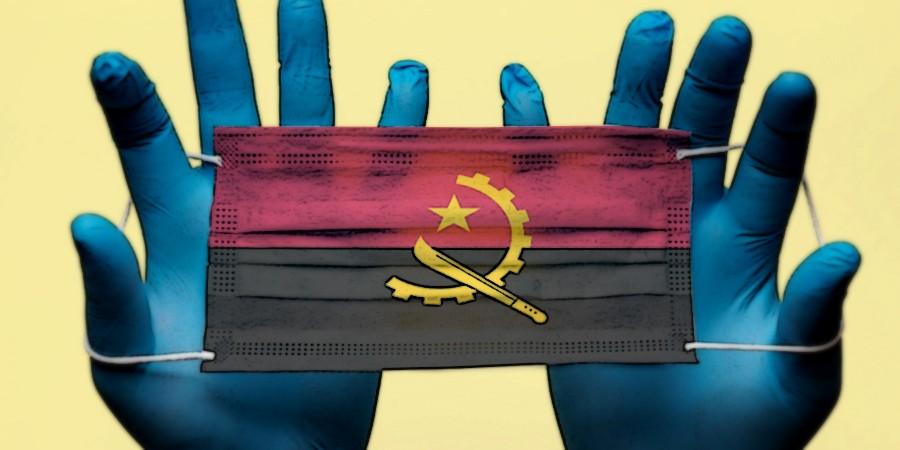
Entered into force the Presidential Decree 184/20, that foresees exceptional and temporary measures that will be in force when the Sanitary Enclosure is declared in any Angolan Province or Municipality. Also Read: Angola – Important amendment to the Private Investment law The main measures are the following: Use of face mask is mandatory in the public road, markets, commercial establishments, places of worship, educational establishments, public transports and, in general, all the enclosed spaces that are open to the public. If the facial mask is not used when mandatory, the person is not permitted to enter in that space/establishment and may…
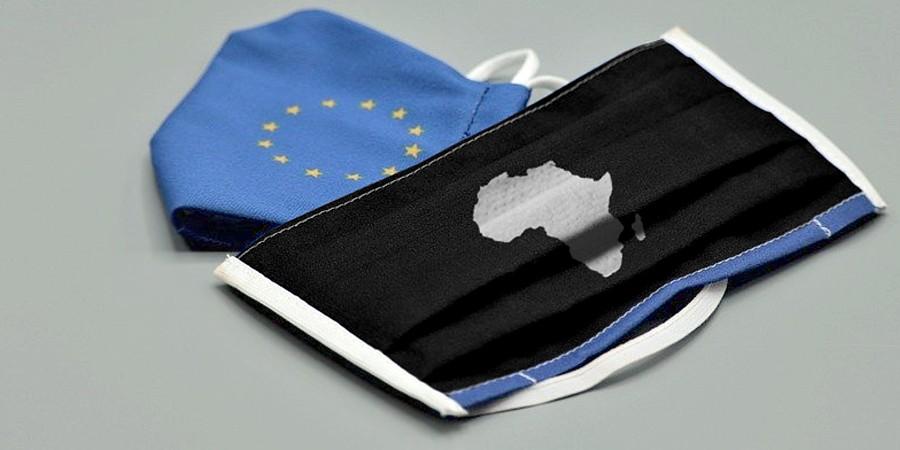
Mozambique, Angola, Namibia, Ethiopia, Zambia, Rwanda, Uganda, Egypt, Tunisia, Algeria and Morocco. These are the African countries set to be allowed to enter the EU territory as the borders reopen in July, according to a draft list of the countries obtained and reported by euronews. As the European Union gets ready to reopen its borders, officials in Brussels are debating behind closed doors, the draft of two lists; one with those countries that will be accepted, and one for those which will not, as the territory struggle to meet their previously announced July 1st goal. The euronews sources also reported that officials “could not…

Following recent announcements from the government, Mozambique’s BNI (Banco Nacional de Investimentos) is about to launch two credit lines to assist the country’s SMEs to mitigate the effects of the COVID19 pandemic. Small and medium companies represent the core of the country’s formal/ informal economy and have been heavily affected by the pandemic. The new credit lines are due to be officially announced by BNI this week and will address specifically SMEs, hospitality and education with an expected interest rate below the market rates. Also Read: Legal pointers for Mozambique SMEs The credit lines are meant to assist companies affected by COVID-19 in…
Bearing in mind the Law number 10/2018, of June 26 (Private Investment Law), which adjusted the legal and institutional framework to perform private investments in Angola, the Angolan Government approved the Private Investment’s Legal Proceedings Regulation in order to allow the capture and execution of investments with faster and easier procedures. The above mentioned regulation establishes the procedures for the legal registration of proposals of private investment projects, the attribution of benefits and advantages, monitoring, supervision, as well as penalties and extinction of rights granted under the Private Investment Law. The Private Investment projects begin with the delivery of all…
Withholding Tax (WHT) is an advanced payment on income tax deducted directly from source by a service provider. The taxpayer could be a company or an individual and the rate of WHT ranges from 2.5% to 10%, depending on the nature of the transaction. WHT is not a separate tax but serves as a credit against the tax liability of the taxpayer. For example, companies are required to pay Companies Income Tax (CIT) at the end of their accounting year and after their audited accounts have been filed. At the point of the assessment of their CIT liabilities, the WHT…
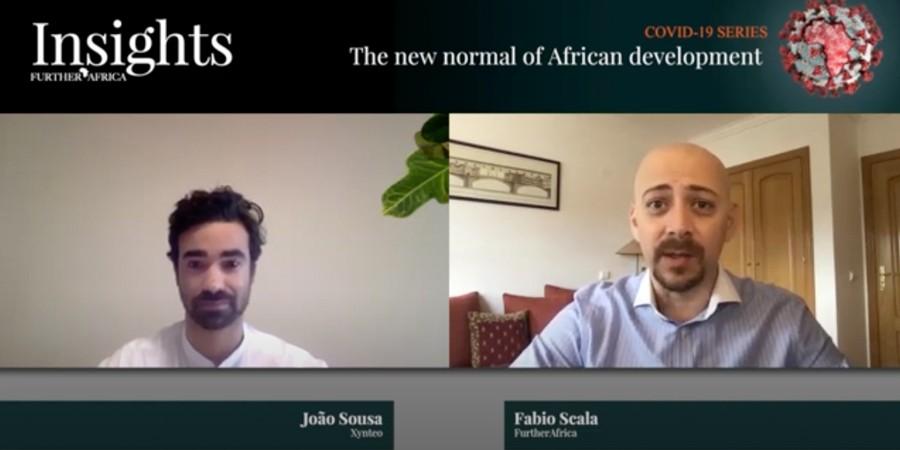
FurtherAfrica Insights – COVID19 series with João Sousa from Xynteo. A conversation about the role of different stakeholders in the development process and the opportunities to reshape inclusion particularly from the private sector in a post COVID19 world.
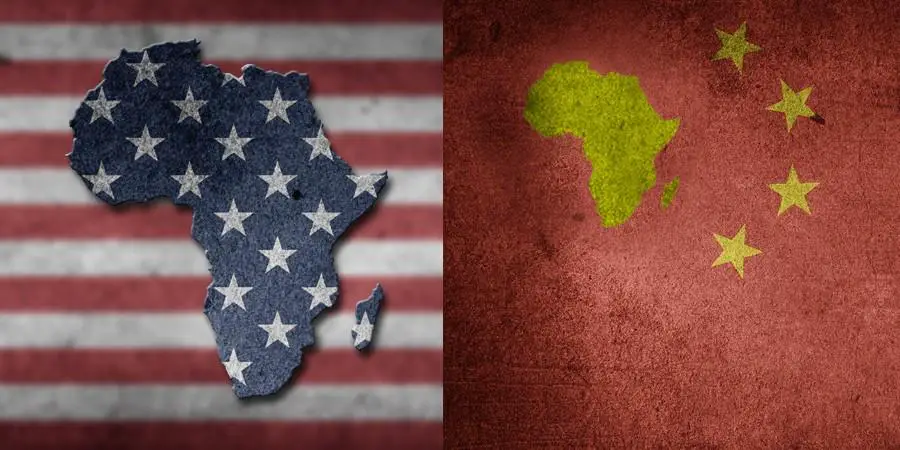
Any predictions regarding what economies are going to look like after this crisis, have to be taken at face value by the best buyer. In other words, I believe that any forecast carries a great deal of speculation, as we are sailing uncharted waters and the last few months have proven that, so to compare the current situation to any past crisis is not very efficient to say the least. Nevertheless, speculation is what we have at hand, and much like everyone else locked up in quarantine, I have been observing the developments and formulating some theories. I’ve also had…