


Trending
- Africa’s Green Economy Summit 2026 readies pipeline of investment-ready green ventures
- East Africa banks on youth-led innovation to transform food systems sector
- The Washington Accords and Rwanda DRC Peace Deal
- Binance Junior, a crypto savings account targeting children and teens debuts in Africa
- African Union Agenda 2063 and the Conflicts Threatening “The Africa We Want”
- New HIV prevention drug is out — can ravaged African nations afford to miss it?
- From banking to supply chains, here’s how blockchain is powering lives across Africa
- Modern railways system sparks fresh drive in Tanzania’s economic ambitions


Author: Jack Oduor

Bankers in Kenya are grappling with record 18-year high loan defaults due to high interest rates and a tough business environment. Central Bank of Kenya Governor Dr. Kamau Thugge says that despite the rise in bad loans, the banking sector remains stable and resilient The overall balance of payments is projected to be a surplus of $554 million in 2024 which should result in a reserves buildup of $1,920 million The rate of loan defaults in Kenya has hit records last seen over 18 years ago as the fiscal policies meant to cushion the country from high inflation take a…

Kenya and the IMF talks on a new loan are making “significant progress,” Central Bank Governor has revealed. The country eyes about $487.2 million (Sh62.9 billion) under the IMF’s Extended Fund Facility (EFF) and Extended Credit Facility (ECF). Completing the second review under the Resilience and Sustainability Facility (RSF), approved on July 17, 2023, will provide another $120 million to Kenya. Kenya will receive a loan of up to $1.61 billion (Sh209.3billion) from the International Monetary Fund (IMF) in December to back up the governments reserves, the Central Bank of Kenya has revealed. This is after the government and IMF…

Handcraft artisans in Kenya have over the years been exploited by profit-sapping middlemen who set prices for them. According to the Kenya Economic Survey Report 2023, the Jua Kali sector contributed 25% of the GDP, a similar contribution rate to that of agriculture. One of the challenges that the engagement is looking to address is the disparity in pricing for similar products, depending on where they are made. Technology and education are transforming the lives of Kenyan handmade craft artisans, offering new opportunities for growth, sustainability, and global market access. Artisans, who traditionally relied on local markets and limited resources, are…

Kenya has unveiled a plan to help MSMEs meet international export standards. Through the plan, Kenyan will be able to secure necessary product certifications for easier entry into foreign markets. Kenya plans to send over 300 MSMEs to the trade fair, focusing on presenting high-quality, export-ready products. Kenya’s Ministry of Co-operatives and Micro, Small and Medium Enterprises has launched a new initiative aimed at enhancing regional trade and improving the export competitiveness of high-potential products. This program seeks to address existing supply gaps in global markets and help local businesses tap into higher price segments. The initiative will include boosting the…
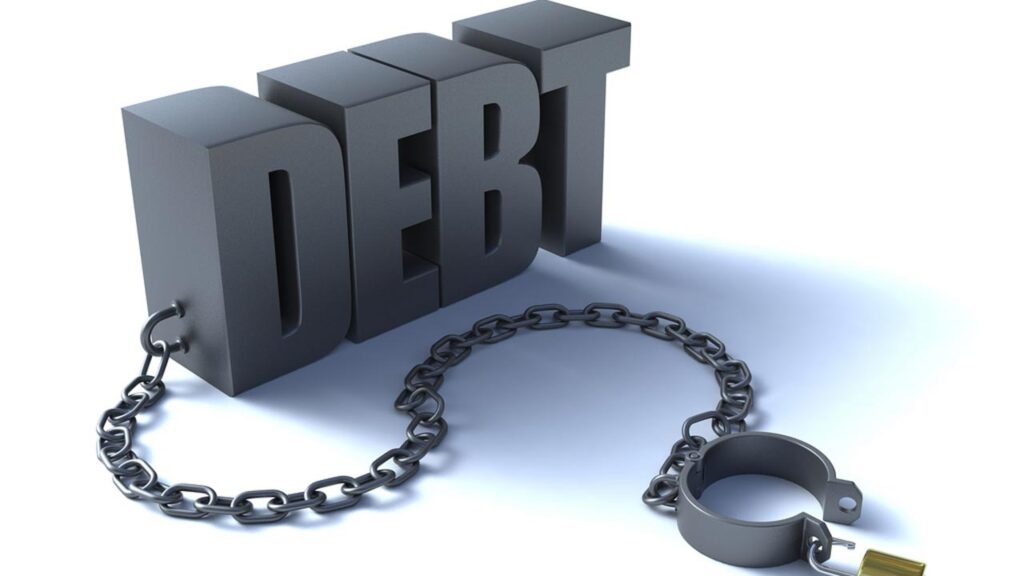
Kenya’s rising debt obligations have failed to reduce the debt that currently stands at about $82.2 billion. Service costs went up from 58% after the government paid $2 billion Eurobond. Sovereign bond-holders accounted for $6.6 billion of the external public debt stock. The National Treasury has laid bare the pain awaiting Kenyans in repaying loans borrowed from external lenders and domestically. Fresh data tabled in Parliament reveals that taxpayers will dig deeper in their pockets in the next financial years to repay loan obligations. Details show that for every $0.78) Sh100 the government collects, $0.53 (Sh68) goes to servicing the…
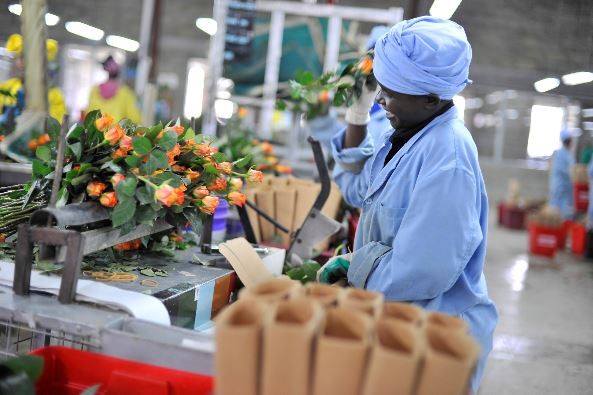
Kenya’s rose flower exports face increased scrutiny in the EU despite the market remaining the top destination for fresh produce. Kephis says that the EU has imposed stricter guidelines for flower exports. In addition to roses, capsicum has also seen a rise in interceptions, with seven cases in 2023 compared to zero in 2020. Heightened scrutiny for Kenya’s rose exports Kenya’s flower export industry, particularly its rose exports, is facing heightened scrutiny from the European Union (EU) as interceptions of shipments due to pest concerns have significantly increased. 2023 there were 37 interceptions on roses, nearly doubling the 21 interceptions…

Mastercard Gateway is a global payment platform that offers protection from fraud and simplifies payment acceptance. The main forces behind this change are the speed, security, and ease of use provided by digital wallets and mobile money. Mobile money services like MTN Mobile Money, Airtel Money, and Kenya’s M-Pesa are becoming to become well-known brands. Mastercard and Amazon Payment Services have entered a multi-year partnership to digitize payment acceptance across key markets in the Middle East and Africa. The agreement includes Bahrain, Egypt, Jordan, Kuwait, Lebanon, Oman, Qatar, South Africa, and the UAE. Through the partnership, Amazon Payment Services will…

Ransomware attacks cost the healthcare sector $2.57M, with only 22% of ransomware victims fully recovered in a week or less. Organizations with breached backups were twice as likely to pay the ransom to recover encrypted data. Insurance providers play a significant role in these ransom payments, contributing to 77% of cases and covering 19% of the total ransom amounts. Cyber-attacks targeted towards health organisations have increased by 7 per cent in the past year to hit a four-year high since 2021. New findings titled “The State of Ransomware in Healthcare 2024,” by cybersecurity firm Sophos, reveal that healthcare is reporting…

Kenya’s private equity deals size are expected to remain modest this year. However, despite the high optimism, deal sizes in East Africa are expected to remain modest. However, businesses are concerned that firms will be scouting for exits, too. Kenya and its East Africa peers are confident that the fundraising environment for businesses will continue improving in the next 12 months even as the continent experiences mixed expectations. New findings by Audit firm Deloitte show that while East and West Africans largely anticipate an improvement, opinions in North and Southern Africa are divided, with some expecting improvements, others predicting stagnation,…
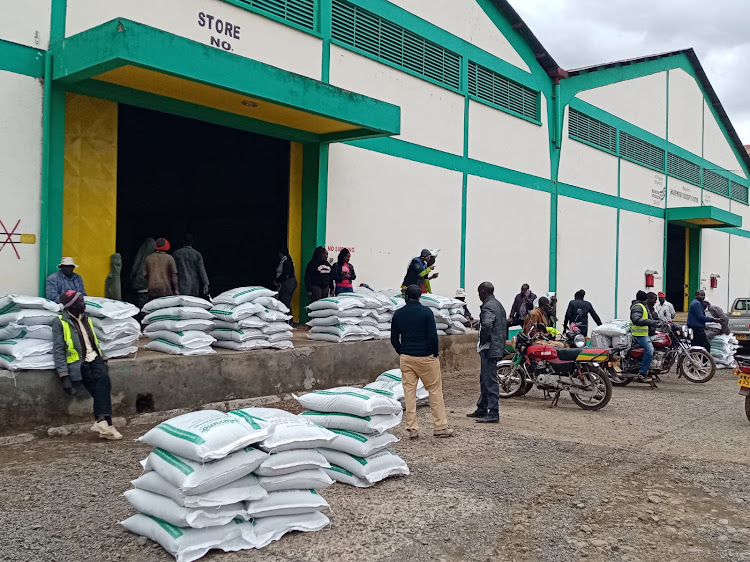
Kenya’s fertilizer distribution reforms were introduced by Ruto’s administration when it ascended to power. Fertilizer consumption in Kenya averaged 59 kilos per hectare of arable land between 2017 and 2021 AGRA says the disruption in the supply chain has forced SME agro dealers to cease operations, leading to a dysfunctional fertilizer distribution system. Kenya’s fertilizer distribution reforms have led to a 20.5 per cent drop in the country’s fertiliser usage, new findings by the AGRA show. The organisation, formerly known as the Alliance for Green Revolution, in its Africa Agriculture Status Report 2024 points out that the government led changes…