

Trending
- The Washington Accords and Rwanda DRC Peace Deal
- Binance Junior, a crypto savings account targeting children and teens debuts in Africa
- African Union Agenda 2063 and the Conflicts Threatening “The Africa We Want”
- New HIV prevention drug is out — can ravaged African nations afford to miss it?
- From banking to supply chains, here’s how blockchain is powering lives across Africa
- Modern railways system sparks fresh drive in Tanzania’s economic ambitions
- Viktoria Ventures honoured for advancing angel investing across Africa
- FSD Africa rolls out $30 million venture fund to speed up insurtech innovation


Author: Kimani Chege

For many businesses, 2020 would be a year they would not want to remember. The COVID-19 pandemic ravaged most of businesses globally with reduced sales, low cash flow, and restrictions to tame the spread of the pandemic. The situation was worse in the travel and tourism industry. The United Nations World Tourism Organization estimates that global international tourist arrivals have decreased by 58 percent to 78 percent in 2020, leading to a potential loss of US$0.9 to 1.2 trillion in international tourism receipts. In many of the world’s cities, planned travel went down by 80 to 90 percent. More than…
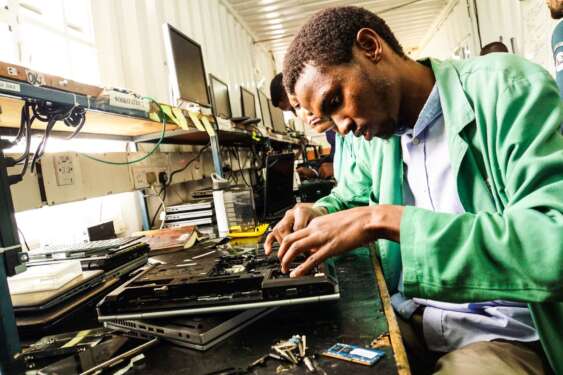
According to the Global E-Waste Monitor Report, in 2019 the world generated 53.6 million metric tonnes (Mt) of electronic waste (e-waste), and only 17.4 per cent was recycled through appropriate channels. Africa in particular lacks formal governance to support e-waste management.
Households in Africa generated 2.9 Mt of e-waste in 2019, of which only 0.9 per cent was reported to be collected and recycled by the formal sector. Discarded equipment such as phones, laptops, fridges, sensors and televisions contain substances that pose serious environmental and public health risks, particularly if treated inadequately.

Africa’s vast lands have for a long time not been exploited for agricultural production. In fact, 61% of the world’s unused arable land is found in Africa. Little effort is being made to exploit this vast resource to feed the continent. On the flip side, the Food and Agriculture Organization says 239 million people in the region were undernourished as of 2018.
Since long before the COVID-19 pandemic, these chronic food crises have been driven by a variety of factors, including economic shocks, climate, and conflict, according to Brookings Institute.
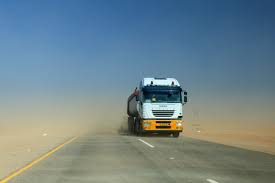
While Africa still lags behind in the development of an interconnected web of roads, railway lines, and profitable air routes, its potential has been described as one to watch. With the continent on an increased desire to improve infrastructure, private logistics firms are making a dollar sense with innovative initiatives. Investment rates in transport infrastructure have been increasing, thanks to major continental initiatives such as Programme for Infrastructure Development in Africa (PIDA) for mobilizing resources to transform Africa through modern infrastructure. A report compiled by research outlet ResearchAndMarkets.com tracked 448 large-scale transport projects (road, rail and bridges) across Africa at all…
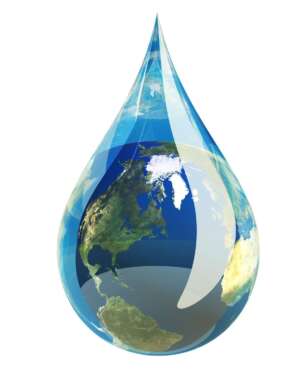
Africa and the US state of California share much in terms of terrain and their climate. Both regions are high agricultural producers while at the same time heavily affected by a changing climate which has threatened their future prospects.
However, as investors in the US look for a way of speculating and earning from water scarcity in California, there is little effort being undertaken to take advantage of the water situation in Africa for a return on investments.
Two billion people now live in countries plagued by water problems, and almost two-thirds of the world could face water shortages in just four years.
When the year 2020 started, there was little time for countries across the globe to work on their plans, as the COVID-19 pandemic emerged as soon as the year began. However, the effects of the virus were not felt until March devastating economies and leaving nothing to chance. East Africa has seen revision of economic growth as key indicators showed poor performance. Just like elsewhere globally, the stock markets dipped to extreme depths, national incomes from tourism and related economies returned their worst showing, and the health system was pushed beyond limits. However, it was not just the COVID-19 situation that devastated the region; poor agricultural production, locust infestation,…
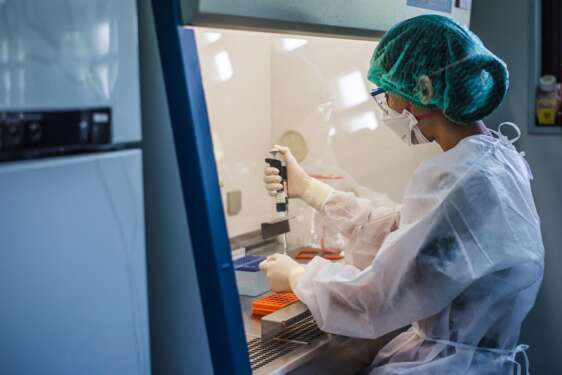
There are jitters among less developed countries as news of a potential vaccine candidate for Covid-19 was announced by Pfizer and BioNTech showing desirable traits. Most of the East African countries have signed up to be part of an arrangement by global countries to ensure fair distribution of any Covid-19 vaccine that might come out of the labs. However, reports are emerging that rich countries are already negotiating directly with the pharmaceutical companies to get the first service leaving over a hundred countries in despair. The arrangement is called COVID-19 Vaccine Global Access (COVAX) initiative. It is co-led by the…
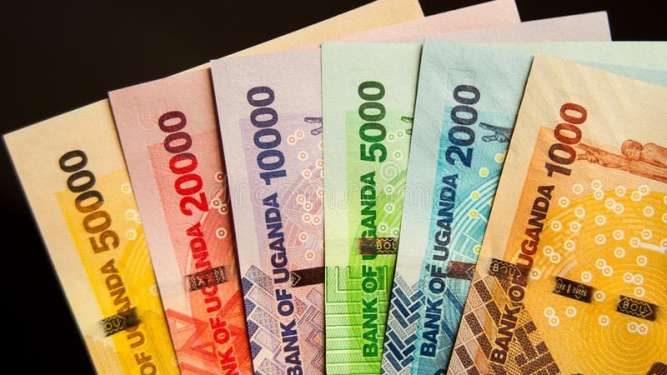
East African countries have had a tough balancing act in 2020 as the Covid-19 situation oscillated from good to bad over and over again. This is reminiscent of the global situation where central banks have been forced to use high-level tuning and juggling to ensure their currencies don’t fall beyond repair. Even the US dollar, the main international currency has suffered repeatedly with Chinese Yuan and Euro pushing it against the wall. In East Africa, a tough monetary policy by the central banks has seen currencies remain stable though with significant losses. Kenya for example, has seen its shilling lose ground to…

Kenya pension schemes are gearing up to undertake major infrastructural work, taking advantage of a growing need for capital both by government and the private sector. While most of the capital generated in Kenya for infrastructural development is often obtained in the form of concession loans, pension schemes have been utilized mainly in real estate as well as government bonds. However, under a new outfit called Kenya Pension Fund Investment Consortium (KEPFIC) plans are underway to form a partnership with pension funds in the United States, South Africa and the United Kingdom to facilitate KSh25bn (US$229.6 million) in investments in infrastructure,…

The guns on the plains of South Sudan seem to have fallen silent. But there is a more severe battle going on. The country is experiencing on of its worst financial crisis since its independence with prices of basic goods skyrocketing to unprecedented levels. Some news agencies are reporting that communities are opting to live in UN refugee camps, where they are assured of a meal and shelter rather than live in their own homes. The central bank is unable to intervene and reduce the country’s skyrocketing inflation rate, which now stands at 35%. The situation has been attributed to multiple…