


Trending
- The Washington Accords and Rwanda DRC Peace Deal
- Binance Junior, a crypto savings account targeting children and teens debuts in Africa
- African Union Agenda 2063 and the Conflicts Threatening “The Africa We Want”
- New HIV prevention drug is out — can ravaged African nations afford to miss it?
- From banking to supply chains, here’s how blockchain is powering lives across Africa
- Modern railways system sparks fresh drive in Tanzania’s economic ambitions
- Viktoria Ventures honoured for advancing angel investing across Africa
- FSD Africa rolls out $30 million venture fund to speed up insurtech innovation


Author: Kimani Chege

The tourism industry globally is one of the most sensitive sectors easily affected by political, economic, and social issues. 2020 has been one of the worst times for tourism in almost all destinations with countries losing billions of dollars as the world shut down over the COVID-19 pandemic. The United Nations World Tourism Organization estimates that global international tourist arrivals have decreased by 58 percent to 78 percent in 2020, leading to a potential loss of US$0.9 to 1.2 trillion in international tourism receipts. In many of the world’s cities, planned travel went down by 80 percent to 90 percent. More than 2.5 million Kenyans working in the tourism sector lost their jobs in the first half of 2020 due to COVID-19…

The dawn of 5G in Africa is here with us and what was once seen as a dream has turned to reality, albeit with revised expectations. South Africa became the first country in Africa to offer commercial 5G services with Rain, Vodacom and MTN piloting it in various cities and using different methods to reach their clients. Rain launched the country’s first commercial 5G network in partnership with China’s Huawei Technologies in 2019 in Johannesburg and Tshwane, offering subscribers unlimited data at speeds of up to 700Mbps for R1,000 per month. Since launch Rain has doubled its 5G coverage, achieving it by…

Tanzania has announced plans to roll out its own tea auction, a move that would tap major players from the country as well as from neighboring Rwanda, Burundi and Uganda, shrinking the turf held by the Mombasa auction. The country’s push for an auction is driven by the need to lower transport costs to Mombasa and boost farmers’ earnings. The reach is expected to be even bigger. The new tea auction will be conducted by the Tanzania Mercantile Exchange (TMX) via an online system, whereby buyers across the world will be able to get the opportunity to participate. First incorporated…
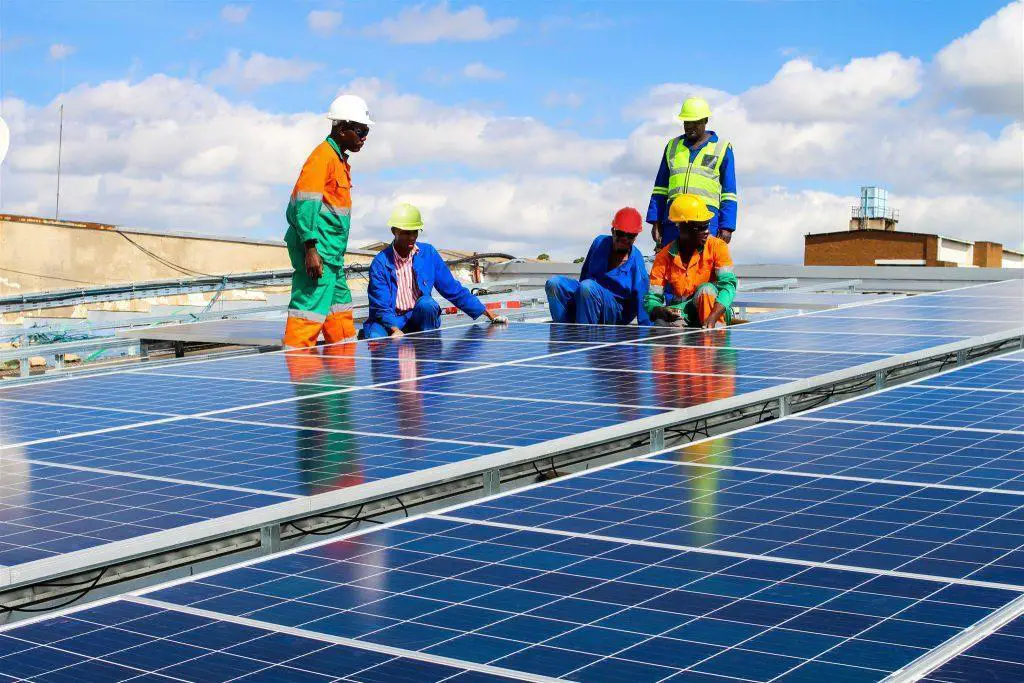
East Africa Data Centre (EADC) Asset Company has finalized a $1.2Million investment in design, installation, and maintenance of commercial and industrial solar systems conducted jointly with Distributed Power Africa (DPA) and Mettle Solar. EADC is a subsidiary of Liquid Telecom and is Kenya as well as Africa’s first and largest network of an interconnected, carrier, and cloud-neutral data center facilities. It is part of Africa Data Centres, a chain of data centers spread across Africa with hubs in Johannesburg, Kigali, Nairobi and Harare. DPA AND Mettle Solar’s partnership seeks to provide solutions to industries in Africa looking to meet their…

The production of animal feeds in Kenya has always been seen as the main challenge affecting the quality and price of milk production, compared to other countries in the East African region. For example, the cost of animal feeds imported from Uganda tends to be affordable compared to those produced in Kenya, accounting for a huge percent of the production cost. According to data from Kenya’s ministry of agriculture, feed currently accounts for 60 to 70% of livestock enterprise production costs. While Kenyan farmers have relied on processed feeds from established companies, agricultural researchers have been pushing for the adoption…
The East African region is a vast region with massive resources, population, and an established commercial landscape that presents viable business opportunities for external investors. According to statistics both by the World Bank and IMF, the region was one of the fastest-growing in Africa with a high influx of foreign direct investments. In the 2019 report, United Nations Conference on Trade and Development (UNCTAD) noted that the East African region including Ethiopia received $9 Billion in foreign direct investment with projections of this figure doubling over time. However, the effects of the Covid-19 has had a great effect both on…
When the Cisco Global Problem Solver Challenge 2020 winners were officially announced, one pair of Kenyan names stood out. Emmastella Gakuo and Percy Lemtukei, co-founders of Savanna Circuit Tech came out victorious bagging total funding of US$100,000. The initiators of this problem solver challenge aim to have a pool of entrepreneurs and innovators who are keen on developing a solution that changes the manner in which global issues can be addressed for the common person. The Cisco Global Problem Solver Challenge is an online competition that awards cash prizes to early-stage startups that have developed a solution that drives economic development or…
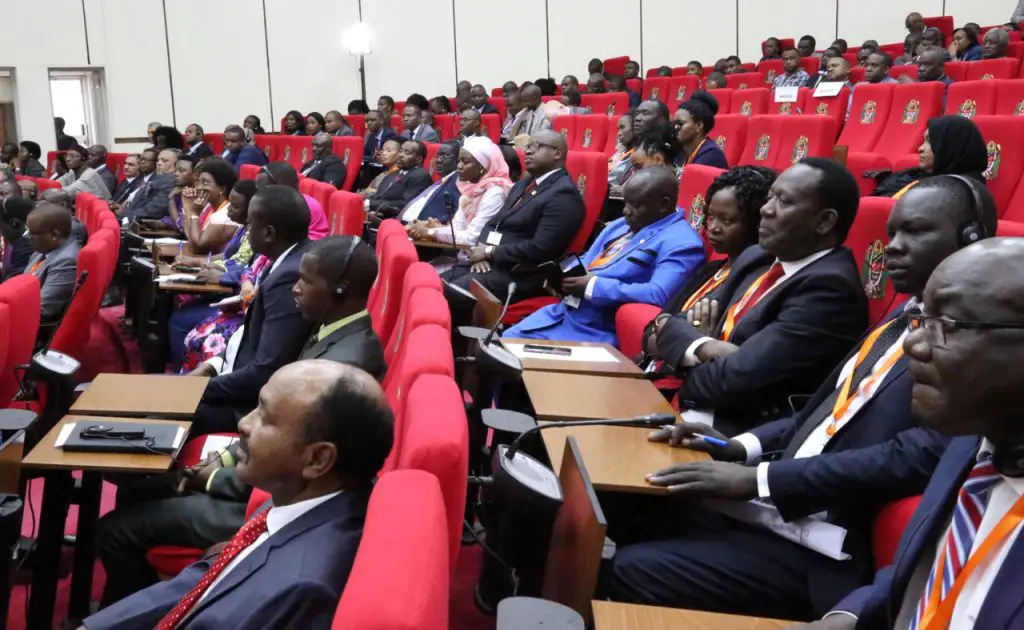
For the last 8 years, member states that make up the East African Community have not met their annual commitments to the regional body fully. The closest they came to fully meet these commitments was in the financial year 2011/12, and were at their lowest at 70% for FY2019/20. This has led to the EAC to push for its organs to reduce their budgets to adjust to this reality which has included reducing the number of activities and missions abroad. These efforts to reduce the expenses by the community were acknowledged last month by the African Development Bank, which ranked…
The East African Community (EAC) has spent twenty years of integration and admitted new members in the process. EAC Partner States signed the Protocol in November 2009, and it came into force on 1 July 2010. The common market is the first of its kind in Africa. The internal EAC market has about 146 million consumers. This second offering, after the initial community collapsed in 1977 has worked to learn from the mistakes of the past community. However, as things change, the more they have remained the same. There have been tensions between countries at different periods of time, some threatening the very core that set forth the…

Just before the onset of Covid-19, banks in many parts of Africa were pushing for adoption of online-based financial solutions but with little pressure. Then came Covid-19 and changed how people access their finances; this has created an urgency of sorts to promote financial inclusion. Some governments are currently providing incentives to pay for goods or services digitally, through mobile money or e-wallets. For example, Uganda has cut mobile money transfer fees; Egypt, Liberia, and Myanmar have increased transaction size limits, while authorities in Bangladesh, Cameroon, the Democratic Republic of Congo, Ghana, Kenya, Mozambique, Pakistan, Rwanda, Senegal, and Zambia have…