


Trending
- Who got the money and who didn’t in Africa’s 2025 race for foreign direct investments?
- AI’s Dual Capacity and a Strategic Opportunity for African Peace and Security
- How African economies dealt with the 2025 debt maturity wall
- Africa’s Green Economy Summit 2026 readies pipeline of investment-ready green ventures
- East Africa banks on youth-led innovation to transform food systems sector
- The Washington Accords and Rwanda DRC Peace Deal
- Binance Junior, a crypto savings account targeting children and teens debuts in Africa
- African Union Agenda 2063 and the Conflicts Threatening “The Africa We Want”


Author: Kimani Chege
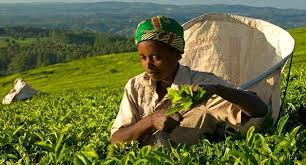
If there is anything that has put Kenya on the global map, then it is her teas. While the country has been forced to compete with Ethiopia and Uganda for crown coffee, South Africa and Tanzania for game safaris and Rwanda and Nigeria for ICT start-ups, it has easily overcome competition for its black tea. During the year 2019, a total of 497 million kilograms of tea were exported, 23 million kilograms higher than the 474 million kilograms exported in 2018. During the period, the tea sector contributed Ksh117 billion exports and Ksh22 billion in local sales towards the country’s GDP. Kenyan tea competes with tourism,…

When restrictions of movements were announced by different countries due to the Coronavirus pandemic, many people with perennial need of non-COVID-19 medication felt disenfranchised. Also, the fear of receiving non-certified medicine and other medical supplies has increased over this period. In Kenya, the ministry of health has sent a warning to Kenyans to be wary of fake medical materials including recycled masks and non-effective sanitizers which they feel are putting the citizens under great risk. Estimates from World Health Organisation (WHO) show that about 274 deaths occur every day in Africa as a result of fake medication. To continue offering…

Kenyan based Digital banking platform Kwara has announced the launch of its Kwara Pronto digital banking platform which is planned to help SACCOs at risk of disruption from the Coronavirus pandemic (COVID-19) to quickly go digital, remain in operation and continue serving members. The platform will be offered free for 3 months and will be available for the first 50 SACCOs who qualify. Due to government-enforced restrictions on movement and social distancing measures during COVID-19, SACCOs are unable to operate at full capacity. As a result, members face challenges applying for loans, transacting and accessing their funds. Kwara is offering…

Central Bank of Kenya has cracked the whip against the Absa Bank in Kenya for failure to conduct proper tracing of the source of money in a flagged transaction in March 2020. Consequently, the regulator has slapped the bank with a week- from Thursday, April 9 to Wednesday, April 15, 2020- suspension from trading in forex. In a statement, CBK notes that this failure contravenes anti-money laundering regulations which stipulates adherence to the proper tracing of funds passing through the bank. A statement by CBK reads, “In investigating these and other earlier transactions it is evident that Absa Kenya did…

As the initial cases of Coronavirus were bubbling under in China, a special event was happening in a Nairobi hotel. Safaricom, the biggest telco is the East African region was signing a deal that would allow South Korean telco Korean Telcom (KT) to introduce an epidemiological tracing technology in Kenya. The two entities joined together with the Ministry of Health to launch disease surveillance and awareness project that will enhance the country’s epidemic preparedness and control. Safiri Smart is part of Korea Telecom’s Global Epidemic Prevention Project and is aimed at helping the Ministry of Health prevent the transmission of infectious…

During the 2014-2015 Ebola outbreak in West Africa the disease brought the economies of the region to its knees. The overall impact of the Ebola crisis on Guinea, Liberia, and Sierra Leone was estimated by the World Bank to have hit $2.8 billion ($600 million for Guinea, $300 million for Liberia, and $1.9 billion for Sierra Leone). This included the shocks in 2014 and 2015, and 2016 as the economic impact is outlasting the epidemiological impact. The economies of the region remained in recession for a while and the countries are still showing signs of human capital loss as well…

The economies of the East African region have for a long time recorded impressive growths among other African peers. They have been expanding at an average rate of 6.3 percent, with that of Rwanda expected to lead at eight percent from 7.8 percent. This growth, however, is facing one of its biggest challenges with the emergence of the Novel Coronavirus, scientifically referred to as COVID-19 as well as local challenges including political processes and the recent locust invasion. These effects are likely to cut down on any projected growth and gains made over the years. Kenya, the largest economy in…
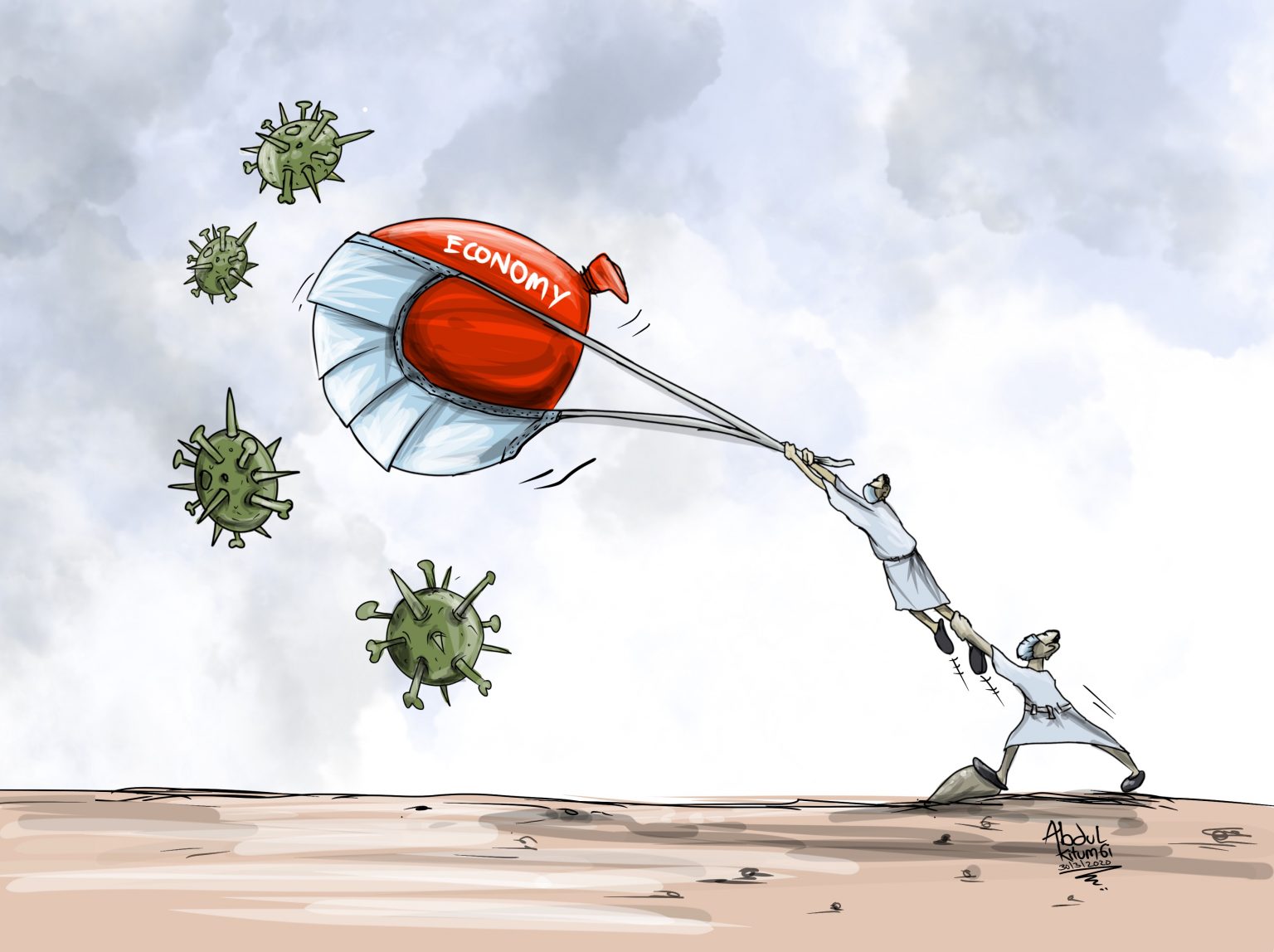
In anticipation of an extreme business environment brought about by the Coronavirus, various players in the African region are rolling out rescue plans for businesses. Economists have voiced their concerns of an extremely difficult economic situation and have urged players to brace for a rough 2020. Heeding such calls is EquaLife Capital, the East African based fund managers which has announced plans to roll out a $20MM Africa Venture Debt Relief Fund by April 15th for venture businesses starting with a preliminary focus on the East African region. “The Relief Fund is created and structured by entrepreneurs for entrepreneurs as we understand the…

The COVID-19 has ravaged the world changing the lives of millions and devastating economies across the world. With actual infections reaching over half a million people, the focus has now shifted to the role trade in wildlife contributes to such epidemics. Just like COVID-19, other previous emergencies in the world can be directly traced to wildlife trade. From HIV, to Ebola, Rift Valley fever, SARS, pandemic influenza H1N1 2009, yellow fever, avian influenza (H5N1) and (H7N9), West Nile virus and the Middle East respiratory syndrome coronavirus (MERS-CoV) reported in the recent past. World Health Organization (WHO) estimates that globally, about…
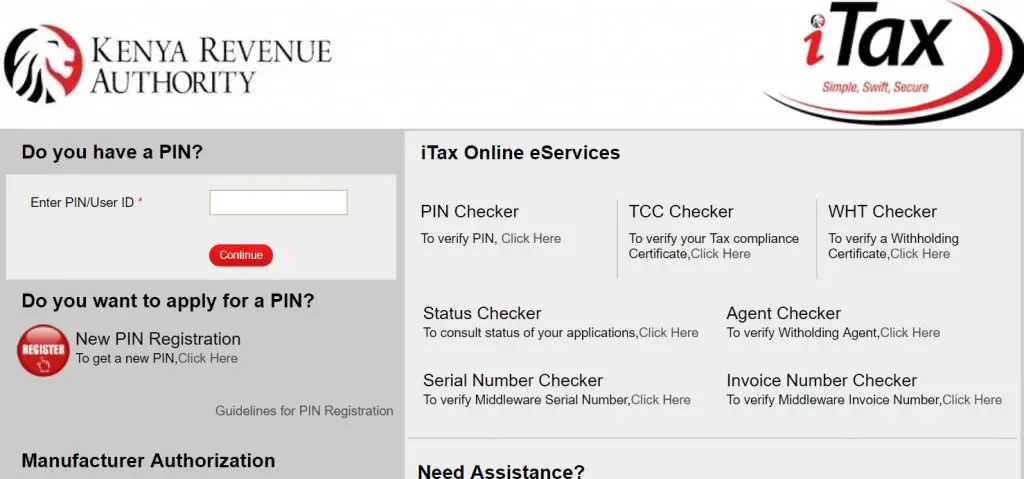
Digital initiatives intending to streamline tax procedures instituted by the Kenya Revenue Authority (KRA) in 2019 have opened up the door for bad actors to stop the legal transfers of properties held in collateral. KRA reintroduced in 2014 a 5% tax on the gains achieved when selling land, building or investment shares. It further enhanced the payment of this tax through its online portal i-Tax under the watchful eye of KRA agents to allow or deny exemptions. This, however, has brought chaos and a loophole for unscrupulous players to cheat the system. Prior to this online system change, buyers and…