


Trending
- Africa’s Green Economy Summit 2026 readies pipeline of investment-ready green ventures
- East Africa banks on youth-led innovation to transform food systems sector
- The Washington Accords and Rwanda DRC Peace Deal
- Binance Junior, a crypto savings account targeting children and teens debuts in Africa
- African Union Agenda 2063 and the Conflicts Threatening “The Africa We Want”
- New HIV prevention drug is out — can ravaged African nations afford to miss it?
- From banking to supply chains, here’s how blockchain is powering lives across Africa
- Modern railways system sparks fresh drive in Tanzania’s economic ambitions


Author: Albert Nangara
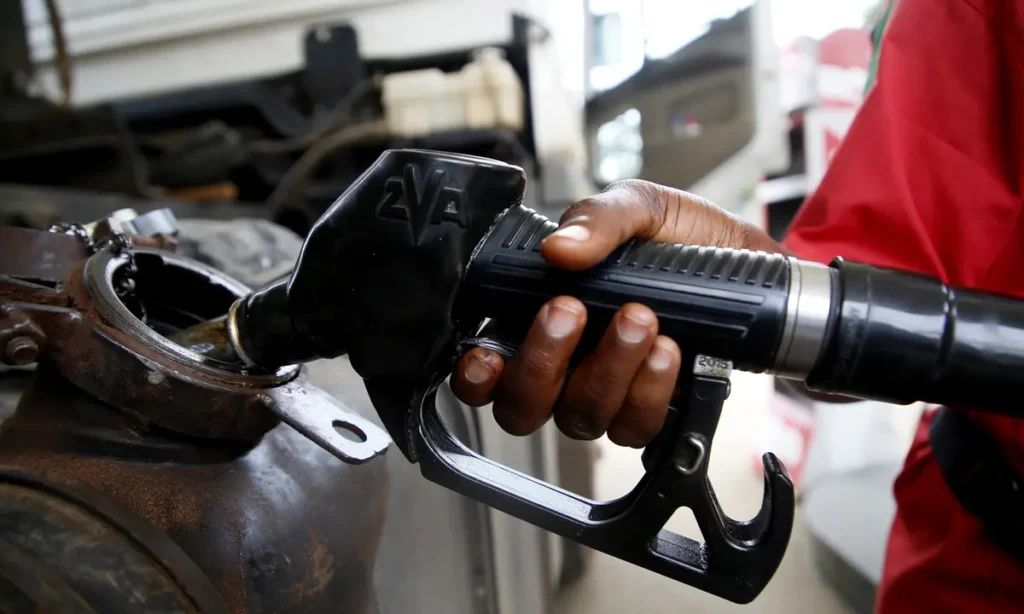
The energy crisis gripping South Africa is set to intensify as rising global oil prices, coupled with a heavy dependency on oil imports, threatens to trigger economic fallout in the country. The expected announcement of fuel price increases for October, will put further strain on the country’s economy.
According to data from the Central Energy Fund (CEF), the Automobile Association (AA) has issued a stark warning to South Africans about the impending hit on the economy starting October.

Zimbabwe’s economic history has been turbulent with hyperinflation, currency devaluation, and a shortage of the Zimbabwean dollar. To cope with these challenges, Zimbabweans embraced digital payments. In H1 2023, digital payment values rose by 40%, with transaction volumes seeing a slight 4% decline. Mobile money services such as EcoCash, OneMoney, Innbucks, O’mari, and Telecash are now crucial for transactions in Zimbabwe. For years, Zimbabwe has grappled with a severe shortage of physical currency. The nation’s economic turmoil commenced with hyperinflation, forcing the abandonment of its own currency in 2009. Instead, a mix of foreign currencies, primarily the US dollar, came…

RBZ Governor John Mangudya revealed that as of July 21st, the bank had conducted 11 issuances of GBDT. The Governor noted that the bank received 590 applications to purchase tokens equivalent to 325.02Kg of gold. In 2022, as the international economic environment worsened, Zimbabwe turned to gold coins were introduced to tame runaway inflation. Zimbabwe’s struggles with hyperinflation has since been making headlines for decades. In 2009, inflation was so devastating that the country issued a new Zimbabwean dollar (ZWL), shedding twelve zeros from the earlier currency (ZWD). By November 2022, the annual consumer price inflation for a compressed basket of goods…

The COVID-19 pandemic drastically altered the global education landscape. Consequently, it pushed educators to innovate rapidly and adapt to new modes of teaching and learning. In Southern Africa, the pandemic prompted a swift shift towards blended learning. This involved a combination of in-person and online education, as schools and universities temporarily closed their physical doors. The need to ensure continuity in education while minimizing the risks of virus transmission drove this unprecedented change in the education sector. Among the various approaches adopted during this period, e-learning emerged as a powerful tool with the potential to revolutionize education in Southern Africa. As such, the region’s education sector can harness the power of gamification to shape a brighter future for its students.
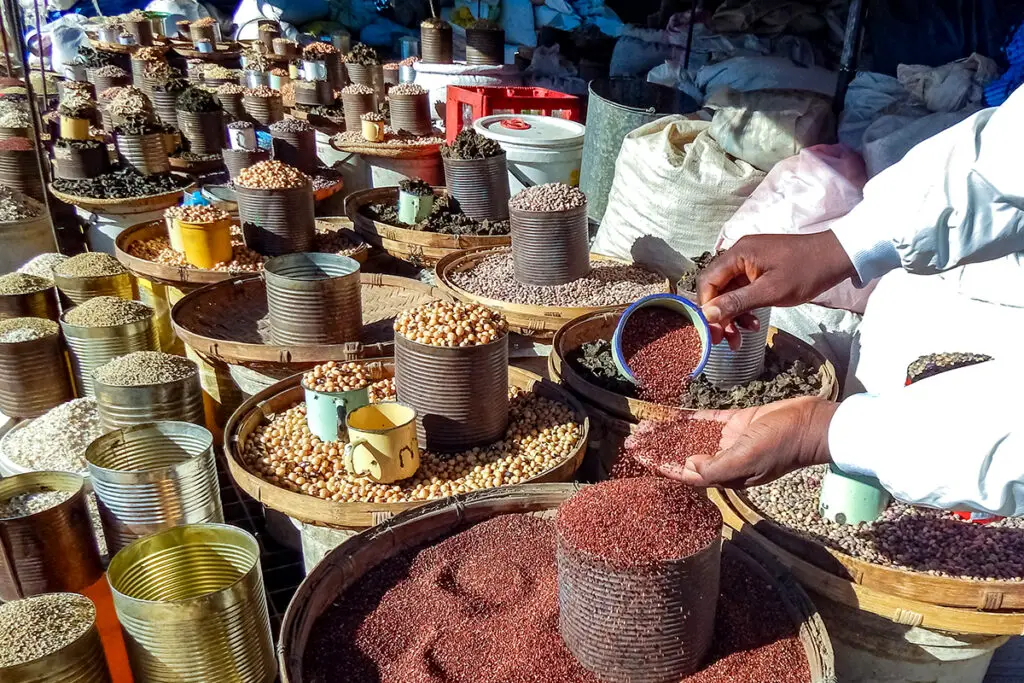
Commodity exchanges are organized marketplaces that facilitate the trading of agricultural commodities such as grains, livestock, and even precious metals. These exchanges provide a structured environment for buyers and sellers to come together and exchange commodities based on standardized contracts. In Southern Africa, these exchanges have taken on a transformative role in empowering farmers and bolstering the agricultural sector. Southern Africa’s agriculture is marked by its rich diversity of crops and products. According to International Fund for Agriculture (IFAD), agriculture is the largest sector in the East and Southern Africa region, employing 65 per cent of Africa’s labour force and…

The first quarter of 2023 witnessed a significant shift in communication trends in Zimbabwe. Voice traffic experienced a sharp decline while mobile internet and data traffic continued to surge. According to the quarterly bulletin released by the Postal and Telecommunications Regulatory Authority of Zimbabwe (POTRAZ), the country’s mobile internet and data traffic witnessed a 12.3 per cent increase. It reached 37,690.4 Terabytes by the end of Q1 2023, compared to 33,576.4 in the previous quarter.
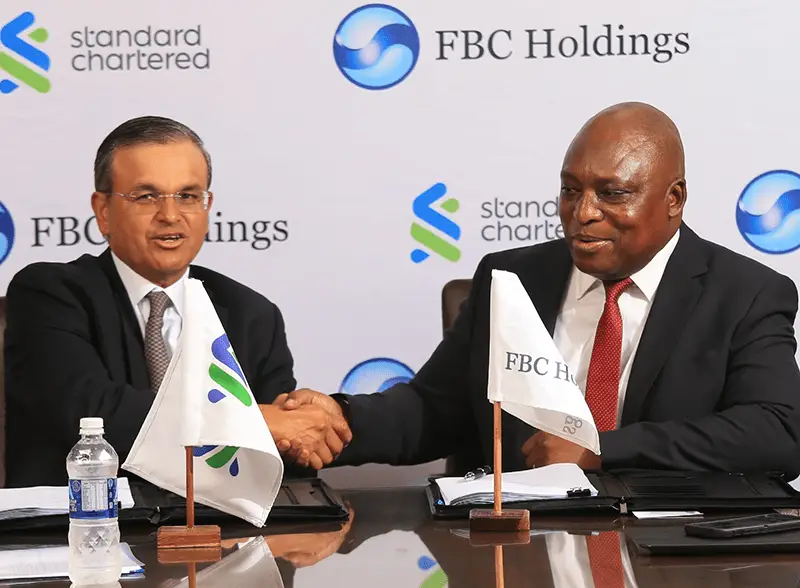
FBC Holdings Limited (FBCH) has finalized an agreement with Standard Chartered Bank to acquire its business in Zimbabwe. However, this transaction remains subject to regulatory approvals, including that of the Reserve Bank of Zimbabwe (RBZ), and marks a strategic move for both entities.
Standard Chartered Bank had previously decided to divest from several markets. These include Lebanon, Angola, Cameroon, Gambia, Sierra Leone, Zimbabwe, and Jordan. Additionally, the bank has planned to exit the Consumer Private and Business Banking (CPBB) business in Côte d’Ivoire and Tanzania. Standard Chartered Bank’s business sale in Jordan came to light earlier in March this year, aligning with the bank’s strategic realignment efforts.
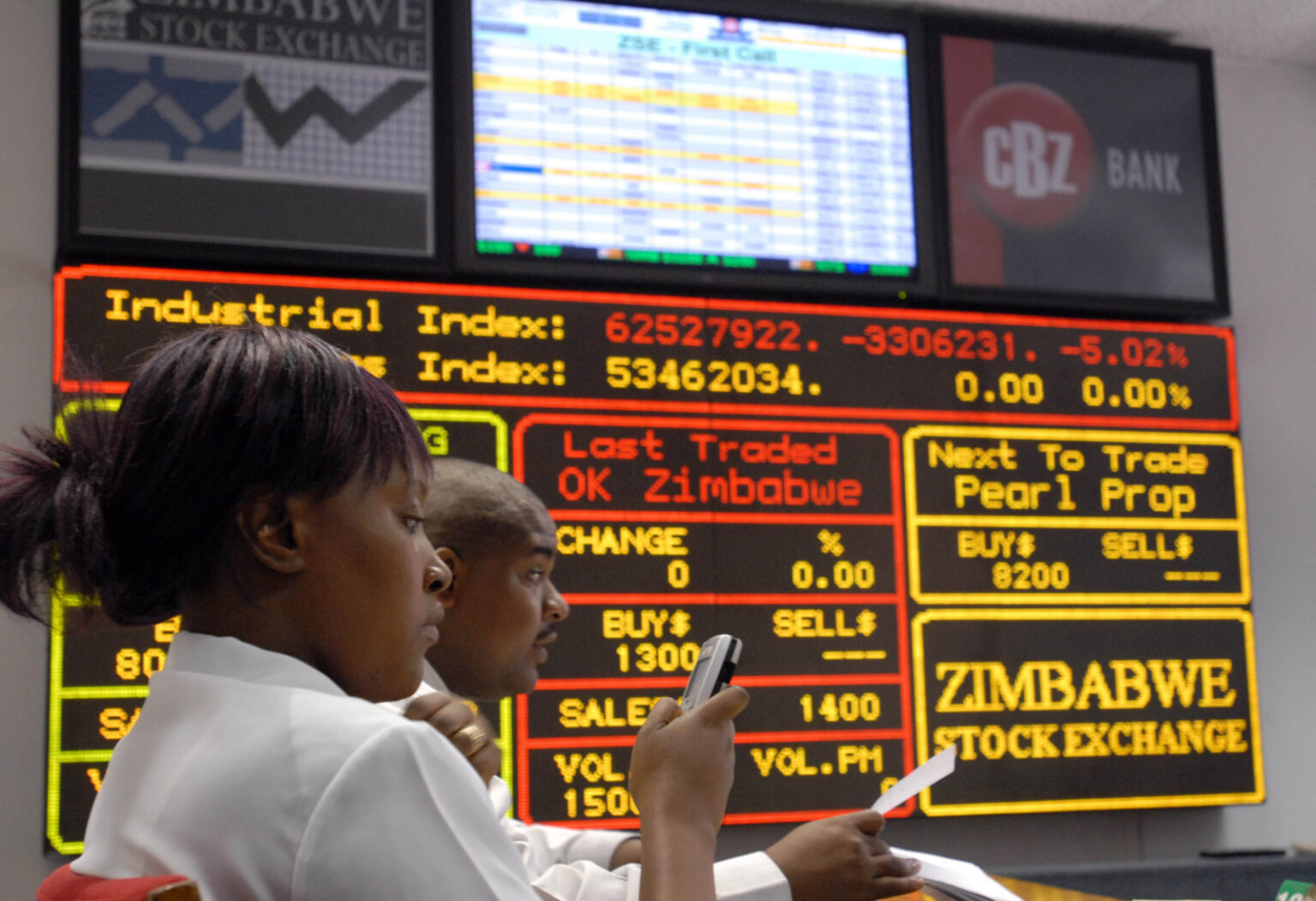
The Zimbabwe Stock Exchange (ZSE) on June 7 announced a halt in trading for two consecutive days. This comes amid investors flocking to the stock market as an escape from the rapid depreciation of the Zimbabwean dollar. The ZSE All Share index surpassed the 10 per cent threshold on the upside. Consequently, the ZSE exchange had to take immediate action.

Zimbabwe has relaxed regulations barring importation of basic commodities to avert shortage of goods ahead of elections. The move not only bolsters the domestic market but also improves Zimbabwe’s exports with SADC and China. In March, South Africa emerged as Harare’s primary source of imports, contributing 37.6 percent of the total. China, Singapore, India, and Zambia followed accounting for 19.2 percent, 16.7 percent, 3.7 percent, and 3 percent respectively. In a strategic move aiming to avert looming drought of essential goods ahead of 23 August 2023 elections, authorities in Harare have rolled out bold steps, relaxing rules that are choking…
Since its entry into Africa in 2016, video streaming giant Netflix has invested a total of $175 million in the continent’s film production, creating over 12,000 jobs. Africa’s film industry accounts for $5 billion of the continent’s GDP and currently employs five million people with the potential to create 20 million jobs In the period, Netflix’s activities in the three countries generated $218 million towards the gross domestic product value, $44 million in tax revenues, and $200 million worth of increased household income. Africa’s film industry has been on a growth path with local content production taking center stage, a…