

Trending
- AI’s Dual Capacity and a Strategic Opportunity for African Peace and Security
- How African economies dealt with the 2025 debt maturity wall
- Africa’s Green Economy Summit 2026 readies pipeline of investment-ready green ventures
- East Africa banks on youth-led innovation to transform food systems sector
- The Washington Accords and Rwanda DRC Peace Deal
- Binance Junior, a crypto savings account targeting children and teens debuts in Africa
- African Union Agenda 2063 and the Conflicts Threatening “The Africa We Want”
- New HIV prevention drug is out — can ravaged African nations afford to miss it?


Author: Padili Mikomangwa
NMB is also listed on the Dar es Salaam Stock Exchange (DSE) and has been tracking rather promising records. According to DSE daily market highlights, NMB’s closing price stood at TShs. 2,340 and the previous closing price was TShs. 2,340.
The bank’s largest shareholders are strategic partners Arise B.V with a 34.9 per cent shareholding and the government of Tanzania with a 31.8 per cent shareholding.
According to NMB, alongside its financial achievement, “the Bank has also received several awards, highlighting the growth trajectory of the institution. In 2020, NMB’s achievements led to internationally acclaimed recognition as the Safest Bank in Tanzania by Global Finance magazine, and being named Best Bank in Tanzania for 8th consecutive time by Euromoney magazine,”
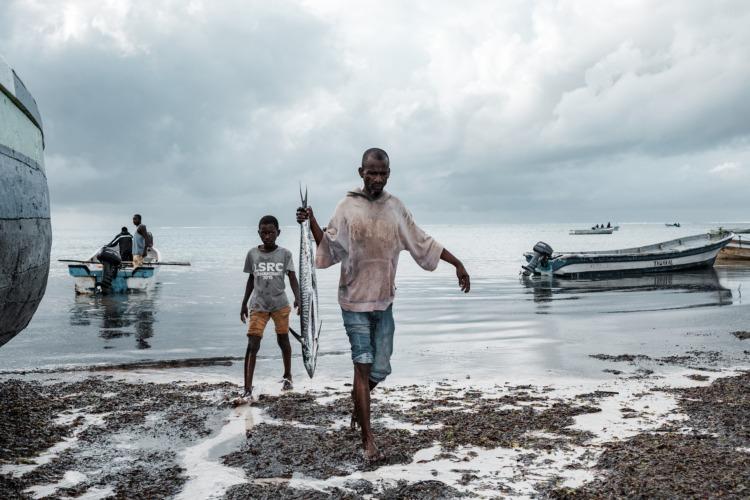
Africa’s blue economy prospects What if Africa could farm its oceans and reap benefits from it? Yes, research findings from African Natural Resources Centre (ANRC) in collaboration with African Development Bank (AfDB), ‘Prospects for developing green aquaculture in Africa 2021’ report brings a whole new depth to aquaculture in Africa. The continent is growing fast, and it could grow more sustainably if it utilizes its most crucial resource, natural wealth. The report highlighted that the aquaculture sector is slowly growing and it shows a strong potential for expansion. The world aquaculture landscape is showing promise. The Food and Agriculture Organisation (FAO) 2020 report showed…
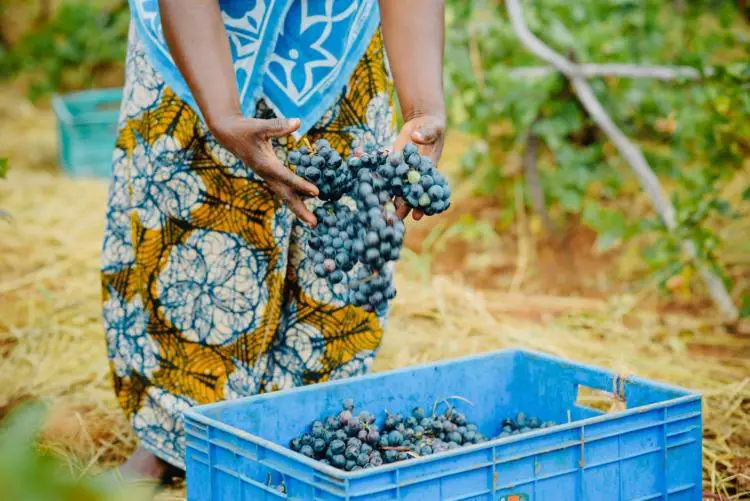
No family wants to be stuck in their home and yet starve due to food security systems being shaken by the COVID-19 pandemic which has taken more than 40 million people’s lives and affected over 200 million worldwide. That scenario could become occurring dangerous reality if food security concerns are not addressed immediately, as reports from multiple food security monitoring groups such as the Alliance for a Green Revolution in Africa (AGRA) suggests that East Africa will “remain a food insecurity hotspot as new COVID-19 variants continue to spread”. The pandemic and its new variants bring more pressure to the fragile food security systems and unstable economies…
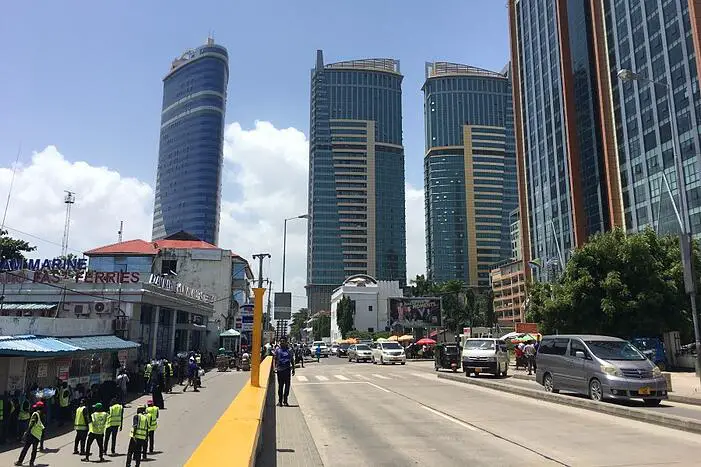
The central bank of Tanzania (BoT) has painted the state of the economy on a different canvas. BoT’s economic bulletin for the quarter ending June 2021 and the monthly economic review for July 2021 indicates Tanzania has been on a very promising trajectory for the past two years, shown by its dedication towards building a resilient industrial economy and self-reliance through steady ownership and control of natural wealth. According to the BoT, in the quarter ending March 2021, the economy grew by 4.9 per cent compared with 5.9 per cent in the corresponding quarter in 2020 and four sectors were noted to have contributed greatly, namely construction, transport, agriculture and storage. Former…
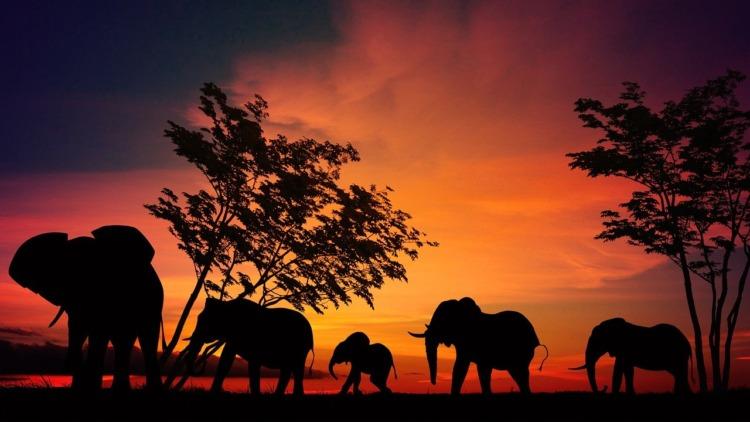
What is Tanzania without the Serengeti? One cannot mention Tanzania’s beauty without alluding to the amazing landscapes of Mikumi or the exhilarating hiking experience of the Kilimanjaro. All these make up the tourism packet—perhaps one of the greatest in Africa— that Tanzania has in its economic arsenal. Tourism is Tanzania’s notable primary foreign exchange earner, which brought in more than $2.4 billion in 2018, an increase of 9.1 per cent that time—from $2.2 billion in 2017 (Tanzania Invest). On the other side, last year forex earnings dropped to a 10-year low during the year ending October 2020, contributed by the travel restrictions as a response towards curbing COVID-19 infections. Tanzania saw only $1.2 billion…
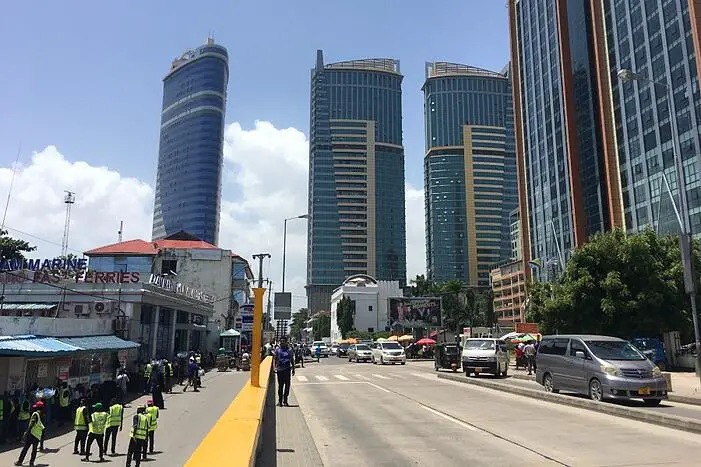
The central bank of Tanzania (BoT) released the monthly economic review report on Wednesday, August 2021. The report brought various in-depth details on the performance of the life-pumping sectors of the economy in Tanzania, including exports, imports, and money supply. Inflation Tanzania has managed to sustain the inflation to a considerate level over the past month; hence in the recent report, the East African country has continued to keep the inflation on a low level and within the benchmarks set forth at national and regional levels. The report argued that this is attributed to sufficient domestic food supply, stable exchange…
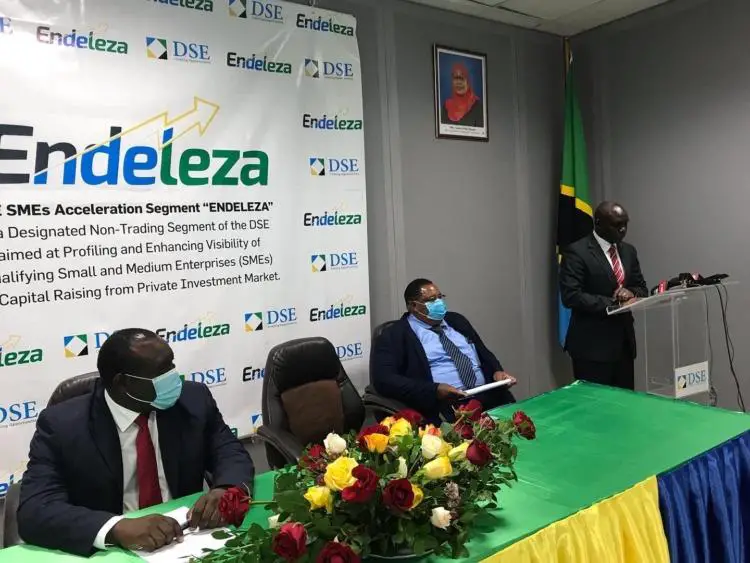
The programme has so far managed to bring on board at least eight companies, such as Selcom Paytech Limited, Techno Image Ltd, AKM Glitters Company, financial institutions such as FINCA Microfinance, Victoria Finance PLC, AML Finance and Reni International Company Limited.
Endeleza which is also a Swahili literal term for “prolong” has been fitted with an ultimate objective which is qualifying SMEs with access to potential private capital from investors and financiers and other actors across the line such as angel investors, venture capital funds, private equity funds, banks and other financial institutions.
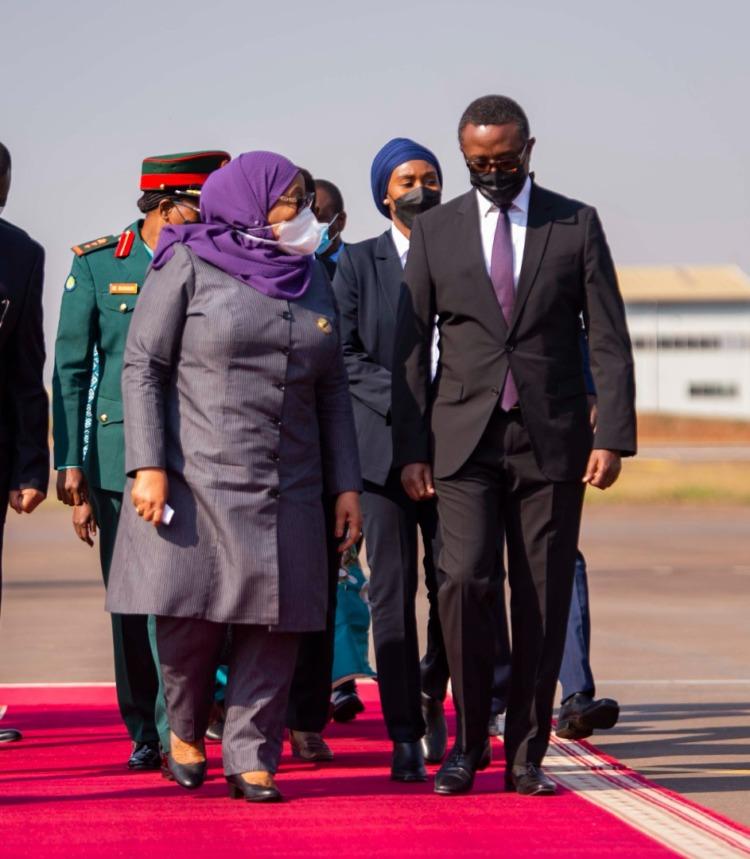
As the two countries keep pressing different economic plans, the visit ushers in crucial business opportunities as the business community listed seven priorities, they “would focus on in bilateral talks between Tanzania and Rwanda that could boost the intra-trade between the two” according to information from The Citizen.
The key issues to be dealt with from the start from stabilizing economic relations: clearing out the Non-Tariff Barriers (NTBs), and payment of unpaid transactions that Rwandan importers owe clearing and forwarding agents and transporters in Tanzania, according to The Citizen.

Economies perform better when their fate is secured, in other words—sustainable growth performs better under the crucial reassurance of insurance. In this era of cutting-edge technology, insurance is a common necessity to possess, hence—the presence of mitigating losses, gaining financial stability, and promoting trade and commerce operations—as catered to by insurance, are the core building blocks of present-day economic success. Taking the youngest continent on the planet—Africa, into account—the simple concept of insurance stands to be an important pillar towards developing reliable development initiatives. According to Mckinsey, Africa’s insurance industry is valued at around $68 billion in terms of gross written…
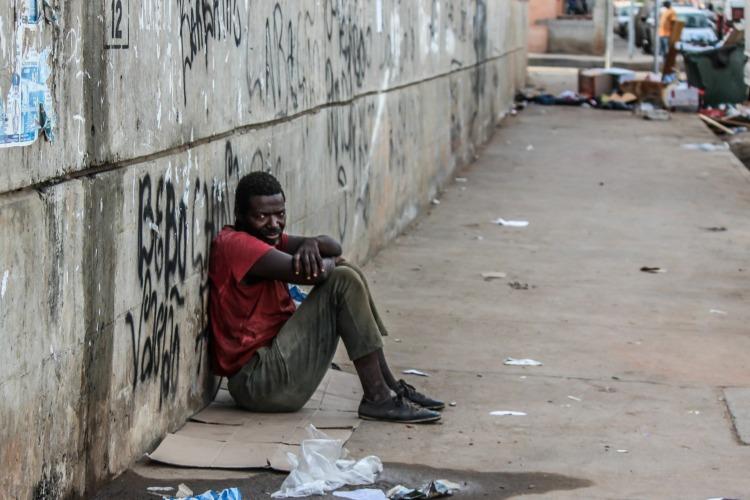
If the world is unfair was a fact, then this statement would establish the truth without a doubt as, “there are more than twenty-one hundred billionaires across the world who own more than half of the world’s wealth” — Oxfam. As the number of billionaires doubles over the last decade, Oxfam argues that the richest one per cent have piled up wealth twice as much as the world population. At this moment in history, inequality has worsened. World Economic Forum (WEF) pins socio-economic inequality to be more than unequal distribution of income, but views it from a large lens, arguing, “it is critical to take into consideration multidimensional factors such…