


Trending
- AI’s Dual Capacity and a Strategic Opportunity for African Peace and Security
- How African economies dealt with the 2025 debt maturity wall
- Africa’s Green Economy Summit 2026 readies pipeline of investment-ready green ventures
- East Africa banks on youth-led innovation to transform food systems sector
- The Washington Accords and Rwanda DRC Peace Deal
- Binance Junior, a crypto savings account targeting children and teens debuts in Africa
- African Union Agenda 2063 and the Conflicts Threatening “The Africa We Want”
- New HIV prevention drug is out — can ravaged African nations afford to miss it?


Author: Padili Mikomangwa
Last week we saw negative oil prices hurt energy markets enormously, and we have the global pandemic—coronavirus (COVID-19) to blame for that, as nearly the entire globe is on lockdown, that sucks the life out of energy-consuming spheres. Reports indicate mixed feelings as Bloomberg noted that, oil prices could go down again, as storage shortage becomes another nagging factor to the problem, and yet—we have seen people paying to get rid of their stock. “The last trade of the May WTI futures was on April 21, and on April 20, as financial traders with long positions scrambled to get out…

The world recorded another day in history —April 20, as the day oil prices globally took a negative dive, dropping below zero for the first time. International players in the hydrocarbon game have not shaken, as traders and nations pursued storage space and determining ways to drive demand scarcity. According to reports from Bloomberg News, the oil price rise was manifested by both, pandemic fears and the price war between Saudi Arabia, Russia and the US, which affected the energy markets and traders. As the pandemic escalates, the umbrellas of lockdowns have annihilated significant demand for oil, and other economic…
The second-largest economy in the continent—South Africa, is racing to beat the coronavirus global pandemic, as on Tuesday the South African President Cyril Ramaphosa announced a $ 25.3 billion rescue package to cushion the most industrialized nation in the region from the consequences of the pandemic, according to information from Reuters. As the nation swims in its second recession in two years, the coronavirus (COVID-19) has caused the nation’s economic activities to stop due to mandatory lockdowns to curb the spread of the virus. South Africa, which has over 3,400 confirmed cases and 58 deaths, will experience a rather bitter…
The novel Coronavirus (COVID-19) battle in Tanzania stands to get French government’s funding, as the East African nation awaits to receive part of the $1.3 billion (1.2 euros) provided by the G20 member for Africans to wipe off the pandemic. Tanzania which is currently battling with more than 250 confirmed cases of the virus, will receive an amount that has not yet been established, according to information from The Citizen. The French government—which is also one of Tanzania’s development partner, has already initiated discussions with the health ministry to fish out key areas to allocate the support, France ambassador to…
Kenya’s Safaricom M-Pesa —one of Africa’s and East Africa’s largest mobile money service, could be affected by the coronavirus pandemic (COVID-19), as the service provider anticipates its revenue to be hit to almost $51.64 million in the three months from mid-march after it adjusted prices because of the COVID-19 crisis, according to information from Reuters According to Reuters, the lost revenue which is almost 7.3 per cent of the mobile money service provider annual revenue, will be caused by the removal of all charges on small peer-to-peer transfers to facilitate cashless payments to help to contain the coronavirus pandemic, which…
The novel coronavirus (COVID-19) is still affecting more people in Tanzania, as today April 20, the number of people who have tested positive for the virus rose to 254 and 10 deaths, according to the Tanzanian Ministry of Health statement. The East African nation has seen a rise in the number of cases from April 18 to April 20 hitting 84. Hence, the statement noted that out of 84 patients 16 were confirmed by the health ministry of Zanzibar (a semi-autonomous region of Tanzania). The statement showed how the virus has spread across 17 regions, and perhaps it could be…
The coronavirus (COVID-19) pandemic has taken a toll on the education landscape in Tanzania, as private schools stand to lose around 20 per cent of their annual revenues due to the virus outbreak. According to information from The Citizen, the current landscape of the COVID-19 pandemic in Tanzania has triggered the private school owners to give a call to the government for an intervention, as a financial storm looms over their investments. In March, Tanzania executed a nation-wide school shut down for 30 days and the nation’s prime minister Kassim Majaliwa announced on 14 April an extension of the shutdown…
Africa, the world’s second-fastest-growing region might drive a third of 440 it’s formal and informal workers in unemployment, as the region rolls in lockdowns that sweep away people’s means to earn their income, according to McKinsey. As the virus threats keep on taking new shapes, Mckinsey Finding Africa’s Path report entails that report, between 9 million and 18 million of Africa’s 140 human capital informal sector could lose their jobs. The report also noted that a further 30 million to 35 million could see a reduction in wages and working hours, as one hundred million of the 300 million informal…
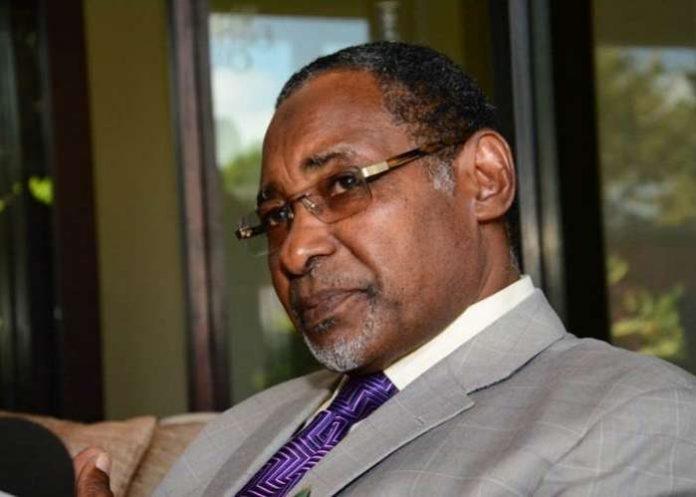
On Wednesday, April 15, Zanzibar, the semi-autonomous region of Tanzania well known for its exotic beaches recorded its first coronavirus (COVID-19) death, and in the same time, more people infected by the novel virus increase to 18 as 6 more people test positive for COVID-19. According to the island’s health minister Hamad Rashid Mohammed, the deceased patient was a 63-year-old male, who passed away on Saturday at his home and was buried on the same day. Further, the minister noted that the six new cases included five men and a woman aged between 33 and 63 are all from Zanzibar…
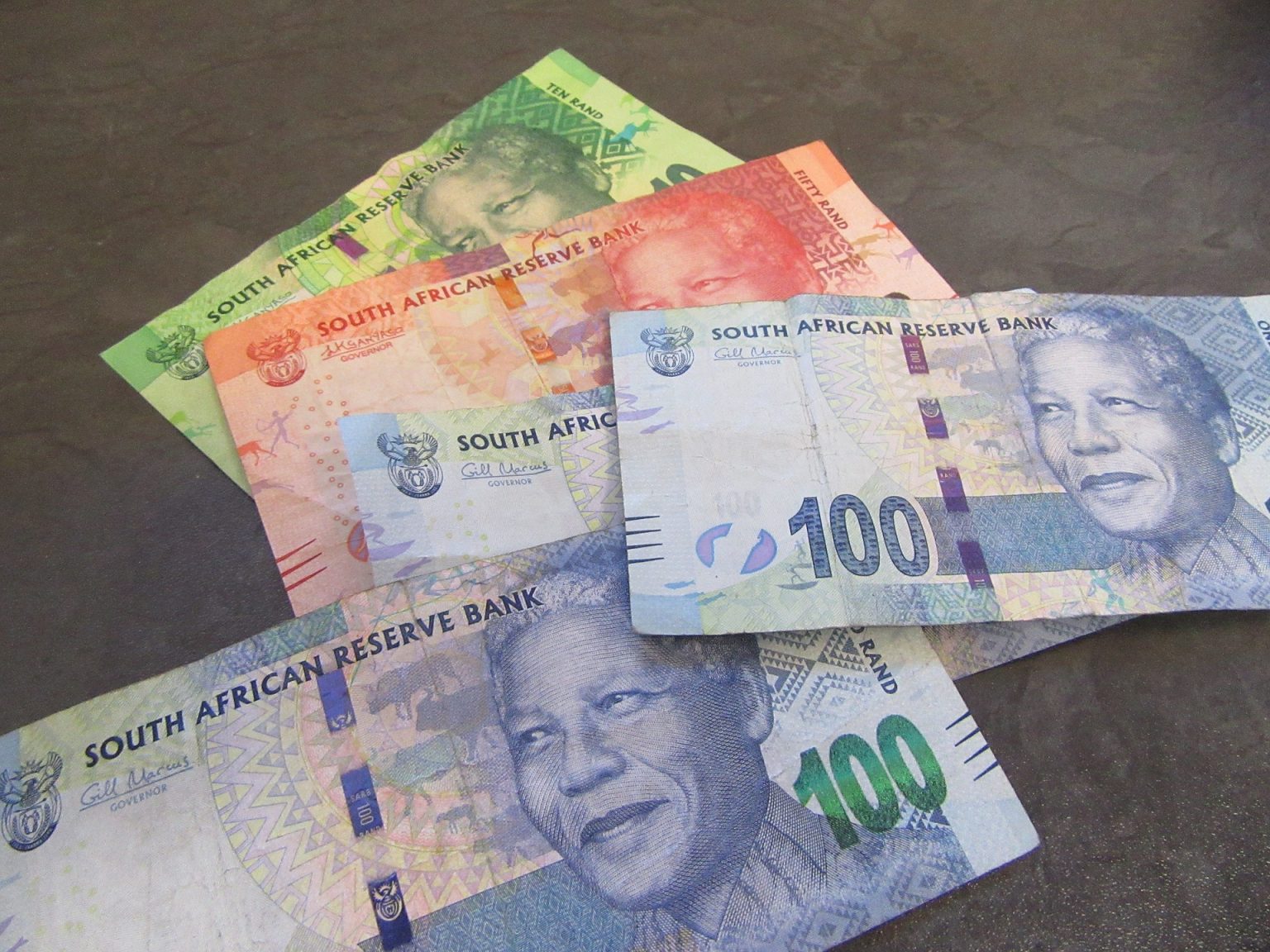
South Africa, Africa’s second-largest economy could be in deep trouble, as the nation’s currency—rand eased against the dollar early on Wednesday, whereby the currency kept on sustaining losses a day after the central bank surprisingly cut lending rates, according to information from Reuters. The nation’s finance minister Tito Mboweni also gave a warning on the possible trail towards a deep recession this year. In a different occasion, the finance minister highlighted that a recession could hit due to the global coronavirus (COVID-19) pandemic, that has put the world economy at risk. However, South Africa’s diversified economy was already in recession…