Trending
- Africa’s Green Economy Summit 2026 readies pipeline of investment-ready green ventures
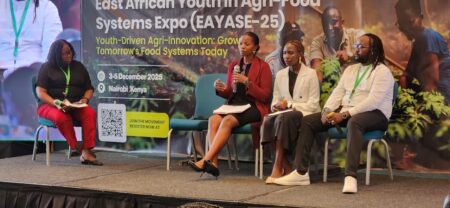
- East Africa banks on youth-led innovation to transform food systems sector
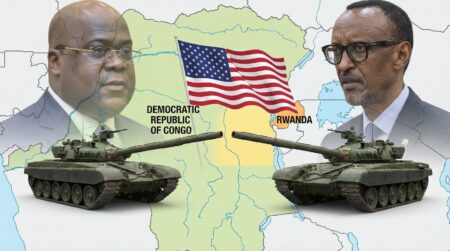
- The Washington Accords and Rwanda DRC Peace Deal
- Binance Junior, a crypto savings account targeting children and teens debuts in Africa
- African Union Agenda 2063 and the Conflicts Threatening “The Africa We Want”
- New HIV prevention drug is out — can ravaged African nations afford to miss it?
- From banking to supply chains, here’s how blockchain is powering lives across Africa
- Modern railways system sparks fresh drive in Tanzania’s economic ambitions


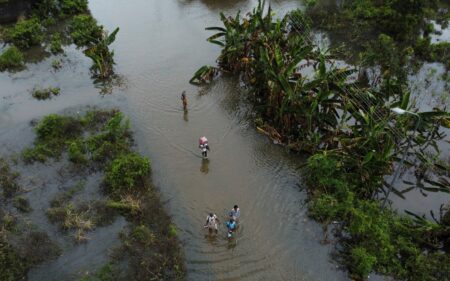
Climate Change-related flooding saw large swathes of farmlands and settlement areas in Nigeria’s coastal Niger Delta flooded by December 2022. Boko Haram terrorists, bandits,…
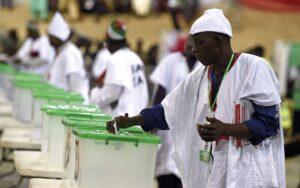
At the beginning of February, Nigerians started complaining that commercial…
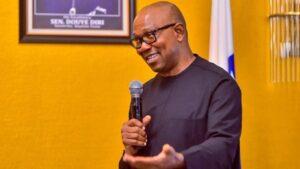
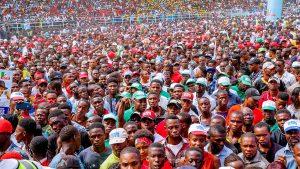
Some have wondered whether Obi will manage to upset the status quo that has defined Nigerian politics since 1999. However, great support for Obi has been borne of the young generation’s apparent frustration with Nigeria’s political class.
More specific, many people view the presidential candidates from the two major political parties, APC and PDP, as representatives of status quo politics that have left Nigeria on the brink of economic shutdown.
In the run-up to Nigeria’s presidential elections in 2023, the electorate confronts the challenges of soaring inflation, a plummeting currency, and prevalent insecurity. Crude oil, Nigeria’s economic backbone, has seen its production slump to multi-decade lows. Moreover, the government has seen its debt service exceed the earned revenue in the first quarter of 2022.
It is now possible to store, buy, exchange and resell Nigerian naira for bitcoin and…
President Buhari of Nigeria is keen to complete critical infrastructure projects as elections approach next year.
One of these projects is the Lagos light rail train project, which has gathered dust for decades. The project is back in motion, with the state government optimistic that the first phase of the Blue Line – one of the two lines to form the Lagos Rail Mass Transit (LRMT) system – will be operational this year.
Power infrastructure is a crucial area of interest. The country is rushing on the six-year multi-billion-dollar pact with German company Siemens to expand and revamp the dysfunctional national grid to unlock at least 25,000 megawatts (MW) of electricity by 2025.
On the renewable energy side, the government is working on the 3,050 MW Mambilla Hydropower Project in Taraba, which has dragged on for over 40 years despite significant budgetary allocations.
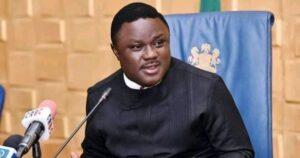
Cross River State has invited investors into various sectors of its economy, as part of…
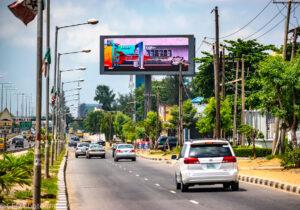
The former Federal Inland Revenue Service (FIRS) chairman, Babatunde Fowler, announced Nigeria’s decision to tax digital transactions in 2019. The new legislation dubbed The Finance Act (2021) was signed on December 31, 2021.
A section on Nigeria’s Finance Act focuses on capturing value from non-resident technology companies and calls them to act as VAT collectors for digital goods and services traded within Nigeria. The minister for finance, budget and national planning, Zainab Ahmed, said during the presentation of the 2022 budget that the taxable digital platforms include apps, high-frequency trading, electronic data storage, online advertising, and several others.
In addition, Meta had already issued a notice on December 9, 2021, before releasing the new financial regulation, saying that Meta ads in Nigeria would be subject to a value-added tax (VAT) at the applicable local tax rate. The VAT applies to advertisers whose “Sold to” country on their business or personal address is set to Nigeria. Meta has 26.10 million users in Nigeria in early 2022, equivalent to 12.2 per cent of the population in Nigeria.
The evolution has allured intensive participation in the lending sector, stimulating the growth of the…
Recently, many Nigerians trading on the Binance platform complained about initiating or completing transactions.
Some of the affected persons have taken to social media calling out crypto for “targeting Africans, especially Nigerians”, as their accounts have been suspended for reasons oblivious to them.
Some users say that they have been told to contact the Federal Bureau of Investigation (FBI) and New York Police Department to resolve transactions issues, a situation they claim to be absurd.